

Sports tourism is generally divided into several main categories, each with its own characteristics and objectives:
- Active Sports Tourism:
In this type of tourism, sport is the primary reason for travel. The destination is chosen specifically for the opportunity to engage in a particular sporting activity—such as visiting ski resorts, cycling routes, surfing beaches, paragliding sites, diving locations, boating areas, yoga and meditation retreats, or mountaineering tours. The key feature of active sports tourism is direct participation rather than spectating. - Event Sports Tourism:
This type of tourism refers to trips in which the main purpose is to watch major sports competitions or events. Travelers visit destinations that host large-scale national or international sporting events. These may include world championships, the Olympic Games, the FIFA World Cup, Formula 1 races, Grand Slam tennis tournaments, Diamond League golf events, and other prestigious sports competitions. - Adventure Tourism:
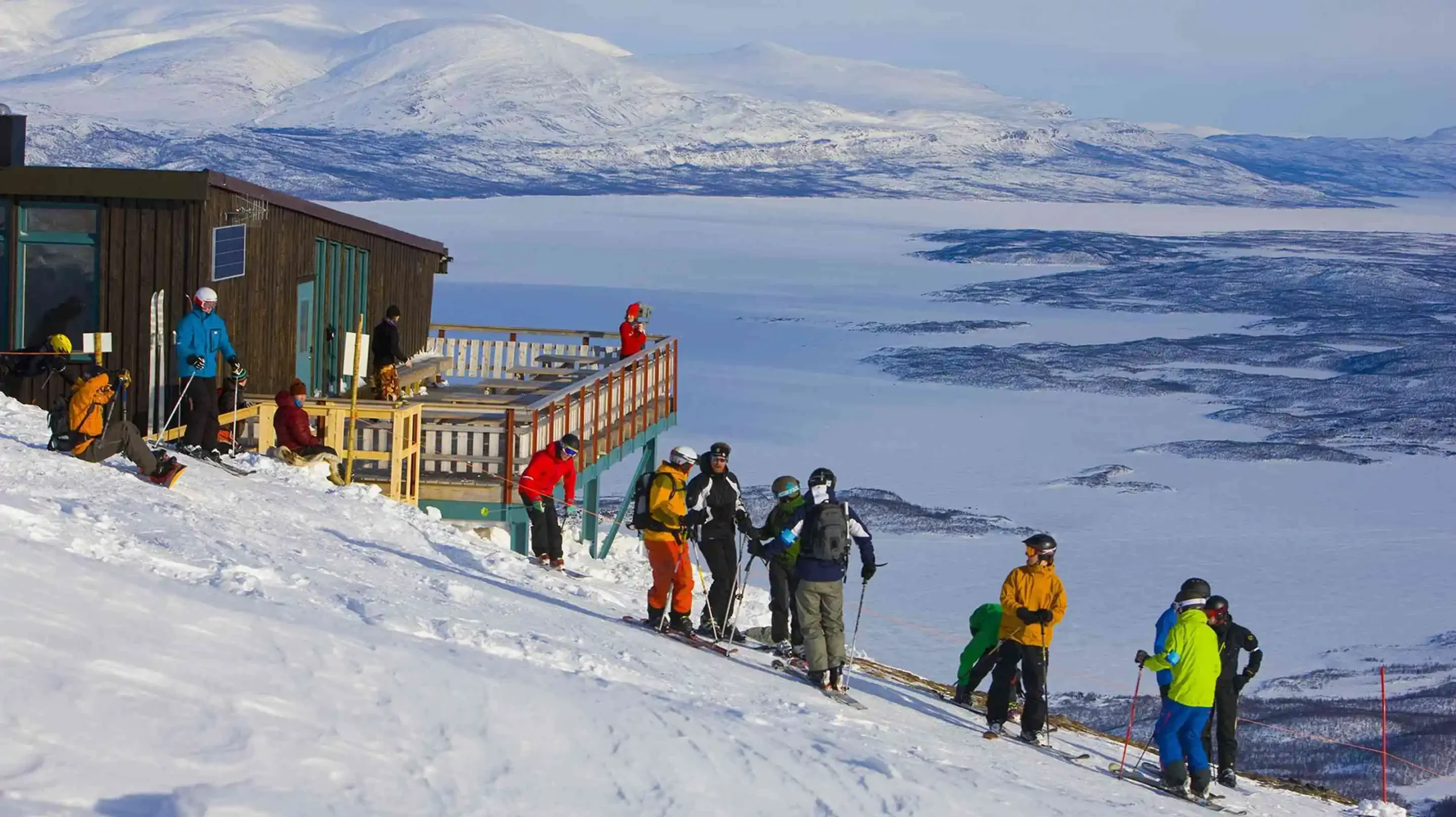
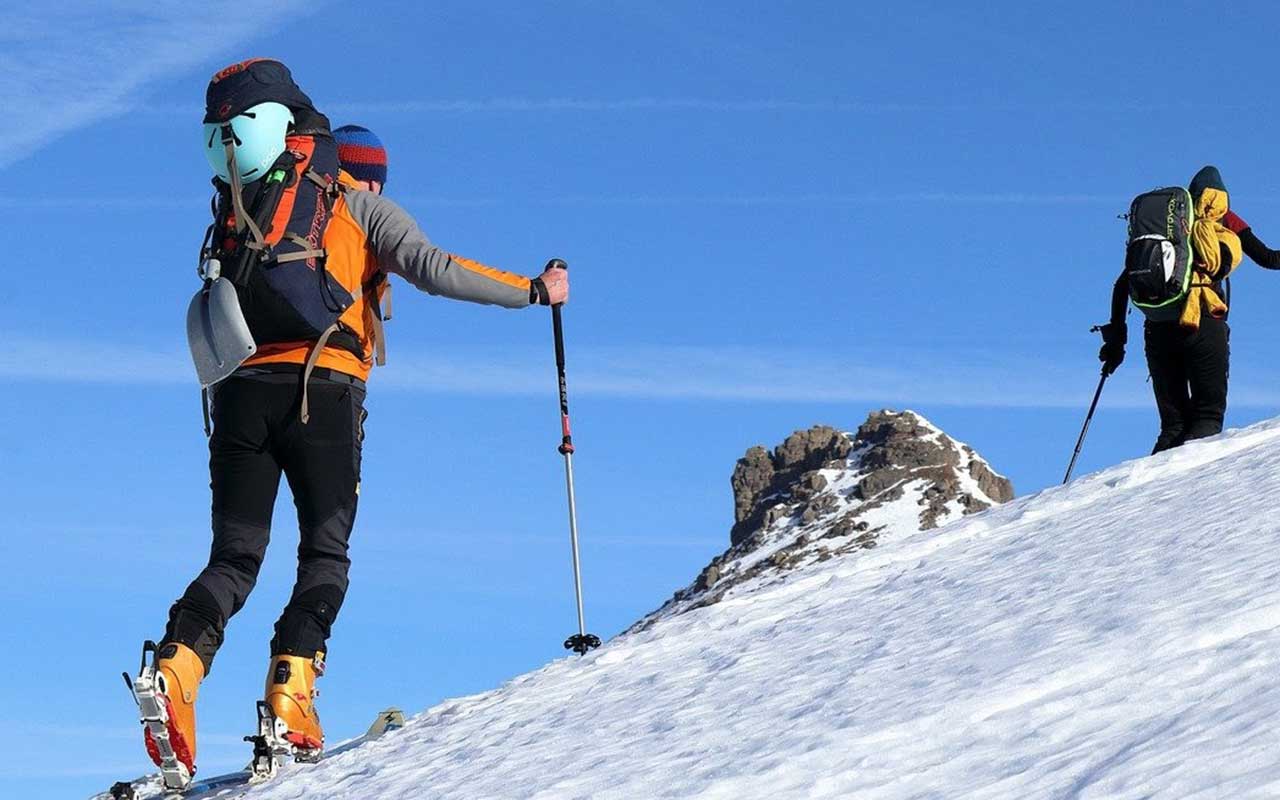
Adventure tourism includes trips that involve exciting and challenging sports activities carried out in nature or unique environments. Activities such as mountaineering, rock climbing, skiing in snowy regions, diving, paragliding, white-water rafting, and mountain biking are typical examples of this type of tourism. - Sports Wellness Tourism:
Sports wellness tourism refers to travel undertaken to improve health, fitness, and overall well-being. Destinations associated with this form of tourism offer specialized sports and therapeutic services, including fitness programs, athletic recovery, medical care, and performance enhancement treatments.
History of Sports Tourism
Sports tourism, as a modern phenomenon, has a complex history rooted in ancient times and shaped by various social, economic, and cultural developments. This form of tourism gradually emerged and expanded in the late nineteenth and early twentieth centuries. In its early stages, sports tourism was largely limited to the upper classes, who traveled to specific destinations to participate in exclusive sporting events or leisure activities.
- Early Stages (19th Century):
In the nineteenth century, sports tourism did not exist in its modern form. However, certain sports such as horse riding, tennis, and golf were popular among affluent social classes in European countries. During this period, sporting competitions and activities were still considered exclusive events, confined to specific regions and limited audiences. - Expansion in the 20th Century:
Over time—particularly in the twentieth century—sports became increasingly accessible to the general public. After World War II, with rising social welfare and the emergence of the middle class, travel related to sports and sporting events grew significantly in popularity. Notably, following the 1960 Olympic Games in Rome, international sporting events evolved into a global tourism phenomenon. - The 21st Century and Global Growth:
In the twenty-first century, sports tourism has been recognized as a major component of the global tourism industry. With the rise of large-scale sporting events such as Formula 1 races, various professional sports leagues, and the growing participation in adventure sports, sports tourism has become an important economic sector in many countries. Moreover, it has continued to diversify, encompassing a wide range of activities, including adventure sports and sports wellness tourism.
Ultimately, the history of sports tourism shows how this sector has evolved from a niche and limited activity into a global, dynamic industry that continues to grow steadily.
 Reading suggestion: Sustainable Tourism
Importance of Sports Tourism
As a global and growing industry, sports tourism holds significant importance in various areas. This type of tourism can have direct and indirect positive effects on tourism destinations and countries. Its importance can be examined from several perspectives:
- Economic Development: Sports tourism directly contributes to national and local revenue growth. It creates job opportunities in areas such as hospitality, restaurants, recreational and sports centers, transportation, and services related to sporting events.
- Strengthening International Relations: Global sporting events like the Olympics, the FIFA World Cup, and other competitions provide opportunities to strengthen relations between different countries. These events widely foster cultural and social interactions among nations.
- Promotion of Sports and Healthy Living Culture: Sports tourism raises public awareness about the importance of sports and a healthy lifestyle. It gives people the opportunity to actively enjoy various sports and place more emphasis on their fitness.
- Boosting Sustainable Tourism: Sports tourism can contribute to environmental preservation and sustainable development, especially when sports activities and events are held to protect nature and natural resources.
- Promoting National Image: Hosting major sports events can be a great opportunity to enhance a country’s image internationally. These events attract media attention and foreign tourists, providing an opportunity to showcase the country’s tourism attractions, culture, and lifestyle. Moreover, hosting such events can help attract foreign investment and strengthen economic and cultural ties with other countries.
- Attracting Investors: Sports tourism can particularly lead to attracting investments in various sectors. These investments can contribute to infrastructure development, service improvement, enhancing the quality of life in local communities, and increasing sustainable values for tourism.
Audience of Sports Tourism
The audience for sports tourism generally includes people of all ages and professions who have a particular interest in sports and sporting activities. These groups include:
- Professional and Amateur Athletes: Individuals who travel to specific destinations to participate in sporting competitions. These can include professional athletes in various fields or even amateur athletes.
- Sports Spectators: Individuals who travel to tourism destinations to watch sporting events. These people might travel to other countries to witness major competitions like the Olympics or the FIFA World Cup.
- Sports Activity Enthusiasts: People seeking to experience specific sports and activities at tourism destinations. This group may include individuals interested in activities like mountaineering, cycling, or swimming.
- Cultural Sports Tourists: Individuals who travel to explore the different sports cultures and lifestyles. These people may be interested in visiting historic sports venues or sports museums.
Sports Tourism Destinations In Iran and the world
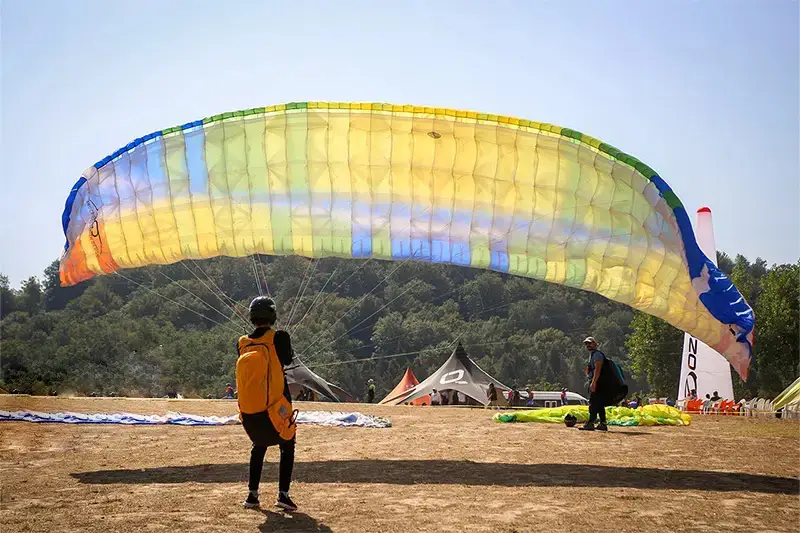
Sports tourism is one of the most popular branches of the tourism industry, attracting millions of tourists annually to various destinations around the world. These destinations are known for their excellent sports facilities, hosting global events, and unique natural landscapes. From beautiful beaches for water sports to mountains and ski slopes for winter sports enthusiasts, each destination has its own distinct features, making it attractive for sports and adventure lovers. Some of the major sports tourism destinations are:
-
Kish, Iran
Kish Island, with its diverse water sports facilities, is one of the most popular sports tourism destinations in Iran. The island is famous for its beautiful beaches and hosts many water sports tours, including scuba diving, jet skiing, sailing, paragliding, and beach sports such as beach volleyball and beach tennis. Tourists can enjoy the island’s natural beauty and recreational facilities while participating in these sports. Kish, with its ideal climate and high-end amenities, is an ideal destination for sports tourism in Iran.
Kish Marathon Event
The Kish Marathon is one of the largest and most well-known sports events in Iran, held annually on the beautiful Kish Island. This event is specifically designed for running and endurance sports enthusiasts and has become one of the most exciting and prestigious races in Iran, attracting participants from both within and outside the country. Due to Kish Island’s special geographic conditions, with its mild weather and beautiful beaches, the marathon also has a tourism aspect. Participants not only compete in the marathon but also enjoy the island’s natural beauty, including its azure beaches, coral reefs, and historical sites. This event is recognized as a unique opportunity for sports tourism and endurance sports enthusiasts, significantly boosting sports tourism in Iran.
-
Mazandaran, Iran
Mazandaran, with its beautiful forests and coastal regions, is a key destination for nature sports enthusiasts. The province, with its unique vegetation and long beaches, provides an excellent setting for hiking, cycling, beach sports, and even walking. The northern mountains of Iran, especially areas like Dasht-e Naz and the Alborz Mountains, are ideal for both professional and amateur mountaineers. The Caspian Sea beaches offer great opportunities for water sports enthusiasts. Sports tours in this region include hiking programs, nature walks, mountain biking on mountainous paths, and water sports on the shores.
-
Qeshm, Iran
Qeshm, an island in the Persian Gulf, has become a major sports tourism destination due to its beautiful beaches. The island is particularly famous for water sports such as scuba diving, sailing, jet skiing, and surfing. The Qeshm Geopark, a UNESCO World Heritage site, is also a great spot for mountaineering and nature walks.
-
Dubai, UAE
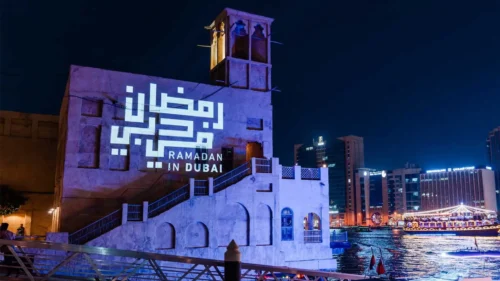
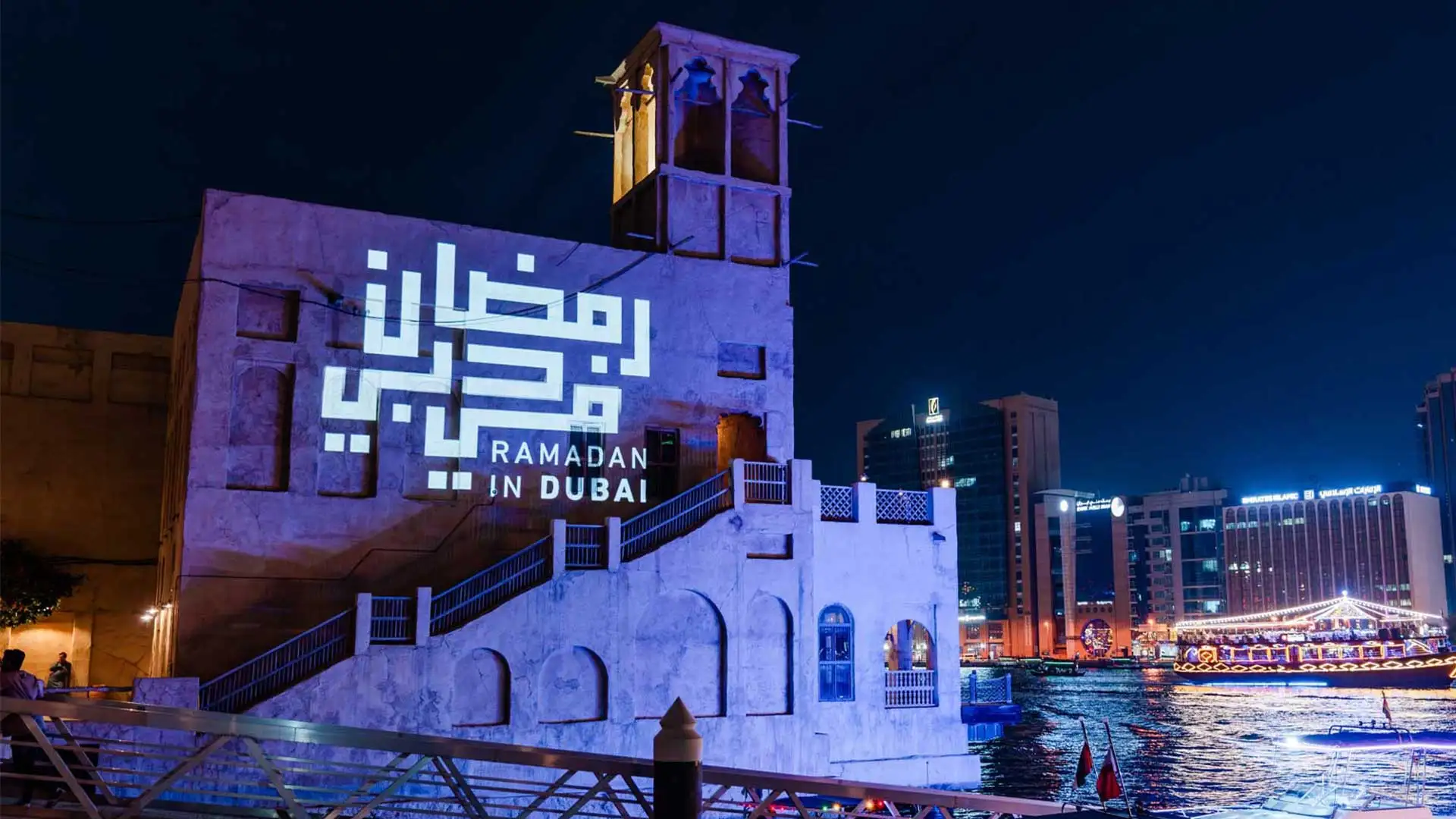
Dubai, one of the most advanced cities in the world, is recognized as a popular sports tourism destination with extensive sports and recreational facilities for athletes and sports tourists. The city offers all types of sports, including skiing at the Mall of the Emirates’ indoor ski slope, various sports centers, and water sports such as sailing and jet skiing. In addition, Dubai hosts international sports events like the Dubai Tour, golf tournaments, and football competitions, making it an ideal destination for sports tourists.
-
Bali, Indonesia
Bali is widely recognized as a global destination for yoga, meditation, and wellness. The island, with its natural landscapes such as serene beaches, lush forests, and volcanic mountains, offers a perfect environment for relaxation and recovery. Many resorts and yoga centers in Bali offer yoga and meditation programs, providing tourists with deep relaxation and spiritual rejuvenation experiences. Furthermore, Bali is a popular destination for adventure and water sports. Water sports like scuba diving, surfing, and sailing are common on Bali’s beaches. For those seeking a combination of wellness, yoga, and water sports, Bali is an ideal destination. Thus, Bali is a unique place to blend tranquility and wellness with sports activities, making it one of the leading wellness and sports tourism destinations globally.
-
Switzerland
Switzerland, known as the center of winter sports in the world, is an unparalleled destination for mountain and winter sports enthusiasts. With its world-class ski slopes, mountain biking, and hiking trails, Switzerland is a popular sports tourism destination. Additionally, Switzerland offers stunning natural views and the Alps, providing an exceptional experience for those interested in recreational sports. Skiing, snowboarding, mountaineering, and cycling are popular in Switzerland, and the country annually hosts thousands of sports tourists from around the world.
-
California, USA
California, with its beautiful beaches and trails for cycling and hiking, is one of the best destinations for recreational sports. The state, with its vast beaches and temperate climate, is a great place for water sports like surfing. Additionally, hiking trails in Yosemite National Park and the Sierra Nevada mountains are other attractions for sports enthusiasts. California is also known for hosting large sports events like cycling races, marathons, and golf tournaments.
 Reading suggestion: health-tourism
The Future of Sports Tourism
The future of sports tourism looks very bright and promising, especially with the ongoing social, technological, and economic changes. One of the main reasons for this growth is the increasing public attention to health and wellness. Today, many individuals are seeking ways to improve their physical and mental health, and engaging in sports activities is one of the best ways to achieve this goal. As a result, the number of people traveling to various destinations for sports activities or to watch sporting events is increasing significantly.
Considering these changes, it is predicted that sports tourism will become one of the most important and thriving industries globally. Particularly with the growth of cities and increasing access to new sports destinations, the desire to participate in this type of tourism is growing day by day. Additionally, the development of amenities and infrastructure in many countries has attracted more tourists to these types of trips.
The development of technology and digital media will also play a big role in the future of sports tourism. Thanks to advancements in digital media and online platforms, sporting events can now be watched live over the internet, and some sports experiences can even be experienced online. For instance, many sports competitions around the world are now available for online viewing through digital platforms.
-
Key Developments in the Future of Sports Tourism
One of the most important developments in the future of sports tourism is the use of Virtual Reality (VR). VR allows tourists to experience a similar event or sport without being physically present at the specific location. These digital experiences may become increasingly popular in the future, especially for those who are unable to travel to sports destinations for various reasons. For example, a person who cannot attend a football match in a stadium could feel as if they are in the middle of the stadium through VR headsets.
Furthermore, advancements in digital sports facilities, such as mobile apps for tracking health and fitness, as well as online platforms for booking tickets, organizing sports trips, and even participating in virtual sporting events, will further drive the growth of this industry. Increased investment in sports events and the development of digital infrastructure mean that sports tourism will soon be able to attract more tourists and become one of the largest and most lucrative industries globally. This trend will make sports tourism a significant sector in the global economy and a tool for promoting the health and wellness of people.
Sports Tourism and Sustainable Development
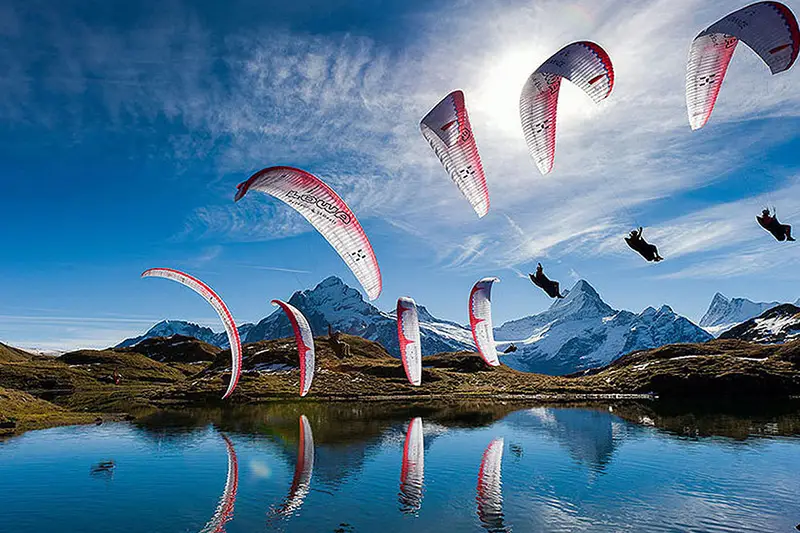
Sports tourism, as one of the key tools for sustainable development, can play a significant role in promoting economic growth, protecting the environment, and ensuring the optimal use of natural resources. The concept of sustainable development involves utilizing existing resources in a way that does not harm future generations, and this idea can be fully applied within sports tourism.
In many sports tourism destinations, efforts are made to design sports activities in such a way that they have the least negative impact on the environment. For example, activities like hiking, mountain biking, and water sports are often ecologically designed to prevent the destruction of natural resources. In this type of tourism, educating tourists on how to protect the environment is of utmost importance. Many sports destinations offer educational programs for tourists, focusing on protecting native animals, preserving vegetation, and preventing pollution of water sources.
Additionally, major sporting events such as the Olympics and the FIFA World Cup have paid significant attention to the environmental impacts of these events. Many of these events are designed to utilize renewable energy and use recycled materials in the construction of facilities. These actions help sports tourism become an effective tool for environmental conservation.
-
Impact of Sustainable Sports Tourism
Sustainable sports tourism not only helps preserve natural resources but also contributes to strengthening sustainable infrastructure. This infrastructure can include public transportation, waste management, the use of renewable energy sources, and the development of health and welfare facilities with minimal environmental impact. Many sports tourism destinations that prioritize sustainable development have made substantial investments in these infrastructures, allowing them to welcome tourists while also protecting their environment. These efforts not only help preserve and improve environmental conditions but also ensure that sports tourism is recognized as a sustainable business model on a global scale.
Conclusion
Sports tourism, as one of the emerging and rapidly growing sectors of the tourism industry, offers a unique opportunity for sports enthusiasts to combine their passion for activities with travel. This type of tourism allows participants in sporting events, both professional and amateur athletes, to enjoy sports experiences while also giving tourists the chance to enjoy the cultural and natural attractions of various destinations.
Given the social, economic, and technological advancements, sports tourism has a positive impact on various areas such as the economy, culture, and the environment. It helps strengthen the economy of countries by increasing national revenue, creating job opportunities, and attracting investments. Additionally, sports tourism raises public awareness of the importance of sports and healthy lifestyles, strengthens cultural and social relationships, and promotes sustainable tourism.
On the other hand, the future of sports tourism looks promising due to changes in social attitudes and technological advances, such as virtual reality and digital media. With the growing number of sports enthusiasts, this industry, with further progress in infrastructure and facilities, will become a key sector in the global economy and sports culture.
Ultimately, sports tourism, as a unique opportunity for various countries, can play an important role in sustainable development by striking a balance between protecting natural resources and attracting tourists. It will be recognized as a successful and scalable model for sustainable tourism on a global scale.