





An international license plate is essential for owners who intend to leave Iran’s borders with their personal vehicle. This plate is issued by the Touring and Automobile Club and enables legal circulation in countries that are members of international conventions. In this guide, we provide a comprehensive review of the application process, including the required documents, conditions, and costs, to help you complete the steps without confusion.

An international vehicle license plate is a temporary identifier that replaces the Iranian national license plate when traveling outside the country. The design of this plate complies with international standards and is usable in destination countries. When crossing the border, vehicle owners are required to install these plates because the national license plate cannot be decoded or registered by the police systems of other countries.
This plate is issued together with the “International Vehicle Card” and is valid only if the vehicle has international insurance (Blue Card). Holders can travel in countries that are members of traffic conventions without the need for new registration or undergoing complex procedures. The international license plate is usually issued for 1 year and must be renewed upon expiration.
Additionally, the conditions of use vary by country; some countries impose time limits on circulation, while others require the vehicle’s entry to be registered with customs. Possession of this plate is essential for land travel to Turkey, Armenia, Azerbaijan, Georgia, Iraq, and several European countries. This process is carried out simply through the issuing centers of the Touring and Automobile Club and does not involve particular complexity.
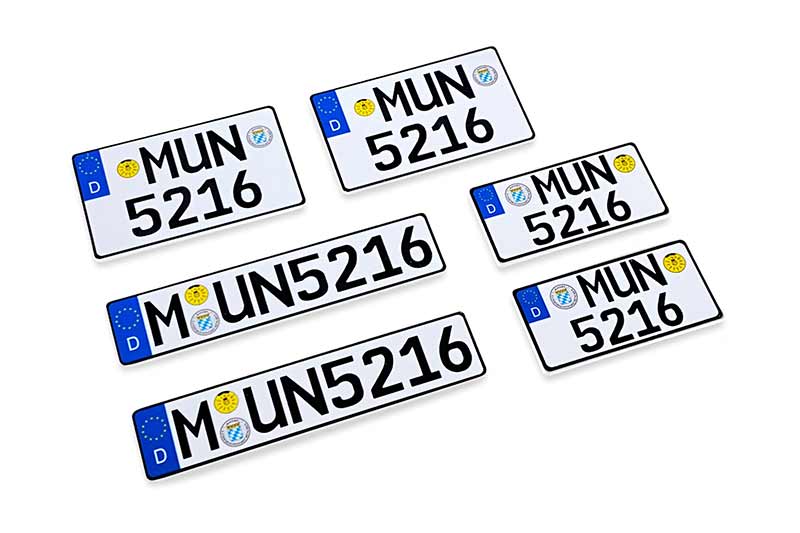
The national license plate is valid only within Iran, and its data cannot be recognized by traffic systems outside the country. The international license plate is printed according to global standards and can be registered and reviewed by the police of other countries. Instead of Persian numerals, it uses Latin letters and numerals and includes the country abbreviation (IR).
With a national license plate, legal circulation outside the country is not possible. The international license plate prevents vehicle seizure, fines, or border-related problems. It is also recorded in the international insurance policy and Green Card, and without it, insurance coverage is incomplete.
To obtain an international license plate, the vehicle owner must meet specific conditions.
The vehicle must be registered solely in the name of the applicant, and a power of attorney is not acceptable unless the authorization explicitly states permission for the vehicle to leave the country.
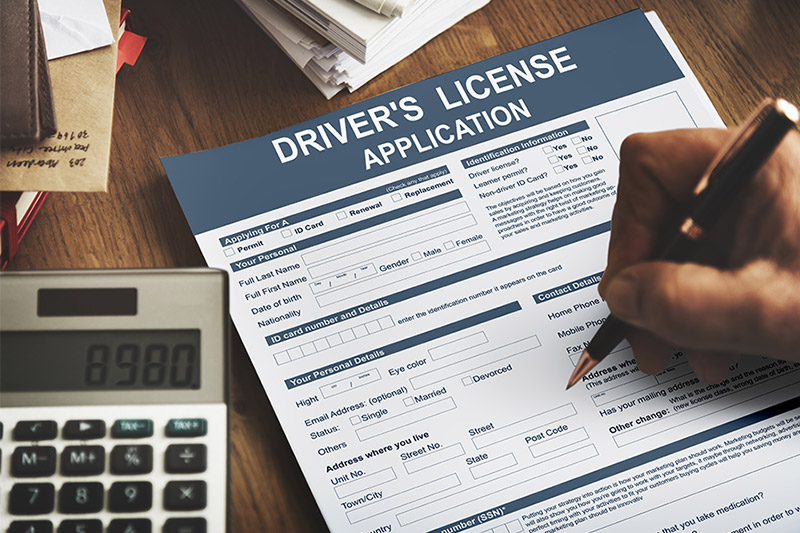
To issue the license plate, providing personal documents and vehicle documents is essential. The documents must be complete and valid to prevent delays in the process.
Personal documents
Vehicle documents
This process involves three main stages: application submission, fee payment, and document submission. The user can visit the Tourism and Automobile Association centers in person or submit the application through the online system.
Tourism and Automobile Association Address:
Website: www.taci.ir
Contact Number: 02188500209
The cost includes the issuance of the license plate, international card, and some ancillary fees. The tariffs are published annually by the Tourism and Automobile Association.
These centers are active in Tehran and several major cities, including Mashhad, Isfahan, Ardabil, Urmia, Tabriz, Shiraz, Arak, Astara, and more. Most applications are made at the central office on Khorramshahr Street in Tehran. In other provinces, the Association’s representatives offer similar services. In general, all travel agencies across Iran that have been authorized to issue international driving licenses by the Tourism and Automobile Association can issue foreign license plates.
Using an international vehicle plate offers many advantages, some of the most important include:
This plate is valid in many parts of the world and allows drivers to have a comfortable, worry-free travel experience.
Before leaving the country, consider the following:
By keeping these points in mind, your trip will proceed smoothly and you will avoid potential problems.
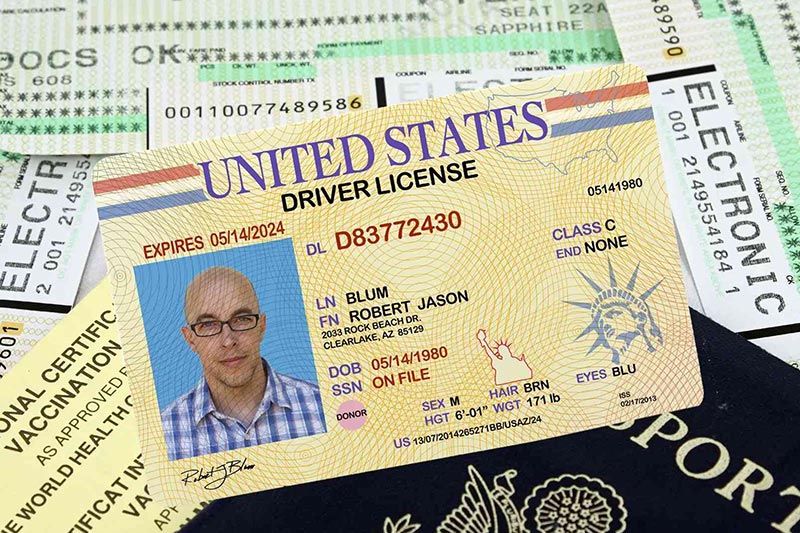
An International Driving Permit (IDP) is an official translated document of your national driver’s license that allows you to drive legally in other countries. This document is issued by authorized bodies such as the Iran Touring & Automobile Club and verifies that you hold a valid domestic driving license and are qualified to drive. The IDP does not replace the original national license but must be presented alongside it.
In Iran, international driving permits are typically issued in two types:
The 1-year version is more commonly requested, but the 3-year version, due to its broader international acceptance, is more suitable for multiple trips.
The process to obtain an IDP is simple and fast:
Original valid Iranian driver’s license
Original passport or a scan of the first page
One 3×4 photo
Complete the application form
Pay the issuance fee
Immediate issuance in less than 30 minutes.
The Iranian International Driving Permit is valid in over 130 countries worldwide, including:
Note: In some states of the United States, an official translation is not required, but the IDP is highly recommended for renting vehicles.
The fees may vary annually, but they typically range around:
(Note: These amounts are approximate and should be verified on the Iran Touring & Automobile Club website at the time of application.)
Cabotage is a temporary exit permit for a vehicle from the country, issued by customs. This permit allows the vehicle owner to take their vehicle across the border for a specific period (usually one year) without paying customs duties and taxes, and to bring the vehicle back into the country later. Cabotage is specific to vehicles with national plates, and without it, the vehicle cannot exit through land borders.
The cabotage process involves several administrative and technical steps:
The vehicle owner must visit one of the authorized customs offices for cabotage issuance (such as in Tehran, Shiraz, Tabriz, Urmia, Mashhad, Bandar Abbas, etc.).
A customs expert inspects the vehicle for chassis and engine numbers and verifies the authenticity of documents.
The vehicle is sealed by a customs officer to indicate it is ready for departure. The seal must remain intact when exiting the country.
Once the steps are completed, the cabotage book is issued. This document is mandatory when crossing the border.
The duration of the cabotage process varies between 30 minutes to 2 hours depending on customs traffic. If all documents are complete and the vehicle is ready, the process usually takes less than an hour. During peak travel times (Norooz holidays, summer, and official holidays), the process may take longer.
Obtaining an international vehicle plate is an essential and important process for drivers interested in international travel. By preparing the necessary documents, following legal procedures, and adhering to essential travel tips, one can enjoy hassle-free travel across various countries. This plate not only facilitates travel but also enhances legal recognition and reduces border and customs issues.