




When you visit Oman, a country known for its warm hospitality, stunning landscapes, and traditional markets, there is one experience you should not miss: tasting the best Omani dishes. From fragrant rice dishes to slow-cooked meats, fresh seafood, dates, and traditional sweets, best Omani dishes offer travelers a rich and memorable taste of the country’s heritage.
So, what are the best Omani local dishes to try? In this article from the Sepehran Blog, we introduce some of Oman’s most famous traditional foods, including Maqbous, a flavorful rice dish prepared with meat or fish and aromatic spices, and Shuwa, tender meat slow-cooked underground for hours. Local breads, fresh dates, and traditional Omani halwa also play an important role in Oman’s food culture and make the country’s cuisine even more unique.
If you are planning a trip to Oman, start your journey by booking your flight to Muscat. With beautiful attractions, welcoming people, and the chance to discover the best Omani foods, your trip can become an unforgettable culinary experience.


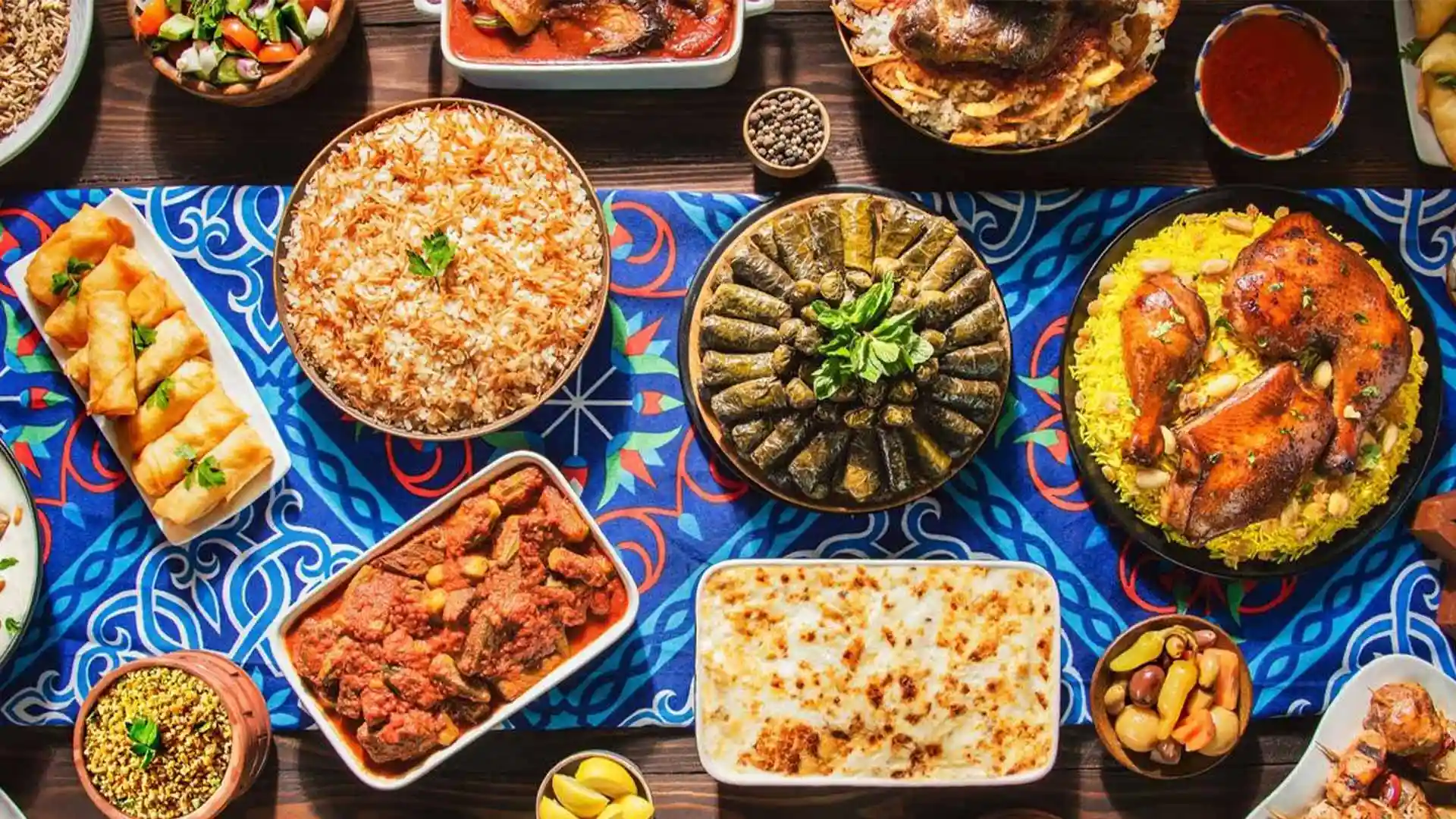
Maqbous is a symbol of Omani hospitality and warmth. This delicious dish is primarily made with rice, along with chicken, lamb, or fish, and seasoned with a blend of traditional spices like turmeric, cinnamon, cloves, and cardamom. The rice is cooked in meat broth and garnished with raisins, almonds, and aromatic herbs. Maqbous is more than just a tasty dish — it represents the spirit of sharing and celebration in Omani culture.
Maqbous is common in most Arab countries. It is typically served during Islamic holidays like Eid al-Fitr and Eid al-Adha, or on family ceremonies like engagements or weddings. Eating this dish with loved ones enhances the sense of togetherness and joy.
| Main Ingredients | Basmati rice, meat or chicken, onion, tomato, tomato paste, spices (turmeric, cinnamon, cloves, cardamom, cumin, black pepper), garlic, ginger, raisins, slivered almonds or pistachios |
|---|---|
| Preparation | Meat or chicken is sauteed with spices and onions, then tomatoes are added. The meat is simmered in water, and partially cooked rice is added to the meat broth to finish cooking gently over low heat |

Mishkak is one of Oman’s most beloved traditional foods — skewered meat, usually beef or goat, marinated with special spices and grilled over charcoal or direct flame. Especially popular during Eid al-Adha and traditional celebrations, Mishkak is commonly prepared right in front of customers in local markets.
It’s a great source of protein, iron, and vitamin B12, especially when made with lean meat. Mishkak reflects the traditional Omani art of meat grilling and is typically enjoyed outdoors in family or community gatherings — another testament to Oman’s rich hospitality. It’s somewhat similar to Arabic shish kebabs.
| Main Ingredients | Fresh meat (usually goat or beef), salt, black pepper, cumin, cinnamon, cloves, cardamom, turmeric, garlic, and sometimes vinegar or lemon juice for extra flavor. |
|---|---|
| Preparation | The meat is cut into thin, elongated strips, marinated in the spice mix, then skewered onto wooden or metal sticks and grilled. In some regions, it is cooked over an open flame for a smoky flavor. |

No trip to Oman is complete without trying Omani Halwa. This traditional dessert is made from flour, sugar, butter, saffron, cardamom, and rosewater, often decorated with almonds or pistachios.
Its jelly-like texture and sweet, aromatic flavor make it a favorite souvenir for many travelers. Omani Halwa holds a special place in celebrations, ceremonies, and family gatherings.


Mashuai is a traditional Omani dish featuring grilled fish. Fresh, local fish, often Kingfish, Grouper, or Croaker, is grilled directly over fire or coals to preserve its natural flavor.
It’s usually served with local bread, plain rice, fresh lime, and sometimes pickled vegetables. Occasionally, special sauces like mango, spicy pepper, and chutney accompany.
| Main Ingredients | Fresh fish, salt, sometimes simple spices like black pepper or cumin; usually very lightly seasoned to highlight the natural taste of the fish. |
|---|---|
| Preparation | The cleaned fish is salted and either grilled directly over hot coals or baked in a traditional Omani clay oven called a “Tanoor.” Sometimes it’s wrapped in palm leaves to keep the flesh tender and flavorful. |
Shuwa is one of the most traditional and special Omani dishes. It typically consists of marinated lamb, goat, or beef, wrapped and cooked underground in a traditional oven for hours or even two full days.
The result is incredibly tender, juicy meat infused with aromatic spices and a subtle smokiness from the earth cooking method. Shuwa is served with fragrant Arabic rice, local bread, and often with side dishes like pickled Omani limes, fresh salad, or traditional sauces.
In Omani culture, Shuwa is considered one of the most valued and delicious traditional meals.
| Main Ingredients | Fresh meat, traditional Omani spice blend including cinnamon, cloves, cumin, turmeric, black pepper, dried coriander, garlic, ginger, salt, and sometimes pomegranate paste or tamarind for extra flavor. |
|---|---|
| Preparation | The marinated meat is wrapped in banana or palm leaves and placed in an underground pit heated with hot coals. The opening is sealed, and the meat is slow-cooked for hours until it’s tender, juicy, and full of flavor. |

Khubz Omani is a thin, crispy flatbread baked in special ovens. It’s commonly served with honey, cheese, or butter, and is a staple at Omani breakfasts.
Some varieties are topped with sesame or nigella seeds, giving them a unique and pleasant flavor. In traditional markets — especially in cities like Muscat, Nizwa, and Sur — you can often see local women skillfully preparing this bread in front of customers.
| Main Ingredients | Wheat flour, water, salt, and sometimes a bit of sugar or oil. Some variations may be flavored with cardamom, sesame seeds, or other traditional aromatic ingredients |
|---|---|
| Preparation | A simple dough is prepared and rolled out thinly over a round, hot metal plate called a “Tawa” or “Saj.” It cooks in seconds, becoming crisp and delicate. Making it requires skill in stretching and handling the dough |

Kahwa, or Omani coffee, is an integral part of Omani hospitality. It’s a light coffee flavored with cardamom and saffron, typically served with fresh dates.
Sipping a cup of kahwa offers visitors an authentic taste of Arabian culture.
Omani cuisine is a perfect blend of authentic Arabic flavors, delightful spices, and traditional cooking methods that captivate every traveler.
Exploring Omani food is not just a culinary journey — it’s a deep dive into the heart of Oman’s rich culture and heritage. If you’re heading to Oman, be sure to include these delicious dishes in your travel itinerary and savor the true taste of tradition.