






The Galápagos Islands are one of the most extraordinary travel destinations in the world. Located far out in the Pacific Ocean, this volcanic archipelago belongs to Ecuador and is famous for wildlife found nowhere else on Earth: giant tortoises, marine iguanas, blue-footed boobies, Darwin’s finches, Galápagos penguins, sea lions and flightless cormorants.
For travelers, the Galápagos are not just a beach destination. They are a living classroom of evolution, conservation and island ecology. Every trail, lava field, mangrove lagoon and snorkeling site tells a story about how life adapts in isolation. This guide explains where the Galápagos Islands are, why they matter, how to get there, when to visit, which islands to choose, how much a trip may cost and what rules travelers should know before arriving.
We suggest you stay with Sepehran blog until the end of the article.
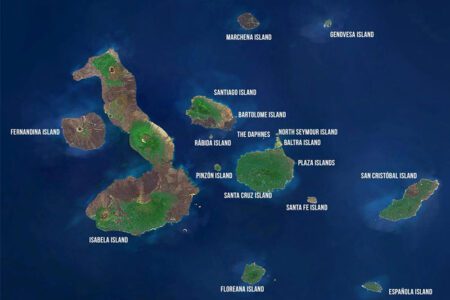
The Galápagos Islands are located in the eastern Pacific Ocean, roughly 970 to 1,000 kilometers west of mainland Ecuador. They sit on both sides of the equator and form part of Ecuador’s Galápagos Province.
Although the islands feel remote, they are reachable by air from mainland Ecuador. Most visitors first fly to Quito or Guayaquil, then take a domestic flight to one of the two main Galápagos airports: Baltra Airport, near Santa Cruz Island, or San Cristóbal Airport.
The archipelago includes major islands, smaller islands, islets and rocks. Only a small number of islands are inhabited, while large parts of the land and surrounding waters are protected as part of Galápagos National Park and the Galápagos Marine Reserve.
A Galápagos map helps travelers understand why planning matters. The islands are spread across a large ocean area, and moving between them is not always as simple as looking at the distance on a map.
The most important islands for visitors include:
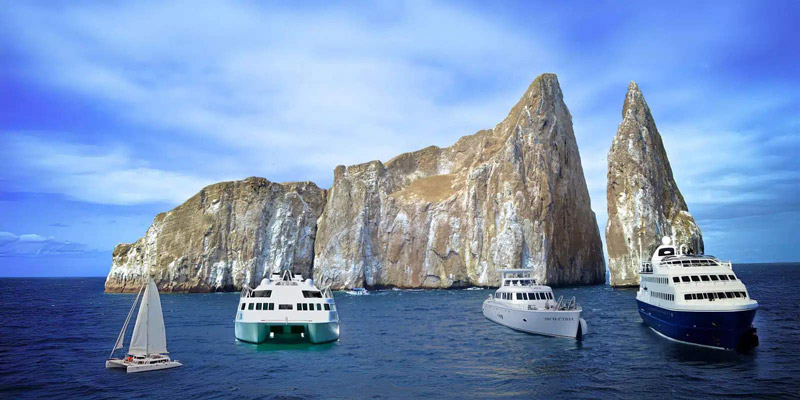
A land-based trip usually focuses on Santa Cruz, San Cristóbal and Isabela. A cruise can reach more remote islands and visitor sites that are difficult or impossible to access independently.
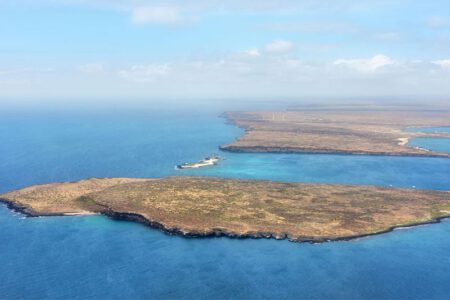
The Galápagos Islands were formed by volcanic activity. As tectonic plates moved over a volcanic hotspot, islands emerged from the ocean floor over millions of years. Some islands are geologically older and more eroded, while others are younger, more rugged and still show dramatic lava landscapes.
This volcanic origin is one reason the archipelago has such varied habitats: dry lowlands, humid highlands, mangroves, lava fields, coastal cliffs, beaches and marine ecosystems shaped by ocean currents.
Isolation played a major role in the islands’ evolution. Species arrived by air, sea or floating vegetation, then adapted over time to local conditions. This process produced a high level of endemism, meaning many plants and animals exist only in the Galápagos.
The result is an ecosystem unlike anywhere else on Earth.
Traveling to the Galápagos is different from visiting a conventional island destination. The main reason to go is the rare relationship between wildlife, geology and conservation.
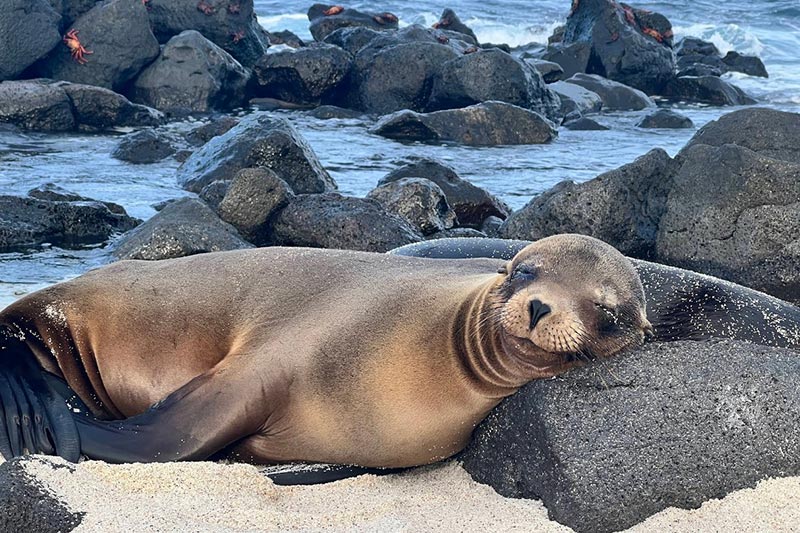
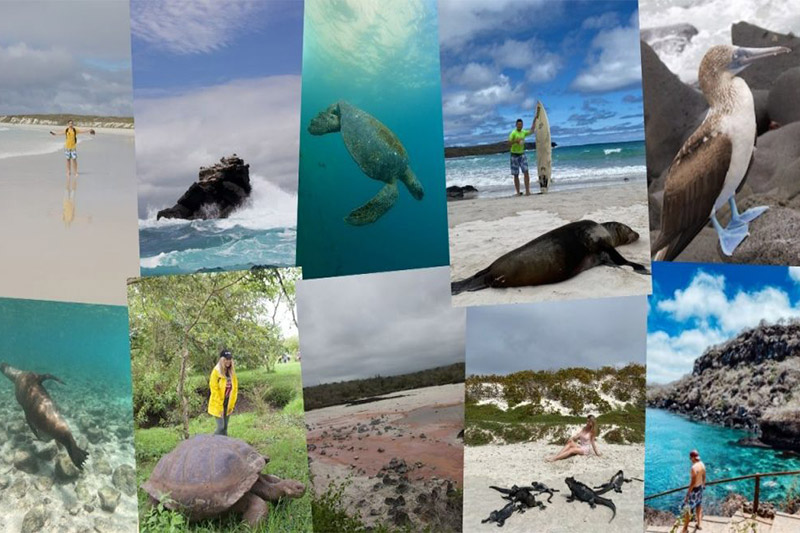
Here, animals often show little fear of humans because they evolved in relative isolation. Travelers may see sea lions resting on benches, marine iguanas sunning themselves on black lava rocks, giant tortoises moving slowly through highland vegetation and blue-footed boobies nesting near visitor trails.
The Galápagos are also closely connected with Charles Darwin. His 1835 visit to the islands helped shape his thinking about adaptation and natural selection. Today, Darwin’s finches, mockingbirds, tortoises and other species remain central to the islands’ scientific importance.
For travelers who enjoy nature, photography, snorkeling, hiking, wildlife observation and responsible adventure, the Galápagos Islands offer one of the richest experiences in South America.
Galápagos National Park protects most of the land area of the archipelago. It was established to conserve the islands’ unique wildlife, habitats and geological formations. Together with the Galápagos Marine Reserve, it forms one of the world’s most important protected natural areas.
Visitors do not move freely everywhere in the park. Many sites can only be visited with an authorized naturalist guide, and travelers must follow strict rules designed to protect fragile ecosystems.
Key visitor rules usually include:
These rules are not just formalities. The Galápagos are vulnerable to invasive species, habitat disturbance and pressure from tourism, so responsible behavior is essential.
Wildlife is the heart of any Galápagos trip. Many travelers come for one or two famous animals and leave with a much deeper appreciation of the entire ecosystem.
Galápagos giant tortoises are among the most iconic animals in the archipelago. They can be seen in highland reserves on Santa Cruz and other islands, as well as in breeding and conservation centers. Different islands and volcanoes have historically supported different tortoise populations, making them important symbols of island evolution.
The Galápagos marine iguana is the only marine lizard in the world. It feeds in the ocean and rests on lava rocks to warm itself in the sun. Visitors often see them on beaches and rocky coastlines, especially on islands such as Fernandina, Isabela, Santa Cruz and Española.
Darwin’s finches are small birds with different beak shapes adapted to different food sources. They are closely associated with the development of evolutionary theory and remain a key symbol of the islands’ scientific value.
Blue-Footed Boobies and Seabirds
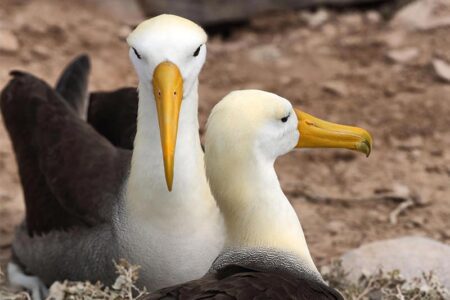
Blue-footed boobies are famous for their bright feet and courtship displays. Other important seabirds include red-footed boobies, Nazca boobies, frigatebirds, waved albatrosses, Galápagos hawks and flightless cormorants.
The Galápagos penguin is among the rare penguin species that live in the Northern Hemisphere. These unique birds are mainly spotted around the western parts of the archipelago, particularly on Isabela and Fernandina islands
Snorkeling may bring encounters with sea lions, sea turtles, rays, reef sharks, colorful fish and sometimes penguins. The marine experience is often one of the most memorable parts of the trip
The Galápagos can be visited year-round. There is no single bad month, but the experience changes depending on weather, water temperature, wildlife cycles and sea conditions.
Warm Season: December to May
The warm season usually brings warmer water, calmer seas and more sunshine. It can also bring short tropical rains, especially in the highlands. This period is often good for snorkeling, swimming and travelers who prefer warmer conditions.
Cool and Dry Season: June to November
The cool season is influenced by nutrient-rich currents. The water is cooler, seas may be rougher and skies can be cloudier, but marine life can be very active. This can be an excellent period for wildlife-focused travelers and divers.
Best Time by Interest
• Best for warmer water: December to May
• Best for snorkeling comfort: often January to May
• Best for active marine life: often June to November
• Best for birdwatching: varies by island and species
• Best overall: depends on your priorities, because wildlife is visible throughout the year
For most first-time visitors, the best time to visit the Galápagos is the time that matches
To get to the Galapagos Islands, international travelers usually fly first to mainland Ecuador. The main gateway cities are Quito and Guayaquil. From there, domestic flights connect to either Baltra Airport near Santa Cruz or San Cristobal Airport.
Before boarding a flight to the islands, travelers must complete Galapagos entry procedures, including the Transit Control Card process and luggage inspection for biosecurity. The official Galapagos National Park arrival information states that travelers obtain the TCT before airline check-in in Quito or Guayaquil, and the TCT costs US$20.
Upon arrival in Baltra or San Cristobal, visitors pay the Galapagos protected-area entry fee. For foreign tourists, child and adult cost of visit are diffrent
From the airport, travelers continue to their hotel, cruise, or island-hopping route. Baltra arrivals usually transfer to Santa Cruz by bus, ferry, and road transport, while San Cristobal Airport is very close to Puerto Baquerizo Moreno.
Getting to the Galapagos is straightforward if you plan ahead, but it is not as simple as flying to a regular beach destination. The extra entry procedures, biosecurity checks, park fees, and limited flight routes mean travelers should allow enough time and avoid tight connections.
Getting around the islands depends on your travel style. Cruise passengers usually move between visitor sites by boat, often traveling overnight. Land-based travelers use public speedboats, small aircraft, taxis, bicycles, walking routes, and organized day tours.
Public speedboats connect the main inhabited islands, but crossings can be bumpy depending on sea conditions. Travelers prone to seasickness should prepare accordingly and consider choosing routes carefully.
For a smoother experience, many visitors combine a few nights on land with guided day tours or choose a cruise that includes multiple remote sites. The best option depends on your comfort level, budget, and desired wildlife encounters.
Galapagos National Park is the protected area that covers most of the land territory of the archipelago. It was created to preserve the islands’ unique ecosystems, endemic species, and fragile volcanic landscapes.
The park works together with conservation authorities, naturalist guides, researchers, and local communities to manage tourism and protect biodiversity. Visitor access is regulated, and many sites require travelers to be accompanied by certified guides.
The entrance fee helps fund conservation, management of protected areas, and sustainable development projects in the populated islands. Official sources explain that the visitor fee supports biodiversity conservation, protected-area management, local services, education, health, sanitation, and tourism-related services.
For tourists, the national park system is one of the reasons the Galapagos remain so special. The rules may feel strict, but they are essential for protecting animals, habitats, and the long-term future of the islands. Read More About Galápagos National Park
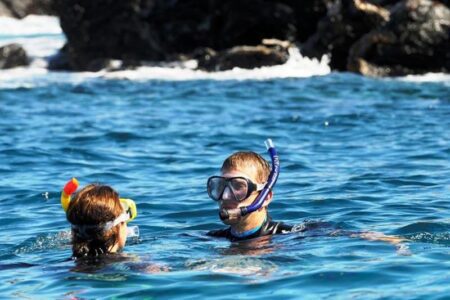
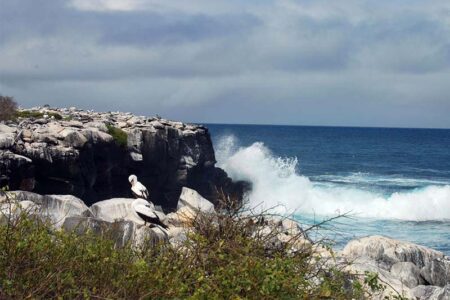

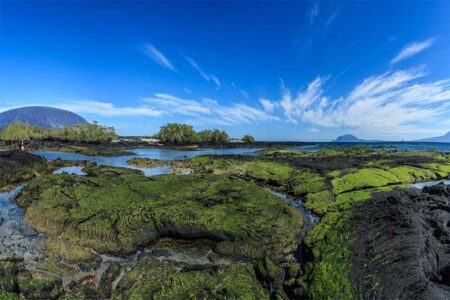
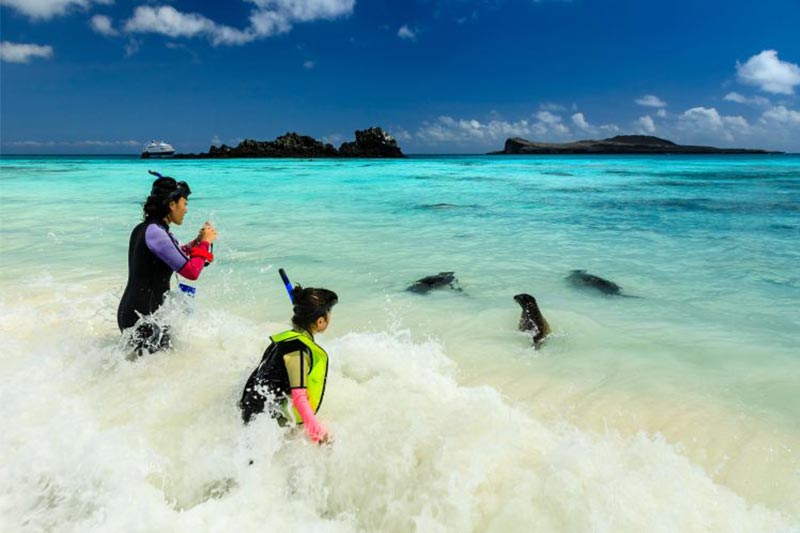
There are many unforgettable things to do in the Galapagos Islands, especially for travelers who enjoy nature and outdoor activities. Snorkeling is one of the top experiences, with opportunities to see sea turtles, reef sharks, rays, colorful fish, and playful sea lions.
Scuba diving is another major highlight. Advanced divers often dream of sites where they may encounter hammerhead sharks, manta rays, whale sharks, and large schools of fish. Diving conditions vary by season and location, so experience level matters.
Hiking is also rewarding. Trails can lead through volcanic landscapes, cactus forests, highlands, beaches, lava fields, and coastal viewpoints. Some hikes are short and easy, while others require more stamina and a guide.
Other popular activities include kayaking, paddleboarding, birdwatching, wildlife photography, beach walks, boat tours, and visiting conservation centers. The key is to choose activities that match your physical ability, budget, and wildlife interests.
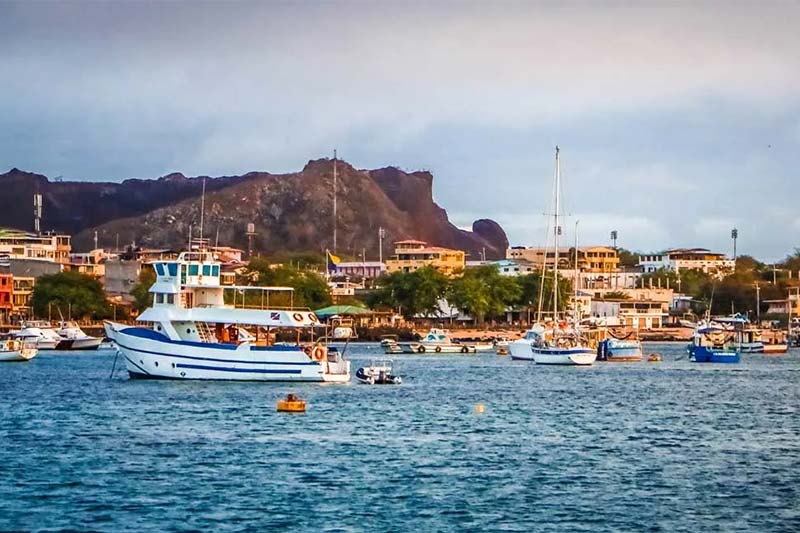
The best Galápagos activities combine wildlife, landscape and low-impact adventure.
Snorkeling
Snorkeling is one of the top activities in the Galápagos. Popular experiences may include swimming near sea lions, sea turtles, rays, reef sharks, marine iguanas and tropical fish.
Hiking
Hiking trails can lead through lava fields, highlands, coastal paths, volcanic landscapes and wildlife areas. Some hikes are easy, while others require more time and a guide.
Wildlife Watching
Wildlife observation is possible almost everywhere, but guided visitor sites provide the most structured and responsible experience.
Island Hopping
Island hopping allows land-based travelers to combine Santa Cruz, Isabela and San Cristóbal. This option is usually more flexible than a cruise, but it requires careful planning around ferry times, day tours and available routes.
Galápagos Cruises
Cruises are ideal for travelers who want to visit remote islands, reduce daily logistics and access visitor sites that are not practical from land. Cruises can be more expensive, but they often provide a deeper wildlife itinerary.
Kayaking and Paddleboarding
Some coastal areas offer kayaking or paddleboarding near mangroves, bays and calm waters where wildlife can be observed from a respectful distance.
Diving
Experienced divers may consider Galápagos diving trips, especially around famous marine sites. Diving conditions can be challenging, so this is better suited to confident divers.
Where you stay in the Galapagos depends on your itinerary. Santa Cruz is the most convenient base for many travelers because it has the widest range of hotels, restaurants, shops, tour agencies, and transport connections.
San Cristobal is a good choice for travelers who want a calmer atmosphere and easy wildlife encounters close to town. It is also convenient because the airport is very close to the main settlement.
Isabela is ideal for travelers who want a more relaxed, nature-focused stay. It has beautiful beaches, volcanic landscapes, and a slower pace, though fewer services than Santa Cruz.
Cruise travelers sleep on board and move between islands according to the route. This can be the best option for those who want to visit remote sites without arranging daily transport.
A Galápagos trip includes special fees because the islands are protected and require strict management.
Common required payments include:
Fees can change, so travelers should check official sources before booking. As a planning reference, foreign tourists over 12 years old currently pay a higher park entrance fee than Ecuadorian residents and some regional categories.
In addition, travelers should expect biosecurity inspections. These controls help prevent invasive species from entering the islands through luggage, food, seeds, plants or other restricted items.
A smart Galapagos packing list should focus on sun protection, comfort, water activities, and light travel. Bring breathable clothing, swimwear, a sun hat, sunglasses, sandals, walking shoes, and a light jacket for cooler evenings or boat rides.
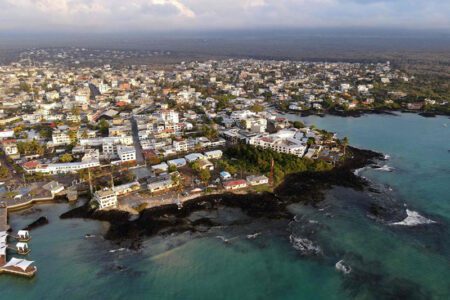
Santa Cruz is the most practical base for many first-time travelers. Puerto Ayora has hotels, restaurants, tour agencies and access to important sites such as the Charles Darwin Research Station, Tortuga Bay and highland tortoise reserves.
Santa Cruz is best for travelers who want convenience, a wide range of tours and good connections to other islands.
San Cristóbal offers a relaxed atmosphere, easy beach access and excellent wildlife encounters close to town. Sea lions are commonly seen around Puerto Baquerizo Moreno. Popular nearby sites may include La Lobería, Kicker Rock and interpretation centers.
San Cristóbal is ideal for snorkeling, sea lions, short stays and travelers who want a simpler island rhythm.
Isabela is the largest island and feels more remote than Santa Cruz. It is known for volcanoes, wetlands, flamingos, marine iguanas, penguins and beautiful beaches. Puerto Villamil is smaller and quieter than Puerto Ayora.
Isabela is best for travelers who want nature, slower travel and a less urban island experience.
Floreana has a fascinating human history and unique wildlife stories. It is often visited on day trips, although some travelers choose to stay longer for a quieter experience.
Española is famous for wildlife, especially waved albatrosses during certain seasons, as well as marine iguanas and dramatic cliffs. It is usually visited by cruise or organized day tour.
Fernandina and Genovesa are remote and especially valuable for wildlife-focused travelers. They are usually reached by cruise and are often highlights for serious nature enthusiasts.
The Galapagos Islands Ecuador are one of the world’s most unforgettable travel destinations. With volcanic landscapes, rare wildlife, clear waters, protected ecosystems, and a powerful connection to natural history, the archipelago offers far more than a typical island vacation.
From understanding the Galapagos Islands map to choosing the best islands, planning your budget, packing correctly, and following national park rules, preparation is the key to a successful trip. Whether you travel by cruise or stay on land, the Galapagos reward visitors who arrive informed and respectful.
For travelers seeking wildlife, adventure, conservation, and once-in-a-lifetime natural beauty, the Galapagos Islands remain one of the most inspiring places on Earth.
Yes, the Galapagos is considered one of the best wildlife travel destinations in the world for nature lovers and adventure travelers.
Santa Cruz is the best for first-time visitors, while Isabela offers more remote natural experiences.
Most travelers spend 5 to 8 days to explore multiple islands comfortably.
Yes, compared with many South American destinations, the Galapagos is relatively expensive due to strict conservation regulations.
There’s no bad time to visit! However, December to June offers warmer weather and calm seas, while July to November brings cooler waters with abundant marine life. The best time of year to go to the Galapagos islands depends on your interests.