


 Reading suggestion: El Goli Complex
 Reading suggestion: What Is Each City in Iran Famous for?

Tabriz is a city whose name is intertwined with flavor, color, and art—a city where every corner holds a keepsake to take home, and every traveler, sooner or later, begins searching for Tabriz souvenirs. Before stepping into the old bazaars or the well-known confectioneries, the main question is always the same: “Which souvenirs are worth buying, and where should I get them?” This very question marks the beginning of a delicious journey into the heart of Azerbaijani culture—a journey that starts with famous sweets like nougat and Qurabiya and continues through exquisite carpets, fine leather, and handcrafted arts.
Souvenirs of Tabriz are pieces of the city’s identity that reach your home in the form of foods or handicrafts. Among the passages of the historic bazaar, the old confectioneries, and the artistic workshops, you will find products, each with a long and deep-rooted story—a story whose taste lingers in the mind. This guide is written precisely to answer that need: what to buy, why it is valuable, and where to buy each souvenir.
If you want a confident, flavorful, and lasting choice, the rest of the article is a map that will guide you step by step through the best souvenirs of Tabriz—from famous delicacies to authentic handicrafts and reliable shops across the city.
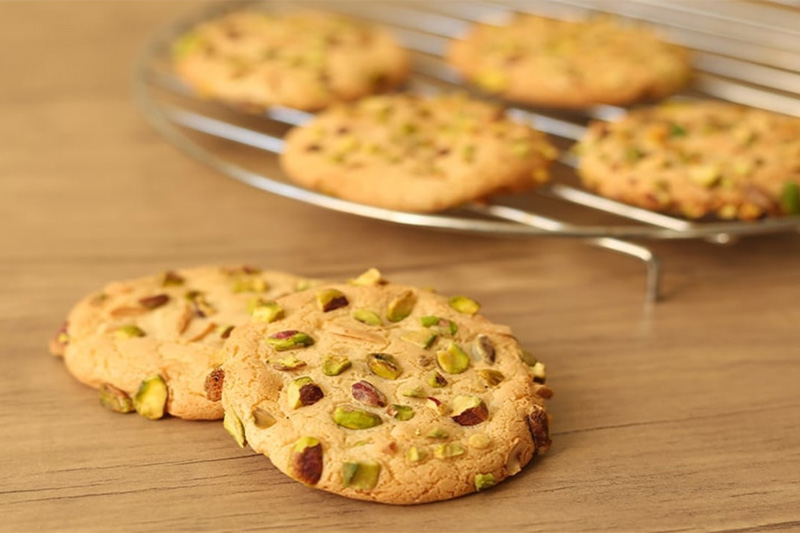
Lovuez is one of those souvenirs whose simple appearance surprises you. The saffron, pistachio, and almond varieties are the most famous. This small, square sweet, thanks to its soft texture, is popular among tourists, and its easy portability makes it an ideal gift.
In Tabriz, halva is not just a sweet; it is part of the city’s rituals and ceremonies. From carrot halva with its bright color to white halva and walnut halva, each is prepared for a specific occasion. Tabriz halvas usually have a soft texture and a strong aroma, and still play an important role in religious and family ceremonies.
The Tabriz style of Turkish delight has a softer texture and a milder flavor. The use of high-quality starch and a long cooking process makes this sweet well-balanced and pleasant—neither overly sweet nor rubbery.
Tabriz sesame and rice sweets are confections whose taste can be considered the “scent of the city.” Fresh sesame and high-quality rice flour create a flavor that has long been found in the traditional, decades-old confectioneries of Tabriz.
The Tabriz style of rahat-ol-halgoum has a softer texture and a milder flavor. Using high-quality starch and a long cooking process results in a well-balanced, pleasant, sweet flavor, neither overly sugary nor rubbery.
Tabriz dried fruits are of high quality, especially the hazelnuts and walnuts of Ahar, which have regional fame. Raisins, dried sour cherries, and dried apricots are also among the popular products. Many shops in the Tabriz Bazaar sell dried fruits in bulk, which results in price differences and a wide variety of choices.
The slopes of Sahand are covered with mountain plants, which enhances the quality of the region’s honey. The aroma of wildflowers and its natural taste have made Sahand honey one of the most valuable edible souvenirs of Tabriz.
Lighvan cheese is produced in the village of the same name near Tabriz. The cold climate, mountain pastures, and grazing methods have given this cheese a flavor different from many traditional cheeses; its mild saltiness and semi-firm texture have made it a favorite souvenir among travelers.
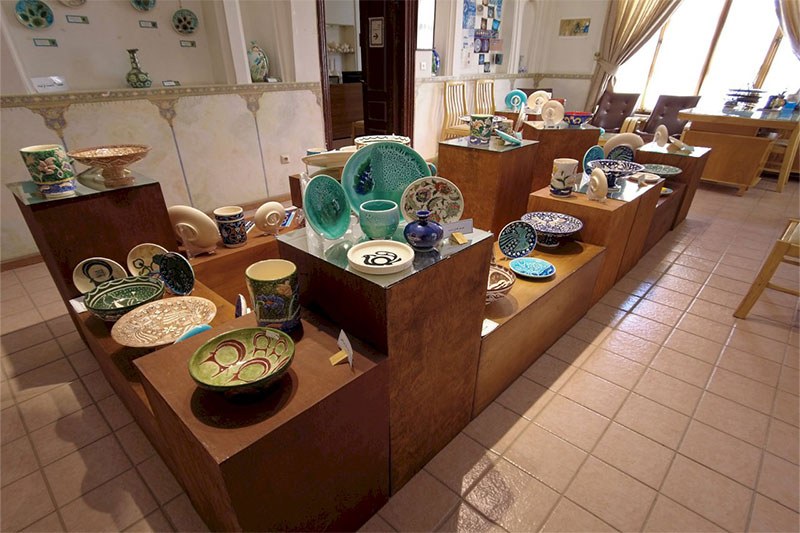
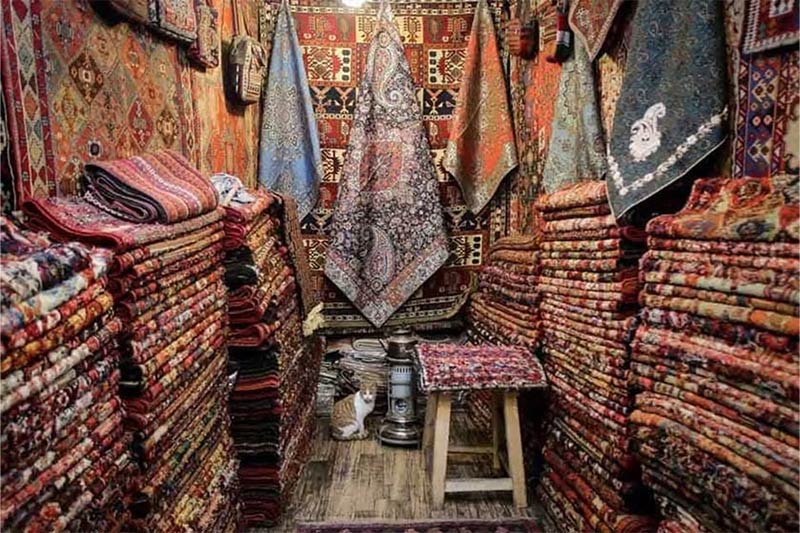
The handicrafts of Tabriz are among the aspects that reveal the city’s identity with all its delicacy—an art passed down from generation to generation for centuries and now offered to travelers as valuable souvenirs. Each product carries traces of the history, culture, and lifestyle of the people of this land, and this very diversity and authenticity have made handicrafts one of the most complete and appealing sections of Tabriz souvenirs.
Tabriz carpets enjoy prestige not only in Iran but also worldwide. The city of Tabriz is one of the oldest carpet-weaving centers in the country, and patterns such as Mahi, Heris, Shah Abbasi, and Lachak-Toranj are among its most recognized designs. The orderly weaving, the use of natural dyes, and the fineness of the knots are the reasons behind the popularity of these carpets. When purchasing, attention should be paid to the knot density, the type of wool or silk, color uniformity, and the condition of the borders—details that determine the carpet’s final value.
Kilim and jajim from Tabriz are mostly known for their natural dyes and geometric patterns. Broken lines, Caucasian motifs, and warm colors have made these weavings a popular choice for traditional decor. The weaving style in Tabriz is generally more delicate, which is why these pieces tend to be more durable.
Tabriz leather has a long-standing reputation; it is flexible, durable, and finely stitched. From bags and shoes to belts and smaller accessories, all are made with a level of quality that attracts travelers’ attention. The superiority of Tabriz leather is due both to the quality of traditional tanning and to the craftsmanship of master artisans who execute stitching details with great precision.
Pottery in Tabriz and its surrounding regions has a long history. Plates, jars, and decorative vessels are produced with azure blue, turquoise, and precise geometric color combinations. These ceramics are often coated with traditional glazes, and their beauty lies in their simplicity and authenticity.
Copperware from Tabriz, ranging from large trays to teapots and coffee pots, has always been a popular souvenir. Many of these items are decorated with engraving, intricate designs such as arabesques, flowers, and vines, or traditional motifs formed by precise hammer strikes on the soft surface of copper. Tabriz copper is typically thicker and more durable, making it suitable for daily use as well.
Although Tabriz is better known for carpets and leather, wooden arts such as marquetry and khatam-kari also have roots in the city. Khatam boxes, wooden panels, and small decorative items are produced, which, despite not being widely famous, are notable for their craftsmanship quality.
In the regions of Ahar, Heris, and the surrounding villages near Tabriz, basketry and wickerwork are among the traditional crafts that have been passed down for generations. Small, handmade baskets, mats, and wicker containers are crafted from reeds and twigs, making them simple yet practical rural souvenirs.
Tabriz is not limited to its urban boundaries; the surrounding villages and towns each offer souvenirs that are just as valuable and authentic as Tabriz’s most famous keepsakes. This section presents a more complete picture of Azerbaijani culinary and artistic culture and broadens the travel route.
The village of Liqvan, located southeast of Tabriz, is one of the most well-known centers of traditional cheese production in Iran. The cool climate, mountain pastures, and local livestock practices have given this cheese a salty, natural, and distinctive flavor. Liqvan cheese is so popular that many consider it the most important souvenir of the areas around Tabriz.
Zenoz is a small but fragrant town near Marand. Its dried herbs—especially savory, mint, basil, and tarragon—have a sharp and fresh flavor due to the quality of cultivation and the fertile soil of the region. These herbs play a key role in Azerbaijani cuisine and are always found on travelers’ shopping lists.
The mountainous climate of Ahar provides ideal conditions for producing high-quality walnuts and hazelnuts. Ahar hazelnuts have small but rich kernels, and their flavor is stronger than that of many other regions in the country. Ahar walnuts are also famous for their high oil content and delicate texture and are usually considered a luxury souvenir.
Marand has always been known for its processed fruit products. Local plums, fruit-based sour snacks, and homemade fruit leathers with sweet-and-sour combinations are an inseparable part of Azerbaijani tables. The main advantage of Marand’s products is their natural taste and lack of additives.
With its cool climate and slopes covered in mountain flowers, Bostanabad is one of the best honey-producing regions around Tabriz. The honey of this area usually has an amber color and a warm flavor. Its natural quality can be recognized by the aroma of wildflowers and its uniform consistency.
Maragheh nougat, compared to Tabriz nougat, has a softer texture and a more caramel-like flavor. The greater use of nuts and a more homemade cooking method have given this type of nougat its own distinct character, turning it into one of the most different and popular souvenirs among tourists.
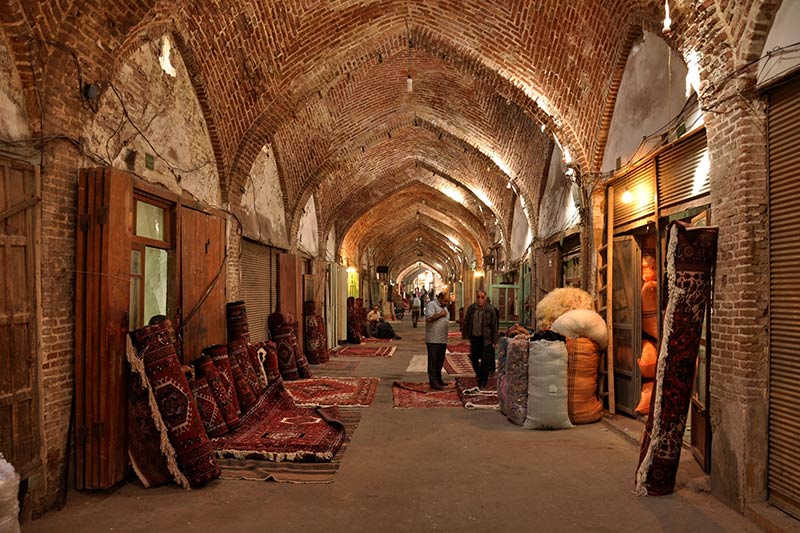
Tabriz is a city where tradition and commerce go hand in hand, offering travelers numerous options for buying souvenirs. Below are some of the most important and reliable places that provide product variety, quality, and an authentic, enjoyable shopping experience.
The covered bazaar of Tabriz is the main artery of the city’s trade and the best destination for buying authentic souvenirs. From leather and shoes to dried fruits, local sweets, spices, and exquisite carpets, everything can be found here. The magnificent architecture of the bazaar and its old shops turn shopping into a cultural experience.
If you are looking for local souvenirs with a traditional atmosphere, this bazaar is a suitable choice. Handicrafts, local food products, and unique gifts are available at reasonable prices.
For those who prefer modern shopping, Laleh Shopping Center is a popular option. Its food and dried-fruit sections offer a good variety and are especially suitable for purchasing packaged and standardized souvenirs.
This is the home of authentic Tabrizi sweets. If the goal is to buy eris, nougat, Turkish delight, Qurabiya, or ceremonial sweets, these confectioneries are the best choices.
Tabriz is one of Iran’s leather industry hubs, and the Maqsoudieh district is the heart of this craft and trade. Bags, shoes, belts, and various leather products of high quality and competitive prices are offered in this area.
For purchasing handwoven Tabriz carpets, Amir Bazaar is the most reputable location. Here, one can find authentic masterpieces woven with traditional patterns and natural dyes—products that are valuable both as souvenirs and even as investments.
Buying souvenirs in Tabriz is not limited to simply choosing a product; part of the experience lies in recognizing authenticity and identifying quality. Tabriz products—from nougat and Qurabiya to Liqvan cheese and handwoven carpets—each have their own specific criteria, and attention to these details is what makes a purchase reliable and worthwhile. An informed traveler, by recognizing these signs, ensures both the true quality of the product and that the cost paid is for something genuinely worth buying. In sweets, attention to texture and natural aroma is important; in dried fruits, freshness and pure flavor are the main criteria; in leather, the quality of stitching and authenticity of the material are decisive; and in Tabriz carpets, knot density, uniformity, and color stability are determining factors. By following these principles, buying souvenirs in Tabriz becomes a more precise, reliable, and lasting experience.
| Type of Souvenir | Key Quality Identification Criteria |
|---|---|
| Tabriz Nougat and Eris | High-quality nougat has a uniform, semi-stretchy texture and does not create irregular cracks when cut. |
| Tabriz Qurabiya | In a quality sample, the inner texture is light and rich in nuts. The surface should have natural cracks and should not leave a greasy residue on the fingers. |
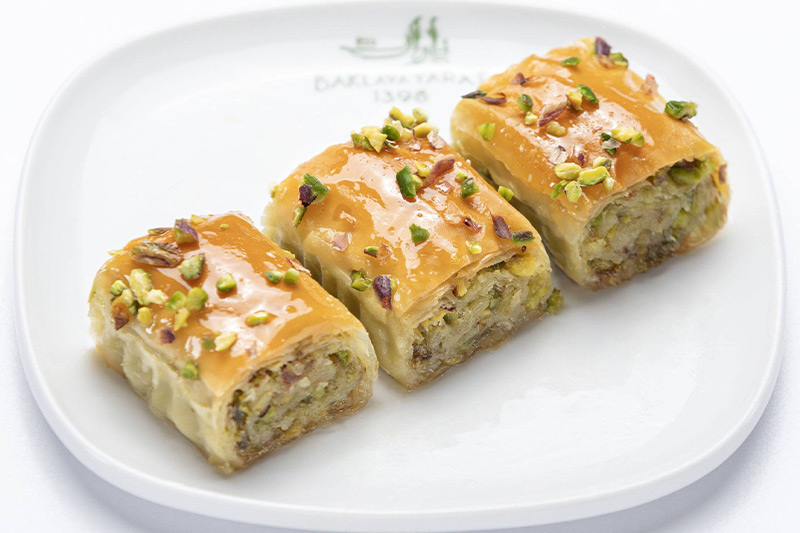
| Tabriz Baklava | The sweetness should have a mild flavor of rosewater and cardamom, and the syrup should be absorbed into the layers without making the product soggy or heavy. |
| Pistachio and Almond Loz | Natural color, a cohesive texture, and the genuine aroma of nuts are the main criteria. High-quality loz is neither overly hard nor easily crumbles under light pressure. |
| Tabriz Dried Fruits | Freshness is the most important indicator. Pistachios and hazelnuts should have a natural flavor with no staleness or warehouse smell. |
| Liqvan Cheese | Authentic cheese has a firm texture, small holes, and a balanced salty taste. It should not have an unnatural sharp odor or sour flavor and must be stored in brine. |
| Tabriz Leather | Natural leather has proper flexibility, and its smell is clearly distinguishable from industrial products. Stitching should be neat and fine. |
| Handwoven Tabriz Carpets | Knot density, uniformity on the back of the carpet, colorfastness against rubbing, and design symmetry are key quality indicators. Viewing the carpet under natural light is the best way to evaluate authenticity and color stability. |
| Azerbaijani Pottery and Ceramics | The glaze surface should be even, without fine cracks or color pooling. Handcrafted designs usually show slight variations, which indicate authenticity. |
| Copperware and Engraving | Uniform thickness and weight, a clear ringing sound when lightly tapped, and varying depths of engraved lines are signs of handcraftsmanship and high quality. |
Tabriz souvenirs are a mirror of an urban life that has preserved flavor, color, and art from generation to generation. Well-known sweets, fresh dried fruits, meticulous handicrafts, and local cheeses each tell a small story of the city’s spirit. When buyers understand the characteristics of each product, their choice becomes not merely a purchase, but the act of taking a piece of Tabriz’s identity with them. It is this connection between quality and culture that turns buying souvenirs in Tabriz into a pleasant and enduring experience—one that stays with travelers even after the journey has come to an end.