Health Tourism: Combining Travel and Treatment to Improve Quality of Life
heliya erfani
2025-12-30
فهرست مطالب
Health tourism is a form of travel in which the journey is no longer solely about sightseeing and enjoyment, but about living better. In this type of tourism, individuals make a conscious decision to travel to a destination where healing, relaxation, and the recovery of both body and mind are combined with a fresh experience of culture and nature. From advanced surgeries and specialized medical services to hot springs, traditional medicine, and rehabilitation programs, health tourism bridges the gap between medical science and travel experience—a bridge that shows how healthcare can simultaneously offer an opportunity to explore the world and return to inner balance.
In a world where the speed and pressures of modern life have become exhausting, health tourism offers a smart response to human needs: a purposeful journey aimed at restoration, prevention, and the rejuvenation of life quality.
Health tourism refers to a type of travel in which the primary purpose is to receive services related to physical or mental health. In this form of travel, individuals visit a destination outside their place of residence to benefit from medical, preventive, or rehabilitative services. These services may include medical and surgical treatments, rehabilitation programs, preventive care, and health-promotion methods.
In health tourism, health is the main factor driving the decision to travel, not a secondary outcome of the trip. Destination selection is based on the quality of medical services, the expertise of healthcare centers and physicians, standards, costs, and treatment outcomes. The real experiences of people who have previously used these services also play an important role in building trust. For this reason, health tourism is now recognized as a purposeful journey in which treatment and travel experience occur simultaneously and complement each other.
The Importance of Health Tourism
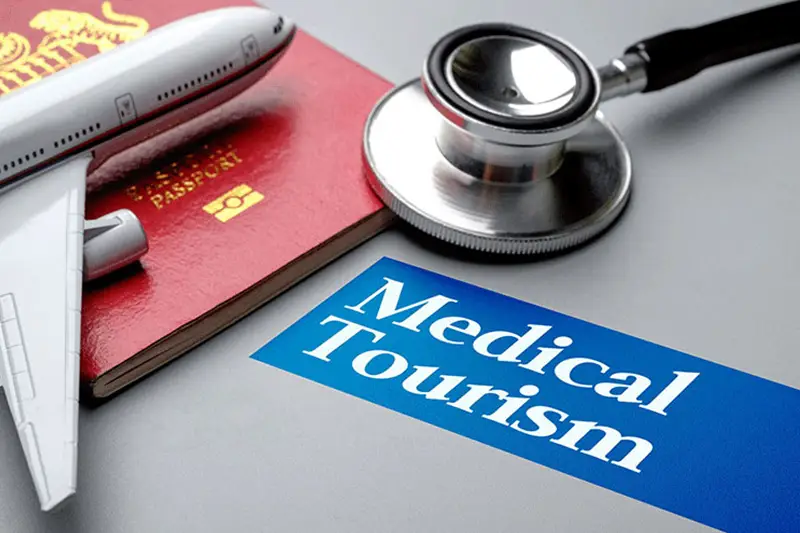
Medical tourism
The importance of health tourism becomes clearer when its role in addressing two fundamental needs simultaneously is considered: the need for access to high-quality healthcare services and the need for informed decision-making in the treatment process. This type of tourism operates at a point where medical decisions are no longer based solely on necessity or limitation, but rather on the evaluation and comparison of available options.
For many individuals, a medical trip is not merely a clinical decision; it is the result of comparing service quality, treatment costs, access time, the level of expertise of medical centers, and the experiences of those who have previously undergone similar treatments. Health tourism finds its true meaning at this intersection—where medical need is combined with the possibility of rational and informed choice.
From a practical perspective, health tourism makes it possible to overcome geographical limitations and gain access to services that may be unavailable locally or require excessive time and cost. This expands the range of treatment options while simultaneously increasing competition among medical destinations. The outcome of this competition is improved service quality, higher medical standards, and greater transparency in the delivery of healthcare services.
On a broader level, health tourism is also of strategic importance for host destinations. The development of this sector can strengthen healthcare infrastructure, facilitate the transfer of medical knowledge and expertise, create specialized employment, and contribute to the sustainable growth of the tourism industry. A patient’s choice of a medical destination is not merely an individual decision, but part of a broader cycle that influences the professional, economic, and service structures of that destination.
History of Health Tourism
A look at the history of health tourism reveals that this concept is neither new nor modern, but rather deeply rooted in early human experience. From the moment humans realized that “place” could influence “health,” travel for treatment or recovery gradually emerged. Initially, such journeys lacked a specific name, but their logic was clear: individuals traveled to places offering greater opportunities for healing or relief from physical or psychological distress. Over time, this historical trajectory was formally defined as “health tourism” and became a recognized concept.
Early Signs of Therapeutic Travel
The earliest signs of therapeutic travel can be traced back to ancient Greece. During that period, people traveled to places believed to possess healing properties to treat illnesses or alleviate physical and mental suffering. These places were often temples or ritual centers where healing extended beyond the body to include mental well-being and inner calm. Thus, travel in ancient Greece was not simply movement from one city to another; it was purposeful, with “treatment” as its primary motivation. This emphasis on therapeutic intent remained a defining element of health tourism in later periods.
Subsequently, in the Roman Empire, another form of health-related travel emerged. The use of hot baths, mineral springs, and hydrotherapy centers became part of everyday lifestyle and health maintenance. At this stage, the concept of the “medical destination” became more prominent—cities developed identities centered on hosting health-seeking travelers. These destinations were not merely places of treatment; they offered services, spaces, and facilities specifically designed for individuals pursuing health. As a result, treatment evolved from an individual act into a more structured experience that combined travel, accommodation, and the use of natural resources.
In the Eastern world, similar trends developed, though grounded in indigenous healing traditions. India, for example, played a significant role in the historical evolution of health tourism through its traditional medical systems. Travel for natural and indigenous healing methods was an integral part of the health culture in these regions. In this model, treatment was closely linked to lifestyle, nutrition, daily care, and the surrounding environment. Individuals did not travel solely to receive a medical service, but rather entered an environment where healing was integrated with ways of living and environmental conditions. This perspective later influenced the development of branches of health tourism such as wellness promotion and rehabilitation programs.
With the transition into the Middle Ages and later periods, health tourism gradually became more organized. In Europe, cities with mineral springs or natural therapeutic resources became well-known destinations. This development extended beyond the natural resource itself; over time, infrastructure, accommodations, and complementary services emerged alongside treatment. Consequently, health-related travel evolved from sporadic, individual journeys into a repeatable, planned model—one for which both destinations and travelers could prepare.
Health Tourism in the Twentieth Century
In the twentieth century, several key factors strengthened and expanded this trend: advances in medicine, the development of transportation, and increased public awareness. Medical progress led to more specialized treatments and more predictable outcomes. Improved transportation made travel faster and easier, reducing distance-related barriers. Greater public awareness encouraged individuals to consider a wider range of options when making medical decisions and to compare quality, cost, and accessibility. As a result, health tourism evolved from a limited, regional phenomenon into a broader, more global movement.
Today, when discussing health tourism, one encounters a concept that originated in humanity’s historical experiences and continues in a more precise and professional form to meet modern needs. This history demonstrates that the link between “travel” and “treatment” is neither accidental nor recent, but deeply rooted and repeatedly reshaped across different eras using various forms and tools. For this reason, health tourism can be understood as the continuation of a historical path—one that has always been guided by a constant principle: in the pursuit of better health, humans sometimes need to choose a different destination.
The current state of health tourism in Iran clearly demonstrates the industry’s high potential. Health tourism in Iran is not only rooted in the country’s long medical and therapeutic history but has also achieved a distinctive regional position today. In recent years, Iran has become one of the well-known health tourism destinations in the Middle East. This development is driven by a combination of medical expertise, competitive treatment costs, and a wide range of healthcare services, making Iran particularly attractive to patients from neighboring countries.
In terms of healthcare infrastructure, Iran benefits from an extensive network of hospitals, specialized medical centers, and experienced physicians. These strengths have positioned services such as specialized surgeries, infertility treatments, dental care, ophthalmology, and advanced medical treatments as key advantages of Iran’s health tourism sector. For individuals seeking high-quality yet affordable treatment, this combination of factors can be decisive in choosing Iran as a medical destination.
Iran’s Role and Its Impact on Health Tourism
Iran’s geographical location also plays an important role in the development of health tourism. Proximity to neighboring countries, easy access via land and air routes, and cultural and linguistic similarities with some of these countries have led a large proportion of health tourists to travel to Iran from nearby regions. This cultural closeness not only simplifies the treatment experience but also helps build greater trust among patients.
Given Iran’s growing appeal as a medical and tourism destination, patients can easily return to their home cities after completing their treatment by purchasing flights to Najaf or Baghdad, among other nearby destinations.
Iran’s position in the health tourism sector can be assessed as follows: the country has successfully demonstrated its medical expertise, but in order to become a reference destination in this industry, it needs to further strengthen trust, standardize patient experience, and establish more effective communication with international audiences. These measures will not only increase transparency in the growth path of health tourism, but will also make the future of this sector more predictable for patients and other treatment seekers.
Competitors of Iran in Health Tourism
To better understand Iran’s position in health tourism, it is essential to identify its regional and international competitors. Competition in health tourism is shaped not only by medical services, but also by trust, patient experience, accessibility, destination image, and service integration. These factors directly influence patient choice.
Turkey: Iran’s Main Competitor in Health Tourism
One of Iran’s main competitors is Turkey, which has invested in international hospitals, marketing, and integrating medical services with tourism to create a seamless experience for international patients. For those seeking treatment and comfort, Turkey is a comparable option to Iran due to its accessibility, multilingual services, and strong branding.
India’s Remarkable Progress in Health Tourism
At the global level, India is one of the major hubs of health tourism. Its main advantage lies in the combination of advanced medical care and low treatment costs. India is particularly well known for complex surgeries and specialized treatments. For patients seeking high-level medical care at controlled costs, India represents a serious competitor to Iran.
Jordan: Another Regional Medical Competitor
Regionally, Jordan has gained the trust of international patients by focusing on specific medical specialties and standardizing healthcare services. Jordan’s advantage lies more in its structural organization and patient experience management than in cost competitiveness. This has positioned Jordan as a specialized competitor in regional health tourism.
The United Arab Emirates: A Strong Regional Rival
The United Arab Emirates is also recognized as a key competitor to Iran in the health tourism sector. Despite higher treatment costs, the UAE’s modern infrastructure, ease of access, and strong international image have made it a distinct competitor. The UAE primarily targets niche markets and higher-income patients, shaping a differentiated form of competition with Iran.
However, Iran’s competition in health tourism is not limited to a single country, but spans various models of healthcare service delivery. If Iran can effectively combine its medical advantages with enhanced patient experience, strong communication, and targeted international promotion, it can remain a serious competitor among these destinations. This competitive landscape will shape the future of Iran’s health tourism sector and help it gain recognition as a credible medical destination on a global scale.
Medical Advantages of Iran for Health Tourists
Medical tourism
Health tourism is an emerging sector in the tourism industry, aimed at enhancing individuals’ physical and mental well-being through travel to different countries. In this type of tourism, individuals travel to specialized and professional environments to receive medical, therapeutic, or care services. Due to its unique advantages in the medical and healthcare field, Iran has become one of the most popular destinations for health tourists.
The therapeutic advantages of Iran for health tourists are as follows:
High-quality medical services: Iran is known for its highly skilled and experienced doctors in various medical fields, including complex surgeries, organ transplants, cancer treatments, and heart diseases. This reputation has made Iran a reliable destination for health tourism. Iranian doctors, who have received international training and use advanced medical techniques, have been able to offer high standards of medical care.
Affordable treatment costs: Due to lower treatment costs compared to many developed countries, especially for cosmetic treatments and non-essential surgeries, Iran is a popular choice for those seeking quality healthcare at a lower cost. This makes Iran an affordable destination for health tourists who wish to receive advanced medical treatments at more reasonable prices.
Modern healthcare facilities: In recent years, Iran has equipped its healthcare facilities with advanced technology and modern medical equipment, making it one of the top destinations for health tourism. Hospitals and medical clinics in Iran operate according to international standards and use the latest medical techniques and methods in providing healthcare services.
Support for traditional and complementary treatments: In addition to modern healthcare services, Iran is also recognized for its traditional Iranian medicine and herbal treatments using natural remedies. This aspect may appeal to those seeking non-chemical and natural treatments. Iran offers health tourists a combination of modern and traditional treatments, providing a holistic approach to healing.
Appropriate tourism infrastructure: Alongside healthcare services, Iran has developed suitable infrastructure for tourists. This includes equipped hotels, tour guides, and other amenities, making medical trips to Iran not only medically beneficial but also an attractive tourism experience. These infrastructures enable tourists to enjoy both healthcare services and the experience of traveling in Iran.
Cultural diversity and tourist attractions: In addition to receiving medical treatments, health tourists can also benefit from Iran’s cultural and historical attractions. This combination of healthcare and tourism creates a unique experience for health tourists. With its rich history, diverse culture, and numerous tourist attractions, Iran is recognized as an appealing destination for those seeking a blend of medical care and tourism.
These advantages have made Iran one of the leading destinations for health tourism in the region, with an increasing number of health tourists each year. With these characteristics, Iran has become a leading option not only for medical services but also for cultural and tourism experiences, making it a top choice for those seeking treatment and a travel experience.
Health tourism costs largely depend on the type of medical services required, the destination country, and the length of stay. For this reason, Iran has become one of the most popular destinations for health tourists due to its high-quality medical services and affordable treatment costs. Below is a detailed overview of health tourism costs in Iran:
Medical Treatment Costs
Medical treatment costs in Iran are significantly lower than in developed countries. These costs include surgeries, cosmetic treatments, laser procedures, organ transplants, and cancer treatments. For example, the cost of plastic surgery or dental treatments in Iran can be only one-third to one-quarter of the equivalent price in European countries or North America. This economic advantage makes Iran an attractive destination, especially for individuals seeking specialized treatments at lower costs.
Accommodation Costs
Iran offers a wide range of accommodation options, from budget hotels to five-star hotels, providing health tourists with diverse choices. Accommodation costs depend on factors such as hotel luxury level, location, and the type of services offered. Overall, accommodation in Iran is far more affordable than in European and American countries, allowing health tourists to easily select lodging that matches their budget.
Travel and Transportation Costs
Domestic transportation costs in Iran are also considerably lower than in many other countries. Transportation services such as taxis, buses, and domestic flights are offered at reasonable prices. This allows health tourists to travel throughout the country at lower costs, which is especially convenient during a medical trip.
Consultation and Specialized Treatment Costs
The cost of medical consultations and specialized treatments in Iran is also highly affordable. Given the strong reputation of Iranian physicians across various specialties, Iran has become an ideal destination for those seeking advanced medical care. In addition to their high level of expertise and experience, Iranian specialists offer their services at much more competitive prices than in many other countries, attracting patients from around the world.
Additional Treatment Costs
In addition to primary treatment expenses, certain supplementary services such as specialized medications, follow-up visits, and recovery services may add to the overall cost. These expenses are generally much lower compared to other countries. This advantage encourages individuals seeking medical treatment abroad to choose Iran for both primary and follow-up healthcare services.
Overall, health tourism costs in Iran are highly affordable. This affordability is one of the main reasons why Iran attracts health tourists from across the globe, as patients can receive high-quality specialized treatments at significantly lower costs compared to other countries. This feature has positioned Iran as one of the most appealing destinations in the health tourism industry.
Challenges and Risks of Health Tourism
medical-tourism
Along with all the advantages and potentials that health tourism can offer, the challenges and risks of this sector must also be realistically considered. Deciding to travel for medical treatment is a complex and multi-dimensional decision, and being aware of its limitations and risks plays a crucial role in ensuring a safe and reliable experience.
Lack of Transparency in Information
One of the biggest challenges in health tourism is the lack of transparency in information. In some cases, you may encounter a large volume of advertisements, promises, and informal narratives that may not be based on accurate standards or verifiable experiences. The absence of precise information regarding treatment processes, real outcomes, recovery periods, and additional costs can increase the risk of decision-making. This inaccurate or incomplete information can lead you toward wrong decisions and ultimately affect your treatment experience.
Coordination between Treatment and Travel
Another challenge is the coordination between treatment and travel. If the treatment process, accommodation, transportation, and follow-up care are not properly planned, your experience could be accompanied by psychological stress, wasted time, or unforeseen costs. In health tourism, treatment should not be seen separately from the other components of travel. Any misalignment in these areas directly impacts the quality of your experience. This can add complexity to your journey and cause unexpected discomforts.
Medical Risks
From a medical perspective, the risks involved should not be overlooked. Differences in treatment protocols between countries, cultural and language challenges in communication between doctors and patients, and limitations in long-term follow-up care after returning to the home country can all present problems. It is important to know how post-treatment care is defined and what specific path is available for follow-up in case of any issues. Inability to effectively track treatment after returning home can double medical risks.
Legal Issues and Accountability
Another potential risk in health tourism is legal issues and accountability. Differences in international health laws, the absence of clear contracts, or unfamiliarity with patient rights in the destination country can put you in ambiguous and difficult situations. This could expose you to legal risks that may be easily overlooked. Therefore, choosing reputable medical centers, official pathways, and having accurate information about local laws in the destination country is very important.
Need for Informed Trust
The main challenge of health tourism ultimately comes down to the fact that treatment in the context of travel requires informed trust. The more your choice is based on accurate information, documented experiences, and clearer paths, the fewer the risks will be. In such conditions, health tourism can become a safe, effective, and reliable experience. Making an informed decision, carefully following the steps, and having clear information about the treatment process can help reduce risks and keep you away from any unexpected problems.
How to Obtain a Health Tourism Visa for Iran
Medical tourism
First, consult with a hospital or health tourism agency and submit the required documents. Then, apply through the Iranian Ministry of Foreign Affairs (MFA), and the visa reference code will be issued within 7-10 days. The visa is usually valid for 30 days (extendable up to 90 days) and can be obtained from the embassy or selected airports. Using reputable agencies like Iranparadise makes the process easier.
Typical documents for the application include:
A valid passport with at least 6 months of validity
A passport-sized photo according to the standards
Relevant medical reports and analyses
An acceptance letter or treatment confirmation from an Iranian hospital
Proof of ability to cover medical and accommodation expenses
These documents should be sent digitally or physically to the embassy or agency. If the documents are complete and approved, the Iranian embassy or consulate will issue a Type T medical visa for you, which is for the purpose of entering Iran for treatment.
How much does an Iranian health tourism visa cost?
The cost of an Iranian medical visa is usually lower than that of a regular entry visa and is typically about half the cost of a standard tourist visa. In practice, the cost may vary depending on your nationality and the application method (embassy, agency, or online), but it is generally estimated to range from $40 to $80 USD. This is just the visa issuance fee; treatment and accommodation costs are separate. If you use a health tourism agency, there may be an additional fee for processing the application, but this method usually leads to faster processing and a higher likelihood of visa approval.
Health Visa Requirements
To obtain a Type T visa, you need a valid passport (at least 6 months of validity), a photo, a medical letter from a specialist, medical documents (such as ultrasound reports), an invitation letter from an Iranian hospital with IPD, and proof of financial capability. For individuals under 18 years old, a parental consent letter is required, and accompanying persons can also receive a visa.
Useful Tips for Health Tourists
If you’re traveling to Iran for treatment, the medical visa (Medical Visa / T Visa) is the best option as it directly specifies your purpose and makes the visa acceptance process easier at the embassy. Although Iran also offers tourist visas, if your goal is medical treatment, it is recommended to apply for a medical visa, as the embassy may not issue a tourist visa for medical purposes. Most health tourists from countries like Iraq or neighboring countries (which are usually easily accessible to Iran) can apply for either medical or tourist visas, but treatment approval is always required.
Conclusion
Health tourism has become one of the most important connections between the healthcare system and the tourism industry in the modern world. This sector shows that treatment is no longer merely a compulsory action limited by geography, but a process based on choice, comparison, and awareness that can simultaneously enhance both the quality of treatment and the individual patient’s experience. Therefore, health tourism today is not a passing trend but a well-established part of international healthcare decision-making. Ultimately, health tourism achieves the best outcomes when health remains the central factor in decision-making, and travel serves treatment, not the other way around. Such an approach can provide a safe, reliable, and effective experience for patients while creating a sustainable path for growth, credibility, and long-term development for healthcare destinations.
Frequently Asked Questions
What is Health Tourism?
Health tourism refers to a type of travel where the primary purpose is to receive services related to physical or mental health. In this type of travel, an individual visits a destination outside of their place of residence to benefit from medical, preventive, or rehabilitation services.
Why has Health Tourism become an informed choice?
In health tourism, the choice of destination is based on the quality of medical services, the expertise of doctors, standards, and treatment outcomes, which reflects an informed decision to improve health.
What features make Health Tourism important?
Health tourism responds to the human need for access to high-quality healthcare services and informed choice in the treatment process. This industry can also contribute to the development of healthcare infrastructure and the creation of specialized employment in tourism destinations.
Where are the first signs of Health Tourism observed in history?
The first signs of health tourism can be traced back to ancient Greece, where people visited places with healing functions for treating diseases or alleviating physical and mental suffering.
Why has Iran become a suitable destination for health tourists?
Iran, with its skilled doctors, affordable costs, and advanced medical services, has become an attractive destination for health tourists.
What are the therapeutic advantages of Iran for health tourists?
Iran, with its high-quality medical services, low treatment costs, modern healthcare facilities, and the ability to benefit from traditional and herbal medicine, has become an attractive destination for health tourists.
What challenges exist in health tourism?
Challenges include a lack of transparency in information, difficulties coordinating treatment with travel, medical risks, and legal and accountability issues.
How is a medical visa for Iran issued?
To obtain a medical visa for Iran, the individual must receive a confirmation letter from a reputable medical center in Iran and then submit their visa application with medical documents.







 Reading suggestion: Sustainable Tourism

 Reading suggestion: Religious Tourism