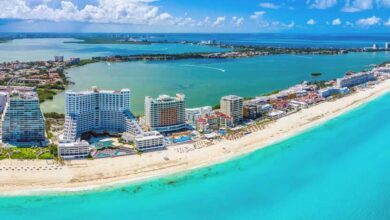

A trip to Mexico City can be an unforgettable experience for travelers interested in history, culture, food, art, and urban life. This Mexico City Travel Guide from Sepehran Blog will help you get familiar with the city’s top attractions, best neighborhoods, transportation options, hotels, restaurants, and practical travel tips before your journey.
You can also browse all destination travel guides for domestic and international destinations.
Mexico, or the United States of Mexico, is a vast country located in North America. The population of this country reaches about 120 million people, for whom no official language has been defined. Spanish language is used as a single language in the organizations and offices of this country. It is interesting to know that in the past years, this country has registered 62 native Redskin language in the list of national languages and recognized them. The currency of this country is the peso. It is better to know that the culture of Mexico today has nothing to do with its 23,000-year-old civilization, and we are facing a mixed culture. Finally, the people of Mexico today live with a mix of ancient Zapotec, Tel Tec, Olmec, Maya, Inca, Aztec, African, Spanish, and French civilizations.
Mexico City is the capital and largest city of Mexico. This city is actually located in the federal province of Mexico and forms the largest urban area of the country. Mexico City is located in the middle of the country of Mexico and is geographically classified as Central America. In terms of Mexico’s neighborhood, it should be said that its borders are shared with the United States of America in the north and reach the Pacific Ocean from the south and west. The southeastern borders of this country are also shared with Guatemala and Belizo, and the eastern borders with the Gulf of Mexico. In terms of the size of Mexico, it is the third largest country in Latin America and is actually the second economic pole of this continent.
There is no single best time to visit Mexico City for every traveler, because the ideal season depends on your travel style and personal preferences. Some visitors prefer warm and sunny days for sightseeing, while others may choose quieter months with fewer tourists. In general, Mexico City has a mild climate for most of the year, but the dry and rainy seasons can affect your travel experience. Below, we look at what traveling to Mexico City is like in each season.
Spring is one of the best times to visit Mexico City. From March to May, the weather is usually warm and pleasant, making it a good season for walking tours, visiting museums, exploring parks, and enjoying outdoor attractions.
Early spring is generally drier, while rainfall may gradually increase toward the end of the season. This period is also a beautiful time to visit the city’s green spaces, such as Chapultepec Park, and enjoy the lively atmosphere of Mexico City.
Summer in Mexico City usually coincides with the rainy season. Rain is more common during this time, especially in the afternoon or evening, but mornings can still be suitable for sightseeing and city exploration. Despite the rain, summer can be a pleasant time to visit Mexico City if you plan your activities carefully. Museums, galleries, restaurants, markets, and cultural events make the city enjoyable even on rainy days.
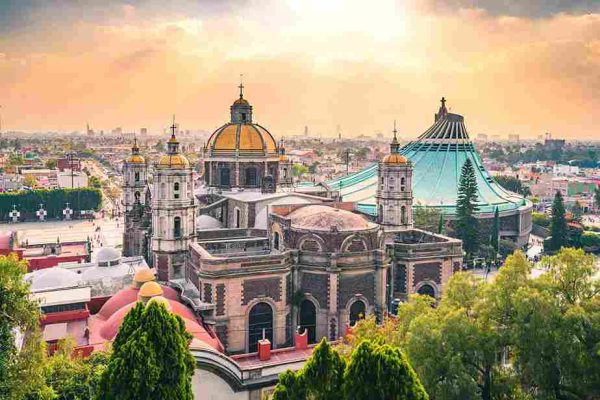
Autumn can be a very pleasant time to visit Mexico City. From September to November, the weather gradually becomes milder, and rainfall usually decreases compared to the summer months. This makes the season suitable for sightseeing, walking around historic neighborhoods, visiting museums, and exploring outdoor attractions.
Another advantage of traveling to Mexico City in autumn is the cultural atmosphere of the city. Events and seasonal celebrations, especially around Día de los Muertos, give visitors a chance to experience one of the most meaningful and colorful traditions in Mexican culture.
Winter is also a good time to travel to Mexico City, especially for travelers who prefer cooler weather and drier days. From December to February, the city usually has mild daytime temperatures, while mornings and evenings can feel cooler. This season is suitable for visiting museums, historical landmarks, markets, restaurants, and cultural attractions. Since Mexico City does not have the harsh winter conditions found in some mountainous regions, it remains an active and enjoyable destination during the winter months.
The cost of traveling to Mexico City includes the cost of accommodation, food, transportation, tourist entertainment, and the amount of these costs is completely according to your taste. If you prefer an economic trip, you can stay in lower-class hotels and go to cheaper local restaurants. But if luxury travel is your choice, the travel costs will be different.
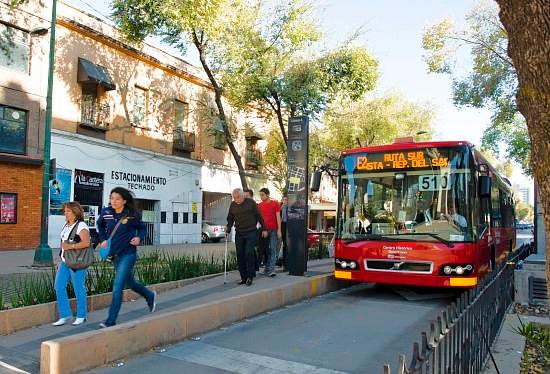
If transportation costs are important to you in Mexico city, the bus is the best way to travel long distances. In addition to the bus, you can also use the Subway to get around, and you can also use the Uber online service system.
Compared to some other capitals, Mexico city generally has more affordable food costs. Street food is often available at a very reasonable price. By shopping at street stalls, you can get a daily meal for around 240 pesos or less. Of course, the price of food may vary depending on the type of food and its region. In the case of fast food like McDonald’s, the cost of a full meal is around 75 to 85 pesos.
It should be noted that these prices are approximate and may vary depending on the region, restaurant and type of food. Also, exchange rates and market changes can have an effect on prices.
If you are looking for traditional, modern, natural and historical attractions that you can experience in one trip, we recommend you a trip to Mexico City. Below we introduce some of the popular attractions of this capital.
|
Attraction |
Location |
Description |
| Historic Center and Zócalo | Centro Histórico, Cuauhtémoc, Mexico City | The historic heart of Mexico City, known for Zócalo Square, colonial buildings, the Metropolitan Cathedral, and major cultural landmarks. |
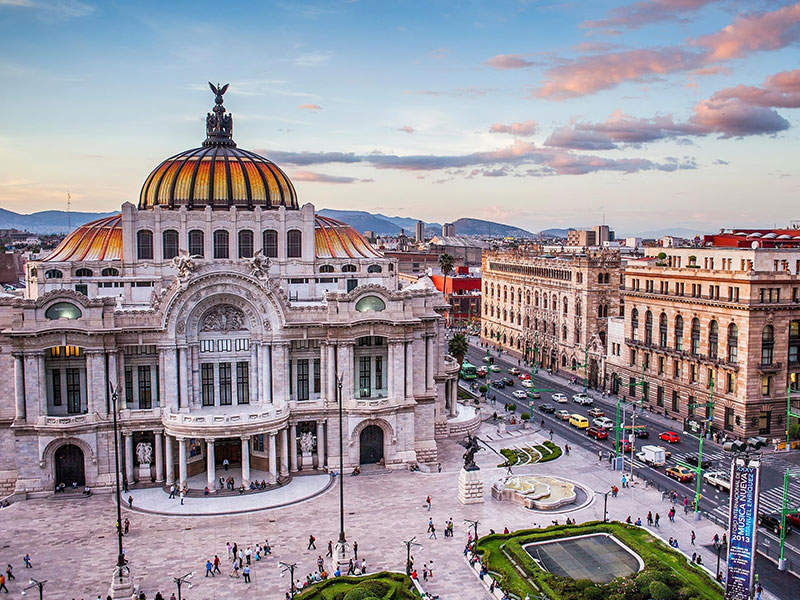
| Palacio de Bellas Artes | Centro Histórico, near Alameda Central, Mexico City | A famous cultural landmark known for its impressive architecture, murals, exhibitions, and performing arts events. |
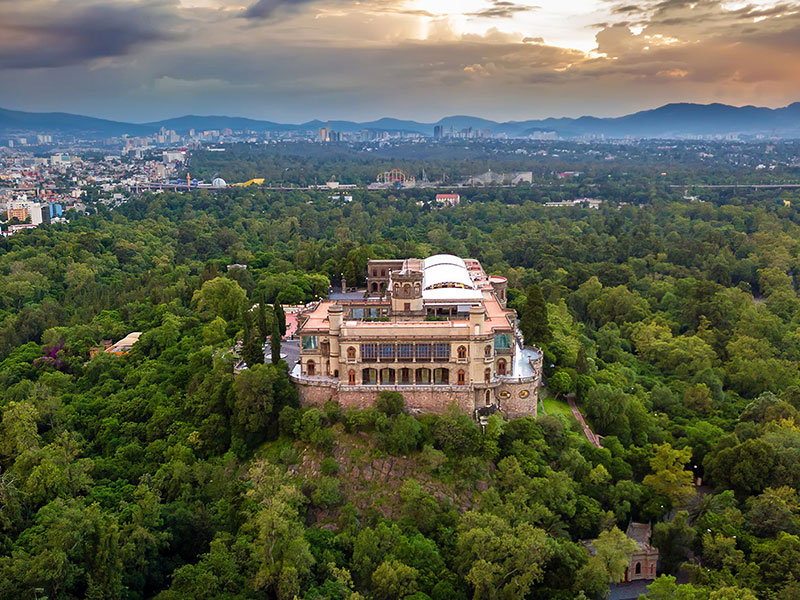
| Chapultepec Park | Miguel Hidalgo, Mexico City | One of the city’s largest urban parks, home to museums, gardens, walking paths, and Chapultepec Castle. |
| National Museum of Anthropology | Chapultepec area, Miguel Hidalgo, Mexico City | One of Mexico’s most important museums, featuring archaeological and cultural collections from ancient civilizations. |
| Frida Kahlo Museum | Coyoacán, Mexico City | Also known as Casa Azul, this museum presents the life, home, and artistic world of Frida Kahlo. |
| Xochimilco | Southern Mexico City | A colorful canal district famous for traditional trajinera boat rides and a lively local atmosphere. |
| Coyoacán Neighborhood | Coyoacán, Mexico City | A historic and cultural neighborhood with colorful streets, local markets, traditional squares, and museums. |
| Roma, Condesa, and Polanco | Central and western Mexico City | Popular neighborhoods known for restaurants, cafes, nightlife, parks, galleries, luxury hotels, and modern city life. |
After exploring Mexico City, the beautiful capital of Mexico, you may want to discover more of this fascinating country. Mexico is home to many other remarkable destinations, from ancient ruins and colonial towns to coastal landscapes, cultural cities, and natural wonders. If you have more time during your trip, it is worth getting familiar with other tourist attractions in Mexico and planning a visit to different parts of the country after your stay in Mexico City.
|
Attraction Name |
Location |
Approximate Distance from Mexico City |
Short Description |
| Santa Cruz Xoxocotlán | Near Oaxaca City, Oaxaca | About 460–470 km by road | A town near Oaxaca City known for local culture, traditions, and its connection to the Oaxaca region. |
| Historic Center of Oaxaca and Monte Albán | Oaxaca City and Monte Albán, Oaxaca | About 460 km to Oaxaca City; Monte Albán is around 9–10 km from Oaxaca City | A UNESCO-listed cultural area combining colonial architecture and one of Mexico’s most important archaeological sites. |
| Las Pozas, Xilitla | Xilitla, San Luis Potosí | About 340–420 km by road, depending on the route | A surreal sculpture garden surrounded by tropical nature in the Huasteca region. |
| Cancun Underwater Museum of Art / MUSA | Cancún and Isla Mujeres, Quintana Roo | About 1,285–1,300 km by air to Cancún | An underwater museum with sculptures placed beneath the Caribbean Sea. |
| Balandra Beach | Near La Paz, Baja California Sur | About 1,290 km by air; much farther by road and ferry | A scenic beach area known for calm turquoise water and desert-coastal landscapes. |
| El Arco, Los Cabos | Cabo San Lucas, Baja California Sur | About 1,250 km by air to Cabo San Lucas | A famous natural rock arch located at the southern tip of the Baja California Peninsula. |
| El Castillo / Pyramid of Kukulcán | Chichén Itzá, Yucatán | About 1,300 km by air; around 1,600 km by road | One of the most iconic Maya pyramids and the central landmark of Chichén Itzá. |
Mexico is a country with a rich history and culture, and holding various festivals and events throughout the year is an important part of the life and charm of this country. Next, we name 6 famous festivals in Mexico:
Traveling to Mexico City and staying in one of its hotels can be a pleasant and memorable experience. The city offers a wide range of accommodation options, from luxury hotels and boutique stays to budget-friendly hostels and apartments. The best area to stay in Mexico City depends on your travel style, budget, and the attractions you want to visit.
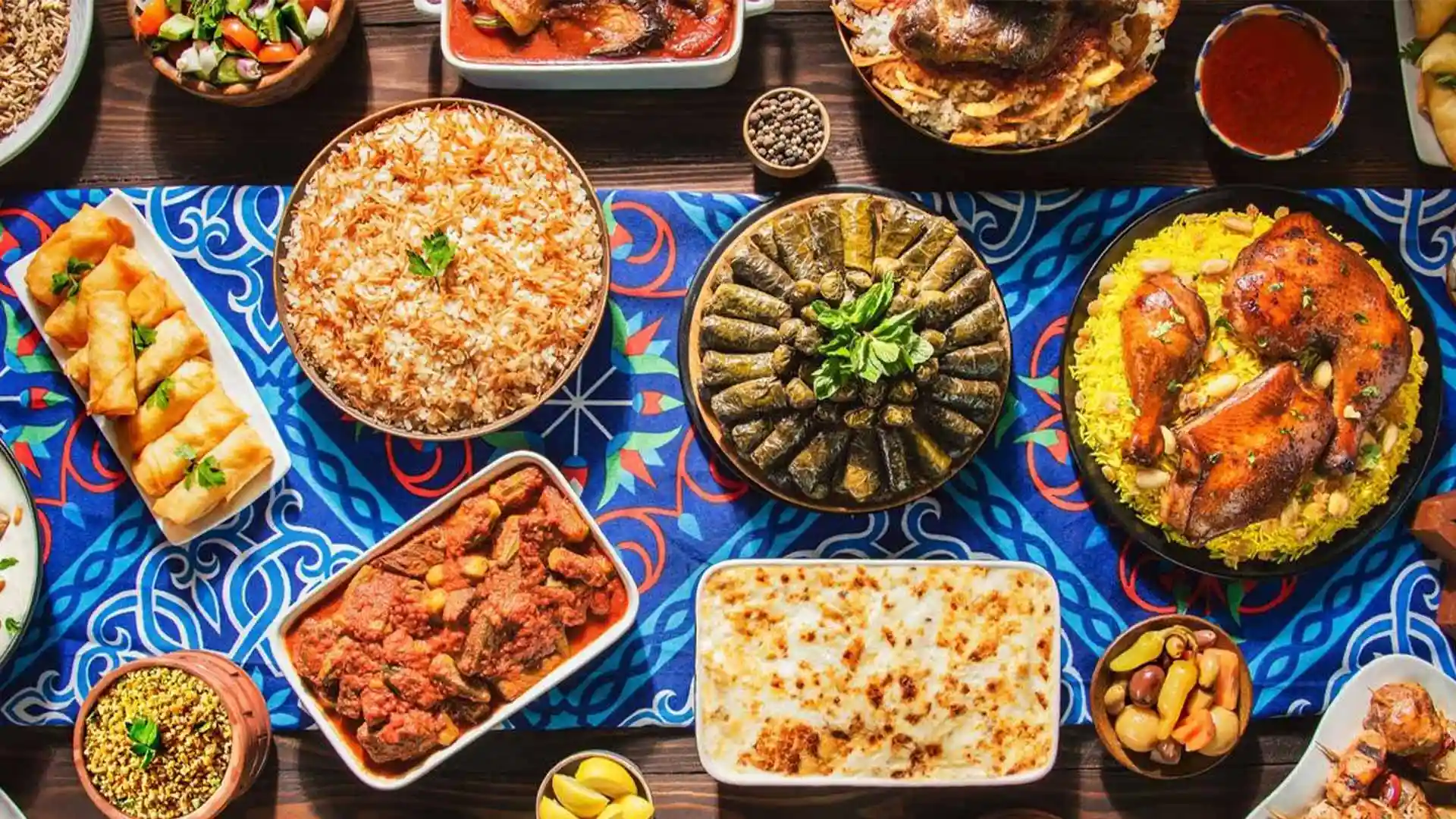
It is possible that when you hear the name of Mexico, you may refer back to your memories and remember Zorro and spicy Mexican food. Next, I will mention some popular Mexican dishes:
Mexico City International Airport is one of the main airports in Mexico. The supervision and management of this airport is done by one of the Mexican government companies. You may also hear the name of Mexico City International Airport as Benito Juarez Airport. In any case, what is important is the importance and fundamental role of this airport in the air transportation of Mexico.
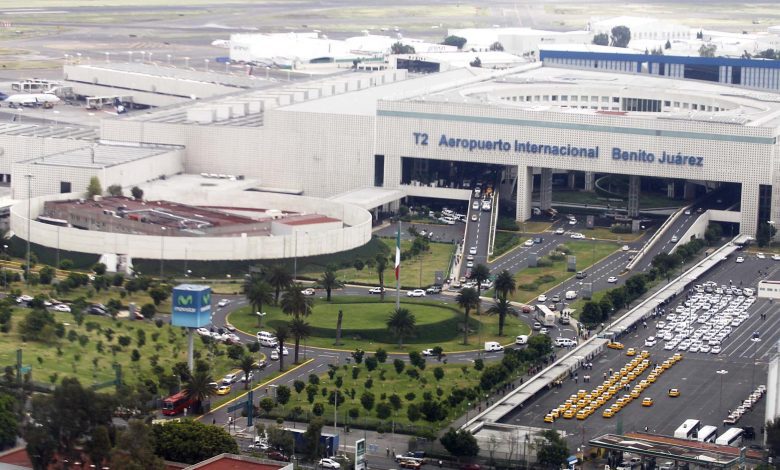
Before the construction and opening of the Mexico City International Airport, there was an air site in that area that was used for flights and air travel. The activity of this aerial site was official since 1910. After the Mexico City airport was built, the first flight from Mexico and Latin America was made by Albert Bernief.
Over time, this aerial site expanded and gained more features. For example, in 1915, it resumed operations with five runways and was used for larger purposes. The first foreign route through which the flights of this airport operated was the route that ended from Los Angeles International Airport to Mexico City Airport. Today, more than 30 domestic and foreign airlines and 17 freight companies are operating through this airport.
According to statistics, an average of 100,000 passengers per day travel to more than 100 domestic and foreign destinations through this airport.
Applying for a Mexican visa might vary depending on the purpose of your trip (such as tourism, work, or study) and the intended duration of your stay. Following is some general information about the Mexican tourist visa:
Please note that this information might change, and it’s always a good idea to contact the Mexican embassy or consulate in your country before applying for a visa to get the most recent updates.
If you are planning to travel to Mexico City, we hope this “Mexico City Travel Guide” has helped you learn more about the city’s travel conditions, best areas to stay, hotels, transportation, costs, food, and top attractions. Before starting your journey, you can also check the Sepehran website to plan your flight more easily.