



Spanish food culture and cooking traditions have been shaped by centuries of migration, trade, and cultural exchange. Throughout history, Greeks, Phoenicians, Romans, Moors, Carthaginians, French communities, and many other groups influenced different parts of Spanish culture. At the same time, the journeys of Spanish sailors to distant regions helped introduce new ingredients, tastes, and cooking methods to the country.
These historical connections are still visible in Spanish cuisine today. From regional seafood dishes and slow-cooked stews to the use of spices, herbs, and local ingredients, Spain’s food culture reflects a rich blend of Mediterranean, Moorish, European, and local traditions. In this article on Sepehran Blog, we explore Spanish cooking traditions and the cultural influences that make them unique.

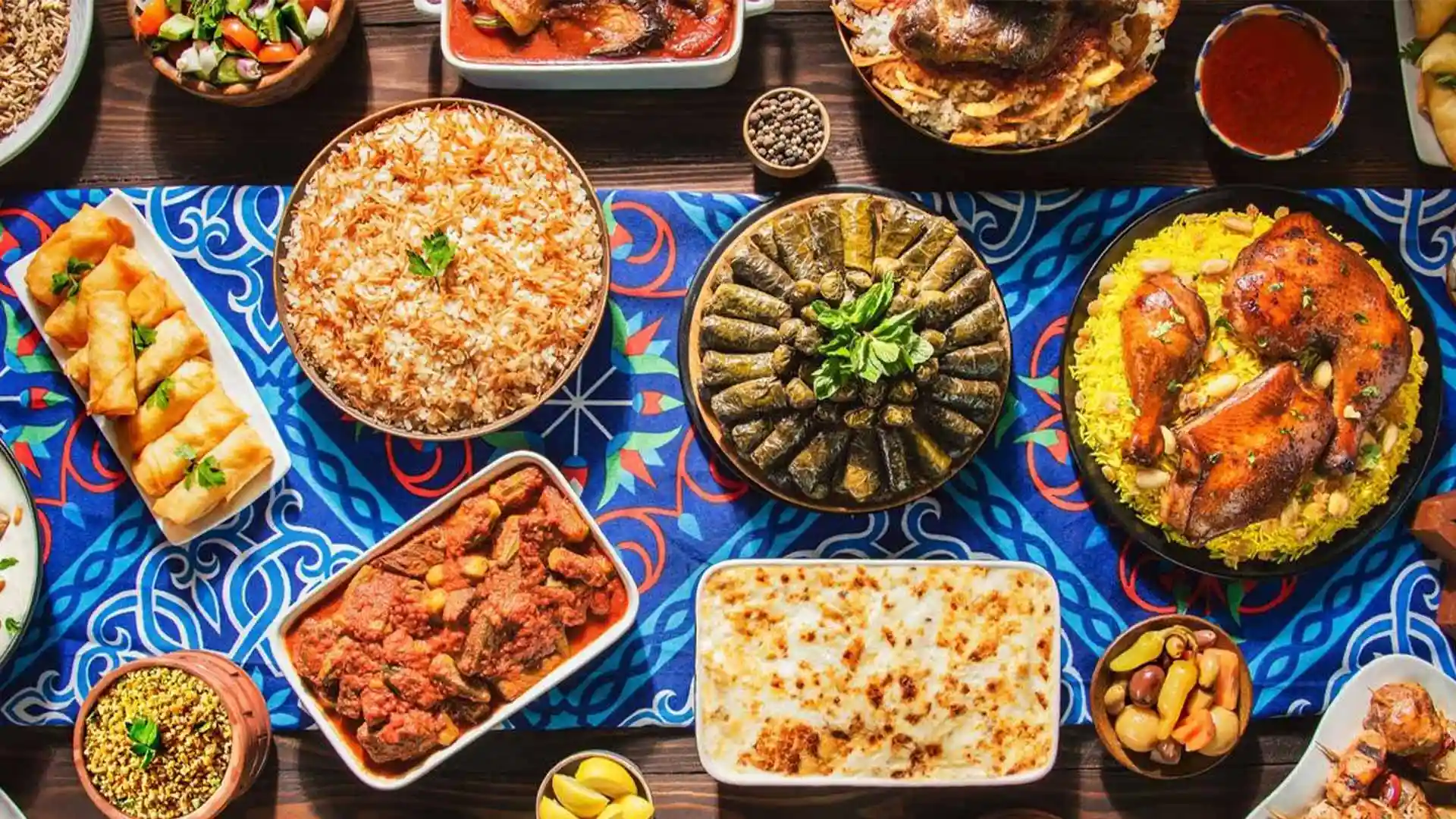
Spain’s food culture has been shaped by geography, history, and cultural exchange. Because the country is surrounded by the Atlantic Ocean and the Mediterranean Sea, seafood plays an important role in many Spanish regions, especially in coastal areas. At the same time, centuries of interaction with North African and Moorish cultures have added warm spices, aromatic herbs, and rich flavors to parts of Spanish cuisine, particularly in the south.
In southern Spain, ingredients and seasonings such as cilantro, cumin, black pepper, olive oil, fish, and seafood are commonly used in many local dishes. For Iranian travelers, some of these flavors may feel familiar, especially when compared with the spicy seafood dishes of southern Iran. While Spanish, Moroccan, and Iranian cuisines each have their own unique identity, they share certain flavor patterns through the use of herbs, spices, seafood, and slow-cooked meals.
This connection does not mean the cuisines are the same, but it shows how food traditions can reflect history, trade, migration, and cultural contact. These shared elements make Spanish cuisine more approachable and enjoyable for travelers who are already familiar with Middle Eastern and Mediterranean flavors.
Read More from Spain:
5 Popular Spanish Foods You Must Try in Spain
In central regions of Spain, such as Madrid, traditional dishes are often based on meat, legumes, and slow-cooked stews rather than seafood. One of the best-known examples is Cocido Madrileño, a hearty stew made with meat, vegetables, chickpeas, and broth. For Iranian travelers, this dish may feel somewhat familiar because of its similarity to Abgoosht, although the broth is not always eaten in the same way.
Another traditional dish is Escudella i Carn d’Olla, which is especially popular in Catalonia. It is usually prepared with meat, chickpeas, white beans, carrots, leeks, and other local ingredients. Like Abgoosht, the broth and solid ingredients may be served separately, creating a warm and filling meal. However, the final serving style and seasoning are different, giving the dish its own Spanish identity.
These dishes show how regional Spanish cooking traditions can vary from one area to another. While coastal regions often focus on seafood, central and northeastern parts of Spain are known for hearty stews, legumes, and meat-based meals that reflect the country’s diverse food culture.
Different regions of Spain have developed their own culinary identities, shaped by local ingredients, geography, and cultural influences. In northern areas such as the Basque Country and Navarra, for example, French culinary influence can be seen in some cooking methods, food presentation, and regional menus.
Spanish cuisine is also known for its regional variety, which makes it easier for travelers to find dishes that feel familiar while still experiencing something new. In the northwestern parts of Spain, traditional dishes often include seafood, meat, and simple local ingredients. Compared with southern Spanish cuisine, these dishes usually rely less on strong spices and more on the natural flavor of the ingredients.
This regional diversity is an important part of Spain’s food culture. From seafood-based meals in coastal areas to meat dishes and local specialties in the north, Spanish cooking traditions show how history, geography, and cultural exchange have shaped the country’s cuisine.