

Ramadan is experienced differently from one country and community to another, but iftar often carries the same sense of anticipation: families and friends gathering around a table after sunset, familiar dishes returning for another year, and recipes being shared across generations. Ramadan iftar recipes are therefore about much more than what is served after a day of fasting; they offer a window into the food traditions of the Arab world, from Saudi rice dishes and Levantine specialties to Egyptian comfort food, Ramadan sweets, and drinks prepared especially for the season. In this guide, FlySepehran Blog explores those traditions through dishes you can understand, taste, and recreate wherever you live.
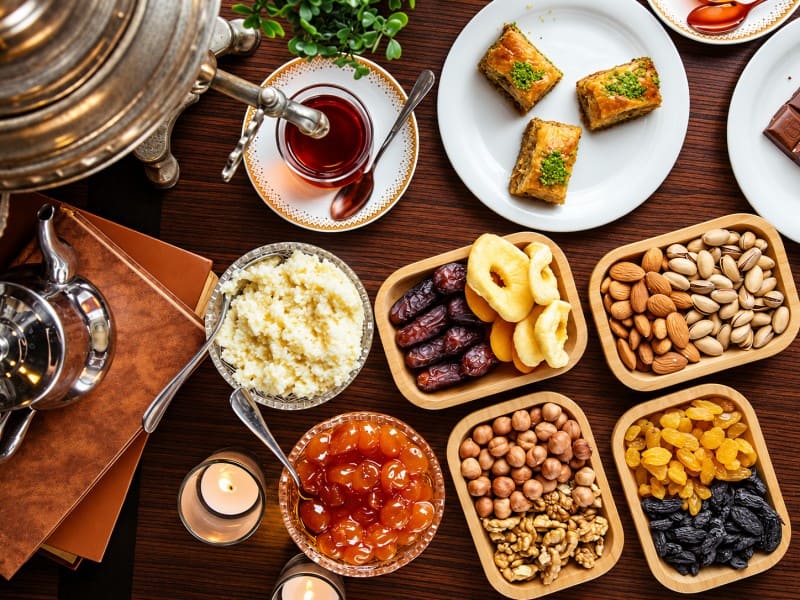
Iftar is the meal that marks the end of the daily fast at sunset during Ramadan, but its meaning extends far beyond food. Across Muslim communities, it is closely associated with gathering, hospitality, charity, and the rhythm of family life during the holy month. In 2023, UNESCO added the socio-cultural traditions of Iftar (also known as Iftar/Eftari/Iftar/Iftor) to its Representative List of the Intangible Cultural Heritage of Humanity, recognizing the role these gatherings play in strengthening family and community ties and encouraging solidarity and social exchange.
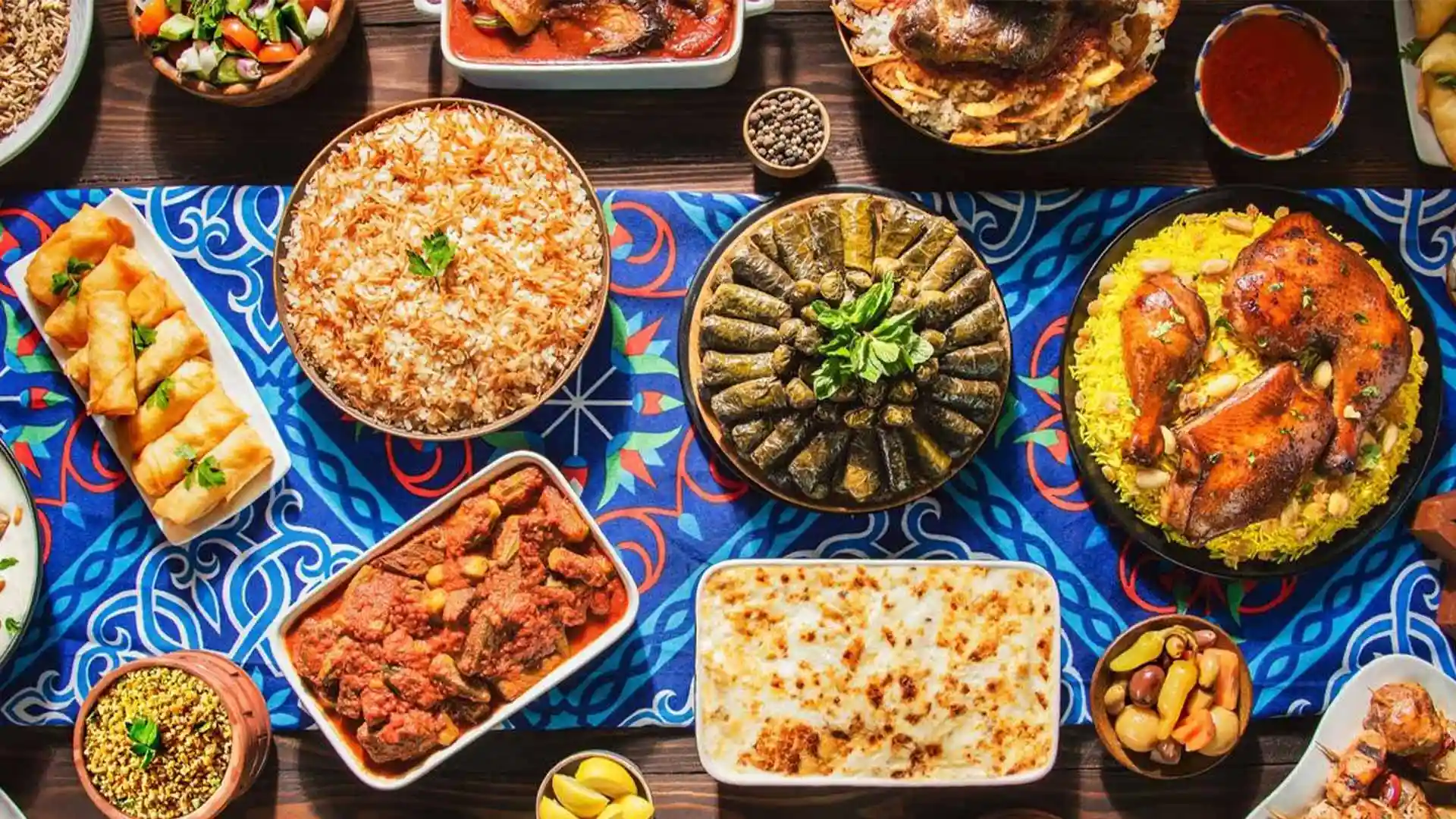
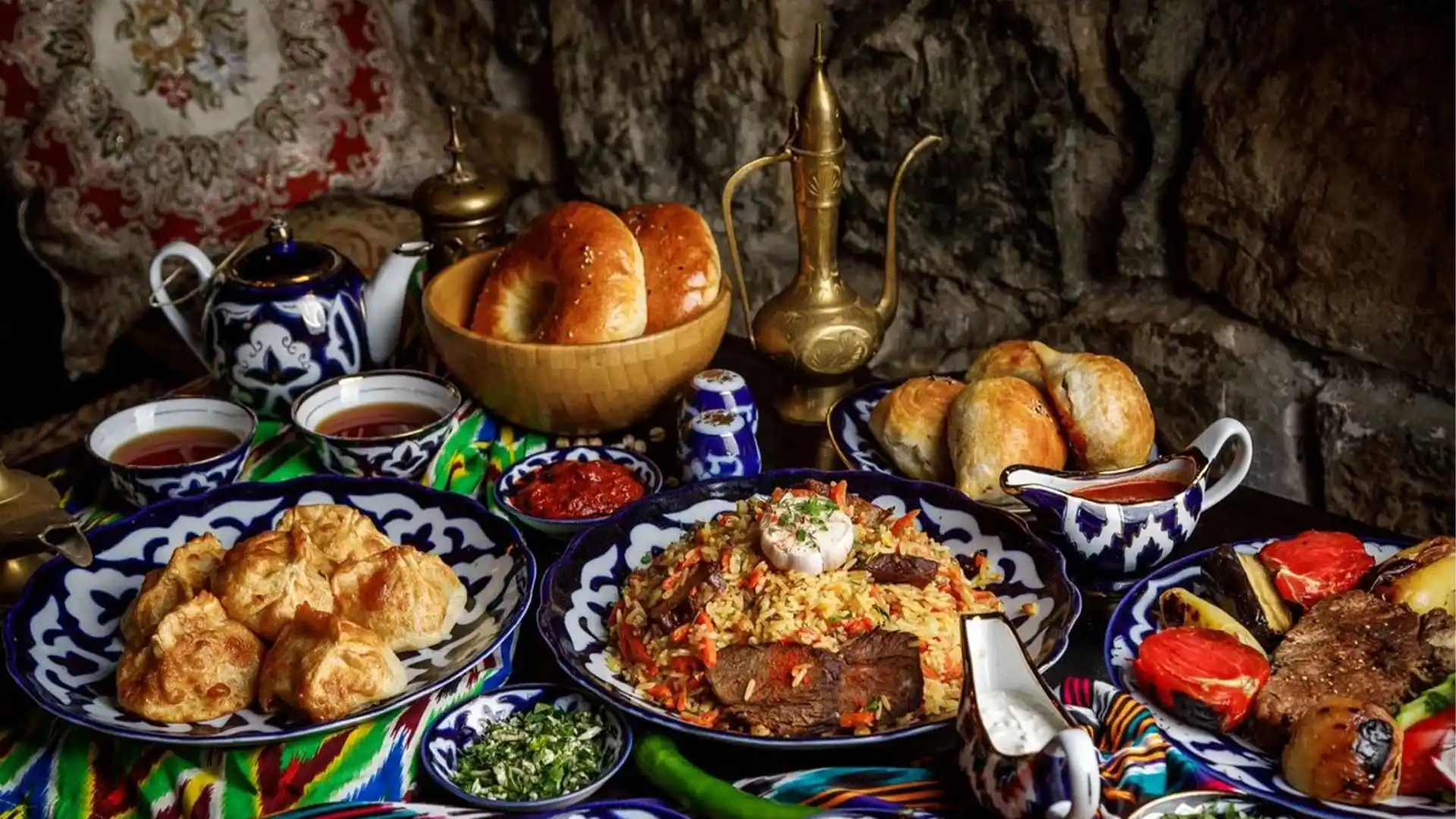
For someone encountering Ramadan for the first time, an iftar table may seem remarkably varied. Dates and water often appear at the beginning of the meal, but what follows depends heavily on where you are. A table in Saudi Arabia may include Arabic coffee, soup, samboosa, and local sweets, while a family elsewhere in the Arab world may serve lentil soup, rice dishes, stuffed vegetables, bread, or regional drinks. Even within a single country, Ramadan food traditions can change from one city or family to another.
For Arab families living outside their countries of origin, these foods can take on an additional role. Preparing familiar dishes in London, Toronto, Berlin, Sydney, or elsewhere can become a way of recreating the atmosphere of Ramadan at home and maintaining a connection with family traditions across borders. At the same time, iftar can be remarkably open to outsiders: friends, neighbors, colleagues, and guests who are not fasting may still be invited to join the table. In that sense, understanding iftar through food also offers non-Muslim readers a way to encounter Ramadan as a living social tradition rather than only a religious observance. 🌙
Join the FlySepehran blog and be a guest at the Iftar table of global culinary cultures.
Few dishes capture the idea of a shared Saudi table as clearly as Kabsa. Made with spiced rice and usually chicken or meat, it is one of the most recognizable dishes in Saudi cuisine and is commonly served at family gatherings, celebrations, and when welcoming guests. Traditionally, Kabsa may be presented on a large platter for several people to share, which makes the dish as much about hospitality and togetherness as it is about flavor.
During Ramadan, that sense of sharing gives Kabsa a natural place on the iftar table. It is not a dish eaten only during the holy month, but its generous format works particularly well when extended families or guests gather after sunset. Across Saudi households, recipes vary: some families prepare it with chicken, others with lamb or other meats, and spice combinations differ from one kitchen to another.
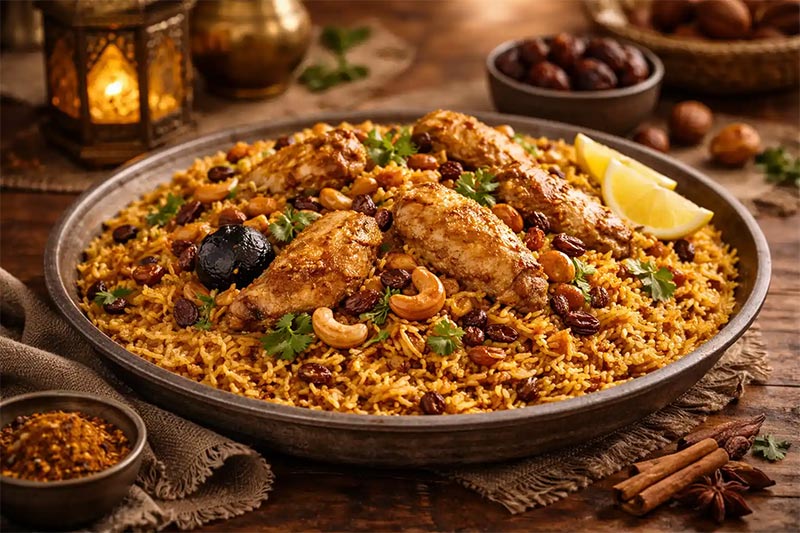
The foundation is long-grain rice cooked with chicken or meat and aromatic spices. Common seasonings include cardamom, cinnamon, cloves, coriander, cumin, bay leaves, and dried black lime (loomi), while tomatoes and onions help create the savory base. Raisins, almonds, or pine nuts may be added when the dish is served.
Kabsa is traditionally prepared as a one-pot dish, allowing the rice to absorb the seasoned cooking liquid from the chicken or meat. Depending on the recipe, the chicken may then be browned or grilled before being arranged over the rice. The finished dish is often brought to the table on a large platter, sometimes with a spicy tomato sauce such as daqous or shatta on the side.
What makes Kabsa especially interesting for someone discovering Arab food culture is not a single “authentic” recipe, but the way one basic combination – rice, meat, spices, and shared serving- can take on different forms from family to family. At iftar, that communal character matters just as much as the dish itself. 🌙
Few dishes turn serving dinner into a moment of anticipation quite like Maqluba. Popular across the Levant, especially in Palestinian and Jordanian households, the dish takes its name from the Arabic word for “upside down.” Rice, meat, and vegetables are layered in a pot, cooked together, and then inverted onto a large serving platter just before the meal begins.
That dramatic final turn is part of Maqluba’s appeal at family gatherings and festive meals. During Ramadan, when several generations may sit around the same iftar table, the dish works naturally as a centerpiece: it is generous, designed for sharing, and visually reveals its layers only at the moment it is served.
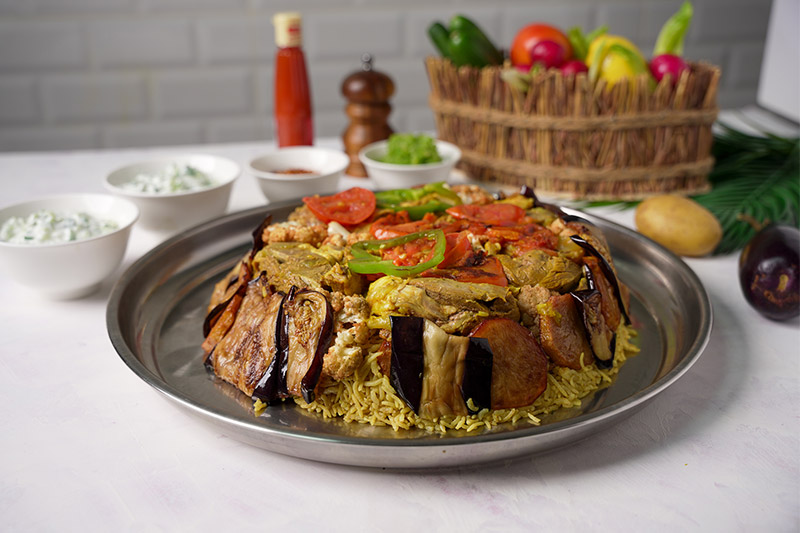
The basic combination usually includes rice, chicken or lamb, and vegetables such as eggplant, cauliflower, or potatoes. Cinnamon, cardamom, allspice, black pepper, and other warm spices may be used to season the meat and cooking broth. Recipes vary considerably between regions and families, so there is no single version that defines the dish.
The meat is generally cooked first to create a seasoned broth, while the vegetables are fried or roasted separately. The vegetables, meat, and rice are then layered inside one pot and cooked slowly together. Once the rice has absorbed the broth and the layers have settled, the entire pot is carefully turned over onto a platter, revealing the structure that gives Maqluba its name.
Maqluba is often served with yogurt or a simple cucumber-and-tomato salad, but its cultural significance lies less in the side dishes than in the way it arrives at the table. The act of flipping and sharing it transforms an everyday combination of rice, vegetables, and meat into a communal ritual; one that feels especially at home during Ramadan. 🌙
At first glance, Koshari may seem like an unlikely combination: rice, lentils, pasta, chickpeas, tomato sauce, garlic-vinegar dressing, and crisp fried onions all layered in one bowl. Yet in Egypt, that combination has become one of the country’s most recognizable comfort foods; served everywhere from casual street-food counters to restaurants and family tables.
Koshari is not a Ramadan-only dish, but it fits naturally into the rhythm of iftar. It is filling, inexpensive, meat-free, and easy to prepare in large quantities, which makes it especially practical when several people are eating together. For families, students, workers, and community iftars, it can offer the kind of generous, straightforward meal that suits the social character of Ramadan.
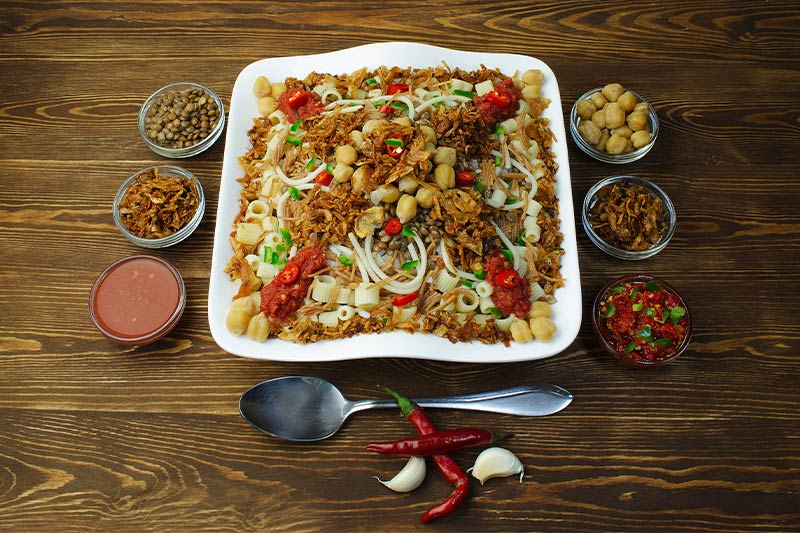
The classic Egyptian version combines rice, brown lentils, pasta, and chickpeas. It is topped with a seasoned tomato sauce and crispy fried onions, while daqqa or Da’Ah Sauce —a sharp mixture usually made with garlic and vinegar—and chili sauce are commonly added according to taste.
Each component is generally prepared separately before being assembled in layers. The lentils and rice form the base, pasta and chickpeas add body, and the tomato sauce brings everything together. Fried onions provide the final crunch, while daqqa and chili allow each person at the table to adjust the acidity and heat to their preference.
Koshari is also a good example of how food traditions rarely develop within neat national borders. Its origins are often linked to Indian khichdi, a rice-and-lentil dish, before the recipe evolved in Egypt with the addition of pasta, chickpeas, tomato sauce, and fried onions. What matters culturally is that Egyptians transformed those influences into something distinctly their own.
For a non-Egyptian reader, Koshari reveals an important side of Ramadan food culture; an iftar dish does not have to be luxurious or ceremonial to carry meaning. Sometimes the foods people return to during Ramadan are the same affordable, familiar dishes they have loved all year—only now eaten around a fuller table. 🌙
In Jordan, Mansaf is far more than a rice-and-lamb dish. It is closely tied to hospitality, major family occasions, and the idea of bringing people together around one shared platter. UNESCO describes Mansaf as a festive dish of Jordanian social and cultural events, where its preparation and serving express generosity, identity, and social cohesion.
Although Mansaf is not exclusive to Ramadan, its communal nature makes it especially meaningful at larger iftar gatherings. A single platter can be shared by several people, turning the meal into a social experience rather than a collection of individual plates. In that sense, Mansaf reflects one of the strongest themes of Ramadan food culture: eating together matters as much as what is being eaten.
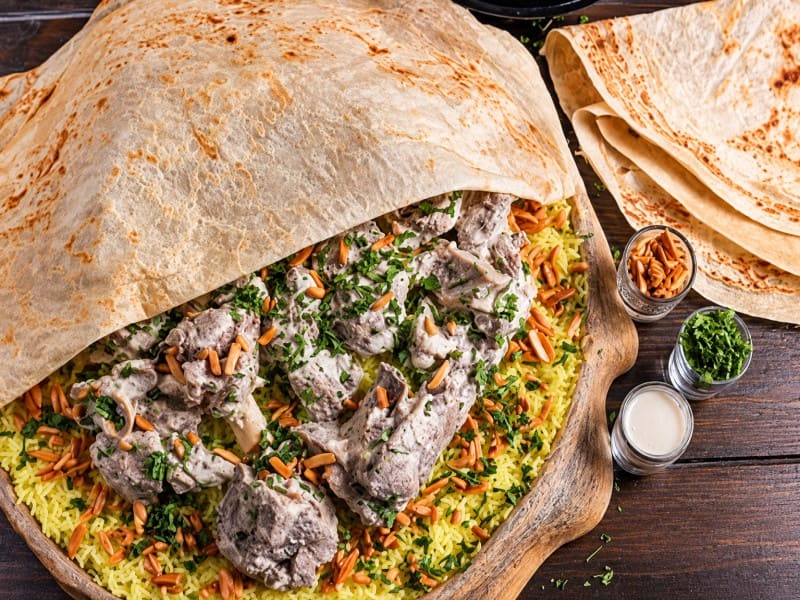
The dish is traditionally made with lamb or mutton cooked in a sauce based on jameed, a dried and fermented sheep’s or goat’s yogurt that gives Mansaf its distinctive tangy flavor. The meat is served with rice or sometimes bulgur over thin flatbread such as shrak, then garnished with nuts such as almonds.
The meat is slowly cooked until tender, while the jameed is rehydrated and turned into a rich yogurt sauce. Rice is prepared separately, then arranged over flatbread on a large platter. The meat is placed on top, some of the yogurt sauce is poured over the dish, and nuts may be added before serving.
What makes Mansaf especially interesting to an outsider is the way the meal extends beyond the recipe itself. UNESCO notes that its preparation is traditionally a social activity, with people cooking together, talking, sharing stories, and passing techniques from one generation to another. Even the way Mansaf is eaten has cultural meaning: traditionally, several guests gather around the same platter and eat with the right hand, although plates and spoons are also common today.
During Ramadan, a dish like Mansaf helps explain why iftar cannot be understood simply as “dinner after fasting.” The table becomes a place where hospitality, family memory, and collective identity are renewed and Mansaf is one of the clearest examples of that tradition in Jordan. 🌙
Explore the rich flavors and traditional dishes of the region in our guide to the best Arabic cuisine.
Ramadan food traditions extend far beyond the Arab world, and Shami Kebab is a good example of how iftar takes on a different character across South Asia. Popular in both India and Pakistan, these soft, pan-fried patties are often served as a snack, starter, or part of a larger meal, especially when several small dishes are placed on the table for everyone to share.
The exact history of Shami Kebab is not entirely clear. It is often associated with the culinary traditions of Lucknow and the wider Indian subcontinent, while other stories connect its name to Sham, an old term for Syria. What is clear is that the dish became deeply integrated into South Asian food culture and developed its own regional identity over time.
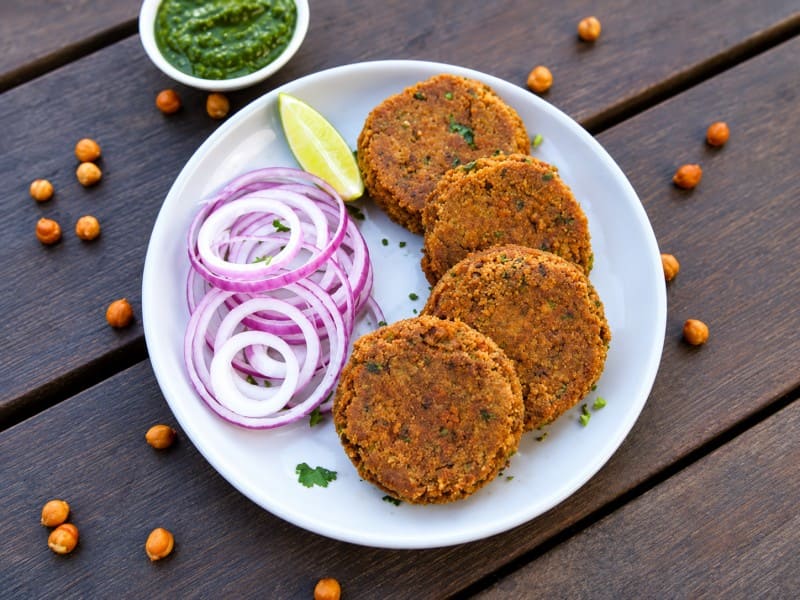
The mixture usually combines minced beef, lamb, mutton, or chicken with split Bengal gram (chana dal), onions, ginger, garlic, chilies, and spices such as cumin and garam masala. Fresh herbs such as mint or coriander may also be added before the mixture is shaped into small patties.
The meat and lentils are cooked together until tender, then ground into a smooth mixture with herbs and spices. The patties are shaped by hand and usually shallow-fried until lightly crisp on the outside while remaining soft inside. They are commonly served with mint chutney, sliced onions, lime, naan, or other breads.
During Ramadan, Shami Kebabs work particularly well because they sit somewhere between a snack and a full dish. They can be prepared in advance, served in small portions, and shared easily around the iftar table. In Pakistani households, they may also appear in sandwiches or bun kebabs, showing how one traditional preparation can move between home cooking, street food, and festive gatherings.
For a reader unfamiliar with South Asian Ramadan traditions, Shami Kebab is a reminder that iftar has no single global menu. The ritual of breaking the fast is shared, but the foods surrounding it change with geography, migration, and family memory. 🌙
Ramadan in West Africa brings its own rhythms, ingredients, and table traditions, and Moi Moi offers a good introduction to the diversity of Nigerian food culture. This savory steamed bean pudding is widely eaten in Nigeria and is especially associated with Yoruba cuisine, where beans and cowpeas have long played an important role in everyday cooking.
Moi Moi is not reserved for Ramadan. It appears at family meals, celebrations, parties, and other gatherings throughout the year. That versatility also makes it well suited to iftar: it can be prepared in portions, served alongside several other dishes, and eaten either as part of a larger meal or on its own. In Nigeria, it may accompany rice dishes, fried plantain, pap, or other familiar foods.
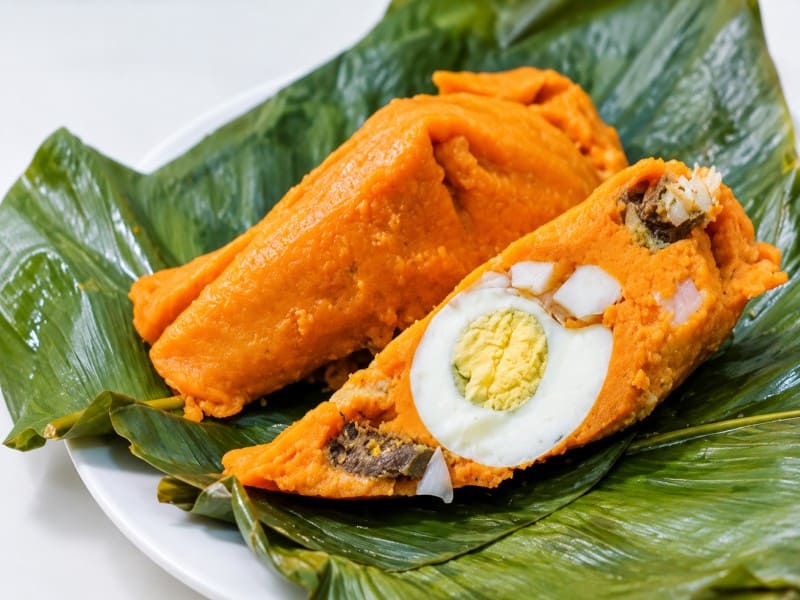
The base is usually peeled black-eyed peas or brown beans blended with onions and peppers until smooth. Common additions include red bell pepper, Scotch bonnet or habanero chili, vegetable or palm oil, seasonings, and sometimes ground crayfish. Depending on the household, boiled egg, fish, or other fillings may be added before steaming.
After the beans are soaked and peeled, they are blended into a smooth batter with peppers, onions, and seasonings. The mixture is then portioned and steamed until firm. Traditional preparations may use leaves as wrappers, while modern kitchens also use bowls, tins, foil, or ramekins.
The preparation itself is part of the dish’s cultural identity. Traditional Moi Moi can take time because the beans must be soaked, peeled, ground, seasoned, wrapped, and steamed. Nigerian food writing has described that labor as one reason the dish carries a sense of care when it appears at celebrations and important gatherings.
For readers discovering Ramadan food culture from outside the Muslim world, Moi Moi shows how the meaning of iftar changes as it moves across regions. The religious rhythm of breaking the fast may be shared, but the table still speaks the language of local ingredients, cooking techniques, and family traditions. 🌙
In Türkiye, few foods signal the arrival of Ramadan as clearly as Ramazan Pidesi. This soft, round flatbread appears in bakeries throughout the holy month, and in many neighborhoods the hours before sunset bring a familiar scene: people lining up to take home a warm loaf just in time for iftar. That small daily ritual has made the bread one of the most recognizable symbols of Ramadan in Turkish food culture.
Unlike the rice dishes and stews that form the center of many iftar meals, Ramazan Pidesi plays a quieter role. It sits on the table alongside soup, olives, cheese, meat dishes, vegetables, and other shared plates, ready to be torn by hand and passed around. Its importance comes less from complexity and more from repetition: for one month each year, the smell of freshly baked pide becomes part of the rhythm of late afternoons and family dinners.
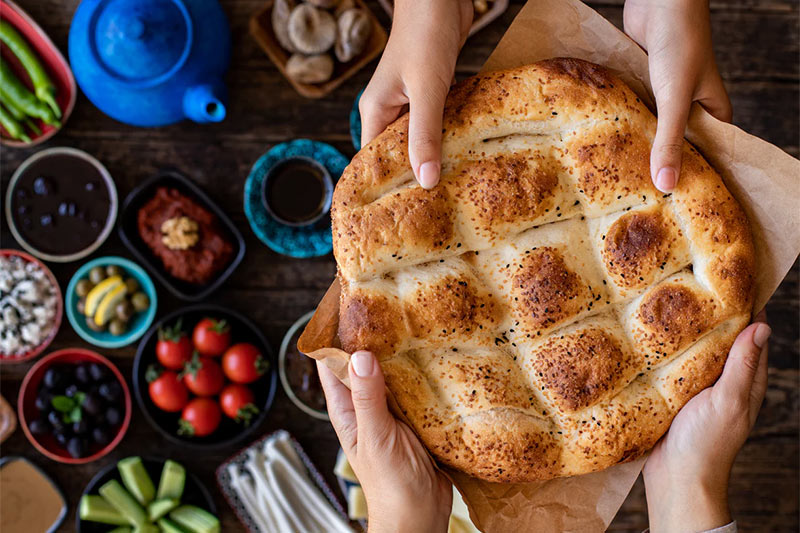
The bread is made from a yeasted wheat dough and is typically shaped into a broad, round loaf. Before baking, the surface is pressed into a distinctive diamond or crisscross pattern and usually finished with sesame and nigella seeds. Recipes differ between bakeries and households, with some versions including milk, egg, or oil for a softer texture.
After the dough rises, it is flattened by hand, patterned with the fingers, topped with seeds, and baked at high heat until the surface turns golden while the interior remains soft and airy. Traditionally, it is bought fresh shortly before sunset rather than prepared days in advance.
What makes Ramazan Pidesi especially revealing for a reader unfamiliar with Ramadan is the role of anticipation. The bread is ordinary in its ingredients, yet extraordinary in timing: people wait for it, carry it home warm, and place it on the table just before the fast ends. In that sense, the ritual around the bread is as important as the bread itself. 🌙🥖
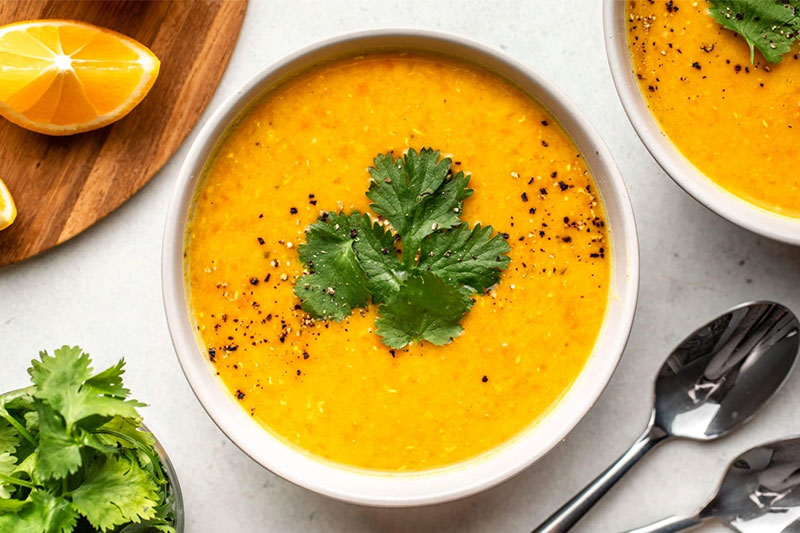
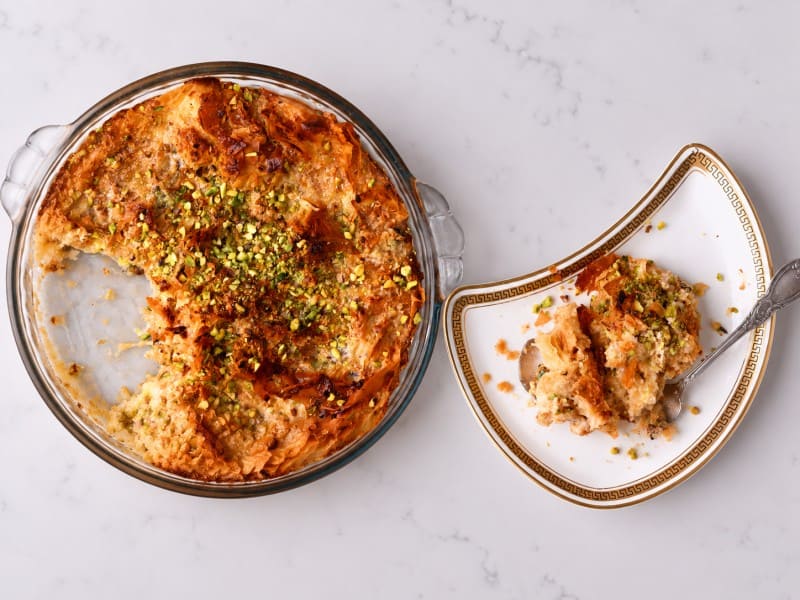
Few desserts create the same combination of texture, aroma, and spectacle as Knafeh. Made with crisp pastry, soft cheese or cream, fragrant syrup, and often a layer of pistachios, it is one of the most recognizable sweets across the Levant and is widely served during Ramadan, celebrations, and family gatherings.
Knafeh exists in several regional forms, which is part of its cultural richness. One of the best known is Knafeh Nabulsiyeh, associated with the Palestinian city of Nablus and traditionally made with a local white cheese beneath a crisp layer of shredded or finely crushed pastry. In Lebanon, Jordan, Syria, and elsewhere, versions may use different cheeses, semolina-based layers, cream, or variations in texture and sweetness.
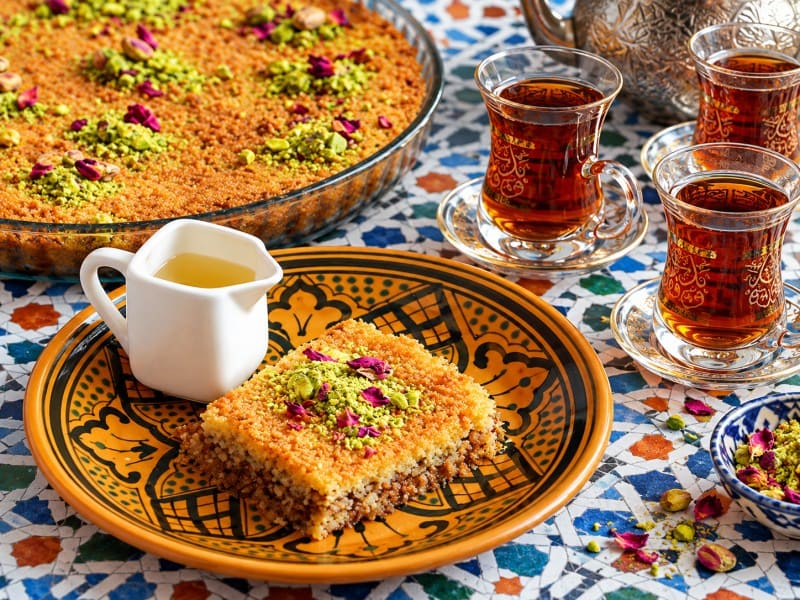
Typical versions combine kataifi pastry or a fine semolina-based crust with soft cheese, butter or ghee, and sugar syrup scented with rose water or orange blossom water. Pistachios are commonly added on top, both for flavor and decoration.
The pastry is layered with cheese or cream and baked until the surface becomes crisp and golden. Once it comes out of the oven, fragrant syrup is poured over it while still hot. It is then cut into portions and served warm, when the contrast between the crisp exterior and soft filling is most noticeable.
During Ramadan, Knafeh often appears later in the evening rather than at the very beginning of iftar. Families may serve it after the main meal with tea or coffee, or buy a large tray from a local pastry shop to share with guests.
For a reader unfamiliar with Arab food culture, Knafeh is a good example of how one dish can belong to an entire region while still carrying strong local identities. The name may stay the same, but the cheese, pastry, texture, and preferred style can change from one city to another—and those differences are often part of the pride surrounding the dessert. 🌙
For many families across the Arab world, Qamar al-Din is one of the flavors most closely associated with Ramadan. The drink is made from sheets of dried apricot paste that are soaked in water until they soften into a thick, golden nectar. It is especially associated with the Levant and Egypt, while versions of it also appear on Ramadan tables across the GCC and other parts of the region.
Its connection to Ramadan is old. Historical references to Qamar al-Din and dried apricot preparations appear in medieval Arabic culinary writing, while the Syrian region of Ghouta became particularly famous for producing the apricots and fruit leather used to make it. Over time, the drink became less about one place and more about a seasonal ritual shared across different Arab communities.
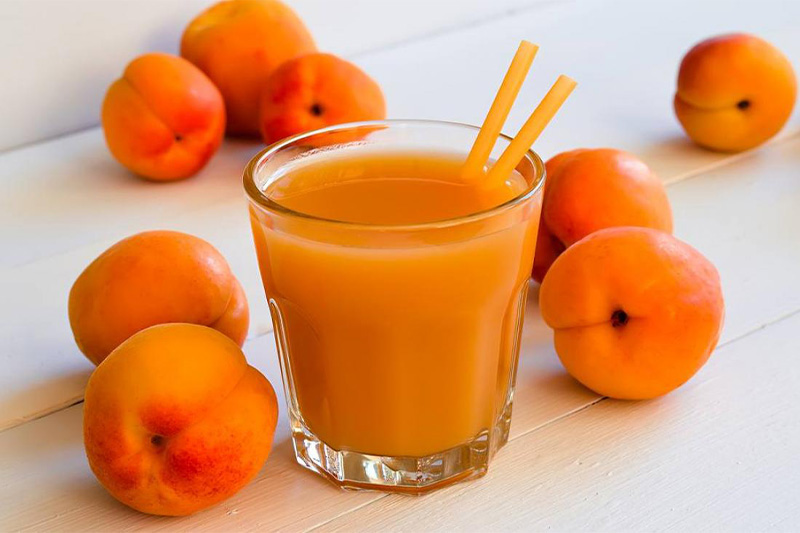
🍑 What goes into Qamar al-Din? The traditional base is dried apricot paste or fruit leather, usually soaked in water and then blended or strained. Sugar may be added depending on the sweetness of the apricots, while orange blossom water or rose water sometimes gives the drink a floral note. It is typically served cold.
With its deep brown color and unmistakable sweet-and-sour flavor, Tamr Hindi is one of the drinks most closely associated with Ramadan in Egypt and the Levant, while it is also part of Ramadan traditions in western Saudi Arabia. During the holy month, it may appear at home, at communal iftars, or from traditional street vendors preparing chilled drinks for the evening.
The name Tamr Hindi literally means “Indian date,” reflecting the long history of the fruit’s movement through trade and food cultures. Tamarind itself is native to tropical Africa, but it became deeply established in India and later across the Middle East, where the Arabic name remained.
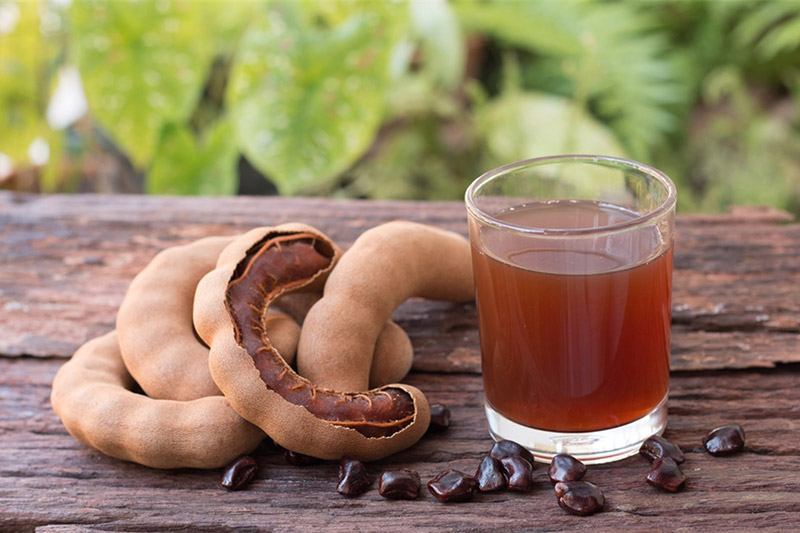
🌰 What goes into Tamr Hindi? The traditional drink is remarkably simple: tamarind pulp or dried tamarind, water, and sugar. Some families add rose water or orange blossom water for a more aromatic version, while the balance between sweetness and acidity varies according to taste.
Sobia is a good example of how a single Ramadan tradition can change dramatically from one Arab country to another. In Egypt, the name usually refers to a sweet, creamy drink made with rice, coconut, milk, and sugar. In Saudi Arabia, especially in the Hijaz region around Makkah, Madinah, and Jeddah, the same name describes a cereal-based drink made from ingredients such as barley, dry bread, oats, or raisins and flavored with spices.
During Ramadan, both versions become part of the visual and social landscape of the month. In Egypt, chilled white Sobia is sold by street vendors and prepared at home for iftar. In western Saudi Arabia, Sobia vendors become especially visible in the hours before sunset, with families buying bottles to take back to the evening table. Saudi sources describe the drink as particularly associated with Ramadan in Makkah, Madinah, and Jeddah.
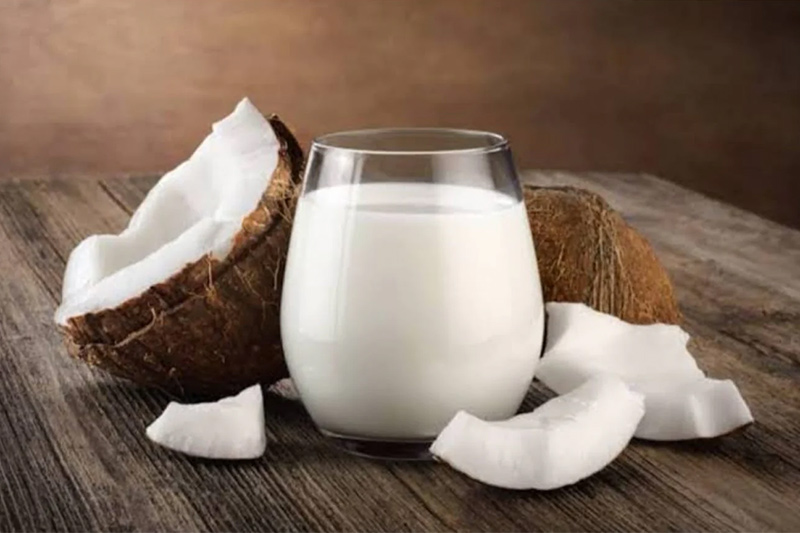
The Egyptian version is usually made with rice, coconut, milk, sugar, and sometimes vanilla. The ingredients are blended and strained to create a smooth, slightly thick drink that is served very cold. It is consumed outside Ramadan as well, but the holy month is when it becomes especially visible in homes and on the streets.
In Saudi Arabia, the drink is quite different. Barley, dry bread, oats, or raisins may form the base, with water, sugar, cardamom, and cinnamon added for flavor. Traditional preparation involves allowing the mixture to rest before it is strained and chilled. White, red, and darker variations can also be found, depending on the ingredients used.
Egyptian Sobia is creamy, coconut-forward, and almost dessert-like, while Hijazi Sobia is more grain-based, aromatic, and closely tied to the street-drink traditions of western Saudi Arabia. They share a name and a strong Ramadan association, but very little else in terms of flavor or preparation.
For a reader discovering Arab Ramadan culture from the outside, that contrast is particularly revealing. “Ramadan food” is not one fixed cuisine. Even a familiar name such as Sobia can tell two very different stories depending on whether you are breaking the fast in Cairo or Jeddah. 🌙
Dark, fragrant, and usually served over plenty of ice, Jallab is one of the drinks most closely associated with Ramadan evenings in the Levant. It is especially popular in Lebanon, Palestine, and Syria, where it may appear on family iftar tables, in restaurants, and at cafés throughout the holy month.
The flavor is built around fruit syrups rather than fresh juice. Traditional versions combine grape molasses or syrup with dates or date syrup and rose water, producing a drink that is sweet, aromatic, and noticeably different from the sharper taste of Tamr Hindi or the fruitiness of Qamar al-Din.
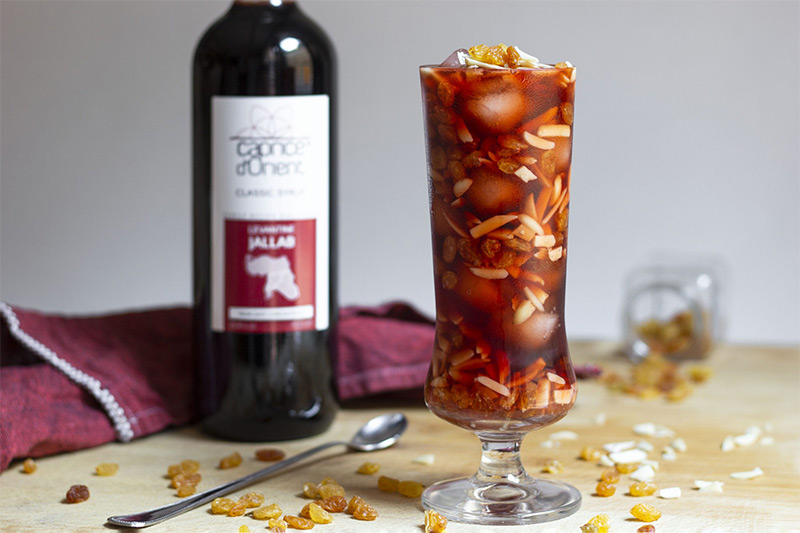
Recipes vary, but the base commonly includes grape molasses or grape syrup, dates or date syrup, rose water, water, and ice. Pine nuts and raisins are frequently added to the glass, giving the drink its distinctive appearance as well as extra texture.
With its deep ruby-red color and pleasantly tart flavor, Karkadeh is one of the most visually distinctive drinks found on Ramadan tables. Made from dried hibiscus calyces, it is especially familiar in Egypt and Sudan, while chilled hibiscus drinks also appear during Ramadan in Saudi Arabia and other parts of the region. In Egypt, the drink has particularly strong associations with Nubian food culture, where hibiscus has been served for generations.
During Ramadan, Karkadeh may be prepared at home in large jugs or sold alongside other seasonal drinks such as Sobia, Tamr Hindi, and Qamar al-Din. In Jeddah, for example, traditional Ramadan food stalls have long included the bright red drink among the beverages people pick up before iftar.
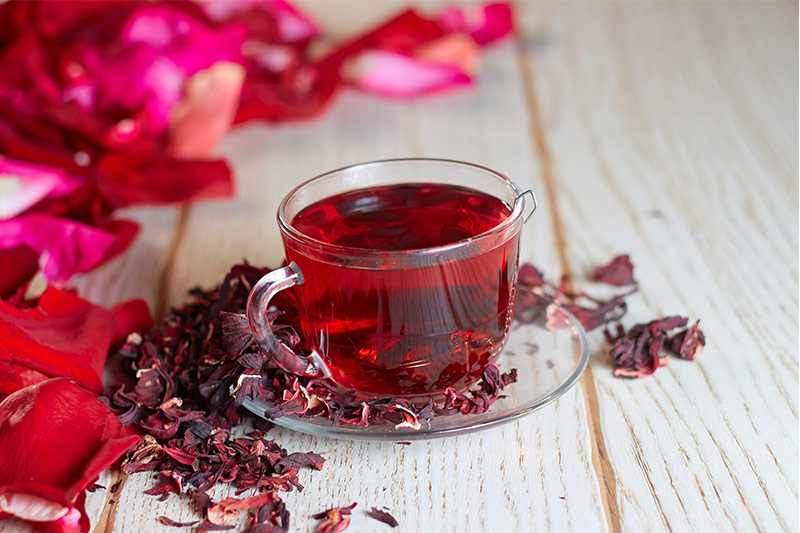
The basic version needs only dried hibiscus, water, and sugar. Some households add rose water, orange blossom water, or other aromatics, but the defining character comes from the hibiscus itself: tart, fruity, and intensely colored.
Sharp, aromatic, and slightly smoky, Noomi Basra offers a completely different flavor from the sweeter Ramadan drinks found elsewhere in the Arab world. In Iraq, the name refers to dried lime, an ingredient widely used in both cooking and drinks. When brewed in hot water, it becomes Chai Noomi Basra, a distinctive sour infusion also found across parts of the Arabian Peninsula.
The name itself tells a story of trade. Dried limes became strongly associated with the southern Iraqi city of Basra, historically one of the Gulf’s most important trading ports. Iraqi culinary sources explain that limes arriving from Oman and other parts of the region passed through Basra, eventually becoming known locally as noomi Basra.
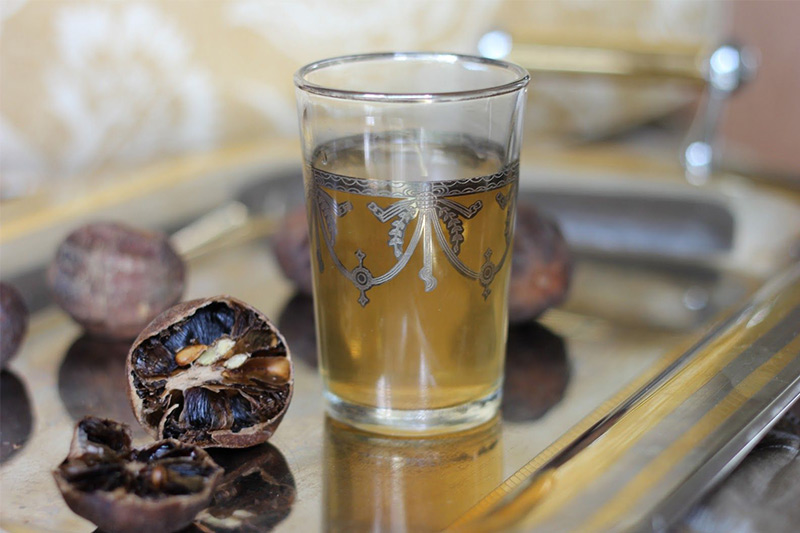
The simplest version uses whole dried limes, water, and sugar. The limes may be pierced or cracked before being simmered so that their sour, aromatic flavor can infuse the water. Some versions add honey, cardamom, cinnamon, or saffron, but the dried lime remains the defining ingredient.
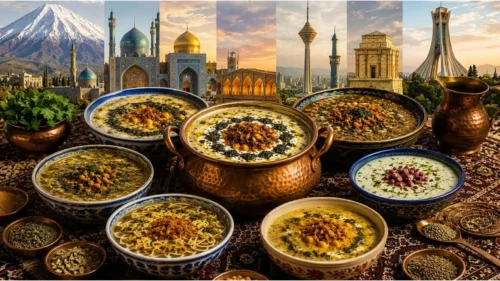
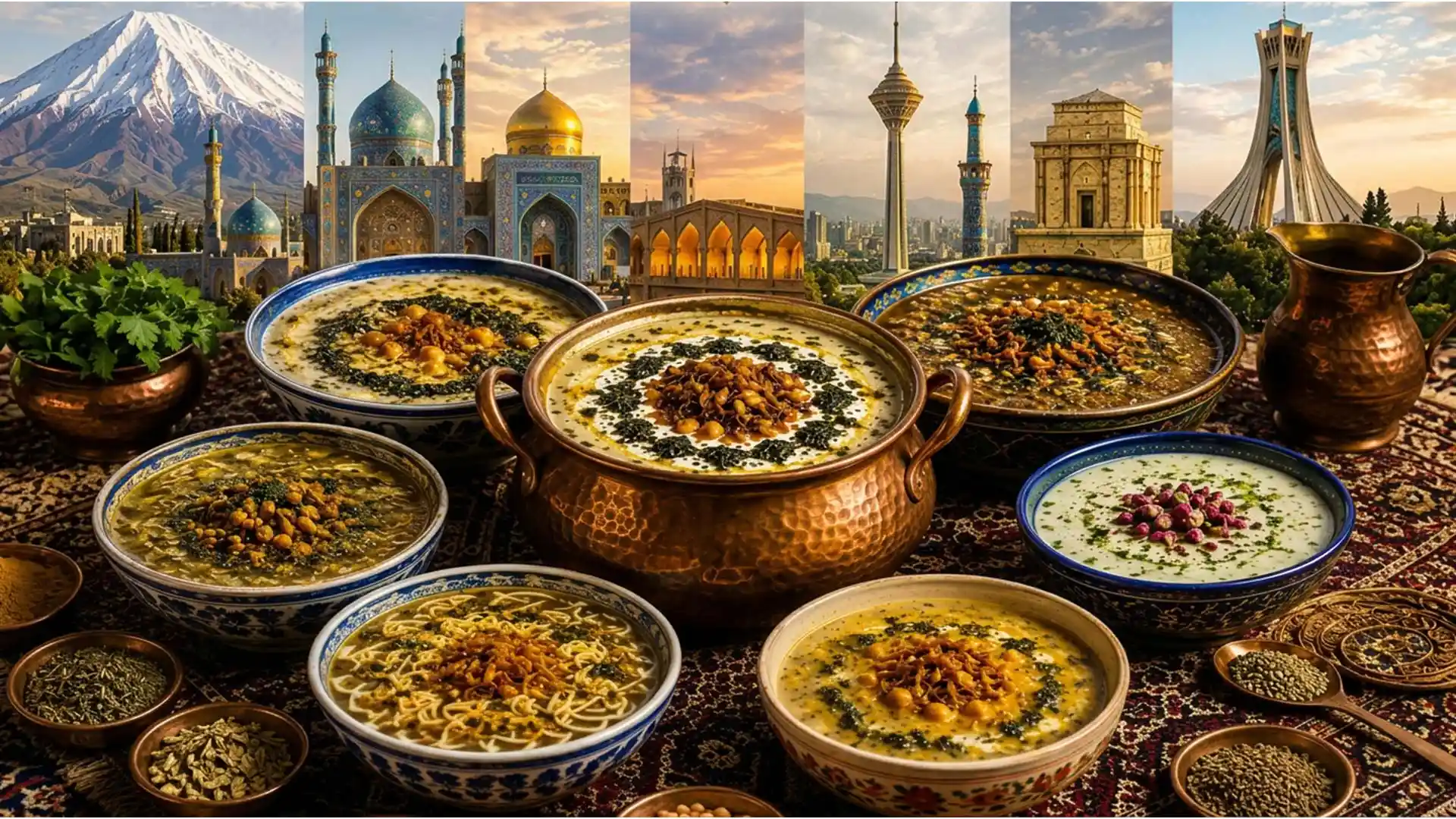
In Iran, Ramadan iftar is not defined by a single dish. Instead, the evening meal is often recognized by a familiar combination of warm soups and *ash*, bread, cheese, fresh herbs, dates, and traditional sweets such as Zulbia and Bamieh. Together, these foods create a table that many Iranian families immediately associate with the month of Ramadan.
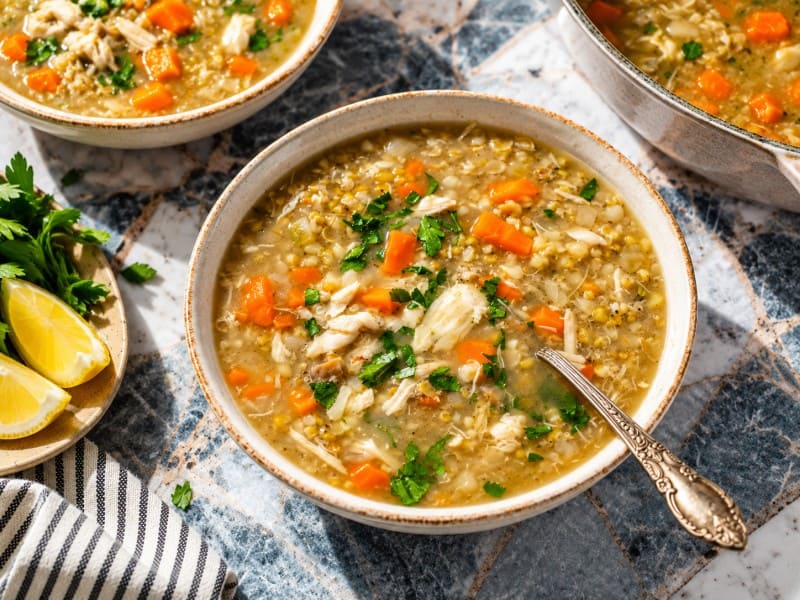
Warm dishes are especially common at the beginning of the meal. Depending on the region and household, this may include a light soup or one of Iran’s many varieties of ash; thick, hearty dishes made with combinations of herbs, legumes, grains, noodles, or other local ingredients. Rather than being limited to one specific recipe, they reflect the diversity of Iranian cooking traditions.
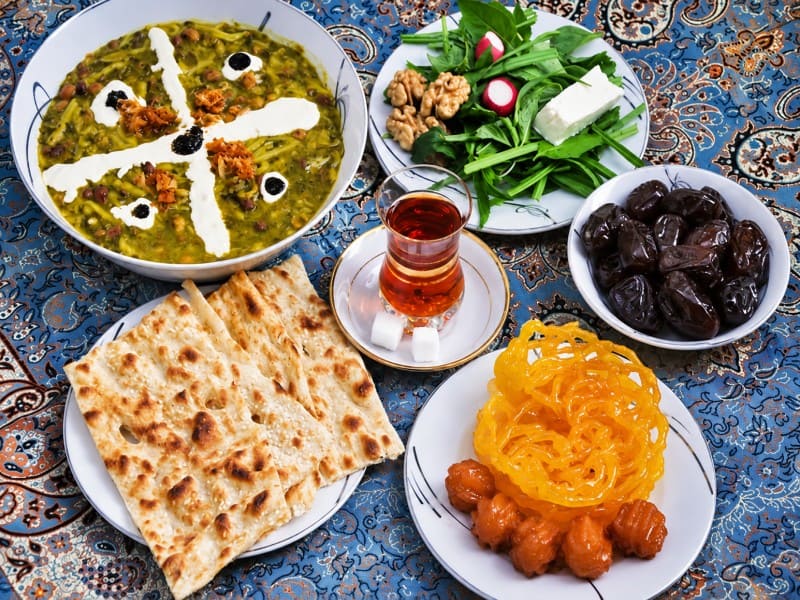
A typical spread may include ash or soup alongside fresh bread, white cheese, walnuts, dates, and “sabzi khordan”; a selection of fresh herbs commonly served with Iranian meals. Tea is also an important part of the evening, often accompanied by Zoolbia or Zulbia and Bamieh, two syrup-soaked sweets strongly associated with Ramadan in Iran.
Iftar often begins simply, with dates, warm tea, bread, cheese, and herbs before moving on to warmer dishes. Soups and ash add a comforting and filling element to the table, while sweet pastries usually appear alongside tea later in the meal.
For travelers interested in exploring the wider variety of these dishes beyond the Ramadan table, our guide to traditional Iranian soups and ash offers a closer look at some of Iran’s best-known recipes.🌙
An iftar table can look very different depending on the country, family, and occasion, but many share a similar rhythm. The meal often begins simply, then gradually expands into something more social and generous as everyone settles around the table.
🌴 Dates and water often come first.
🥣 Soup often follows.
🍚 The main dishes are usually made for sharing.
🥗 Small plates and side dishes add variety.
🥤 Ramadan drinks bring regional identity to the table.
🍮 Dessert usually comes later.
The most important thing to understand is that there is no single “correct” iftar table. A large family gathering in Amman may look completely different from a quiet iftar in Cairo, Jeddah, Casablanca, Istanbul, or London. Migration has made these tables even more diverse, with families combining recipes from their countries of origin with foods from the places they now call home.🌙
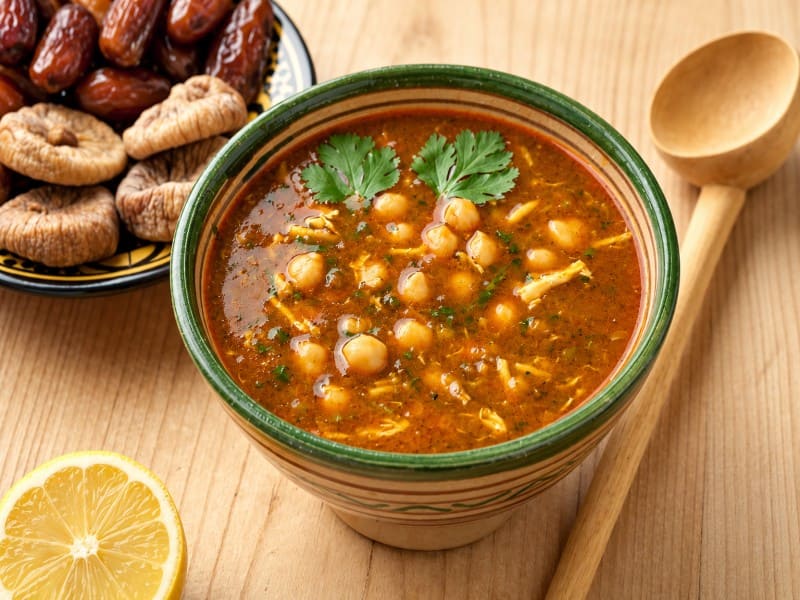
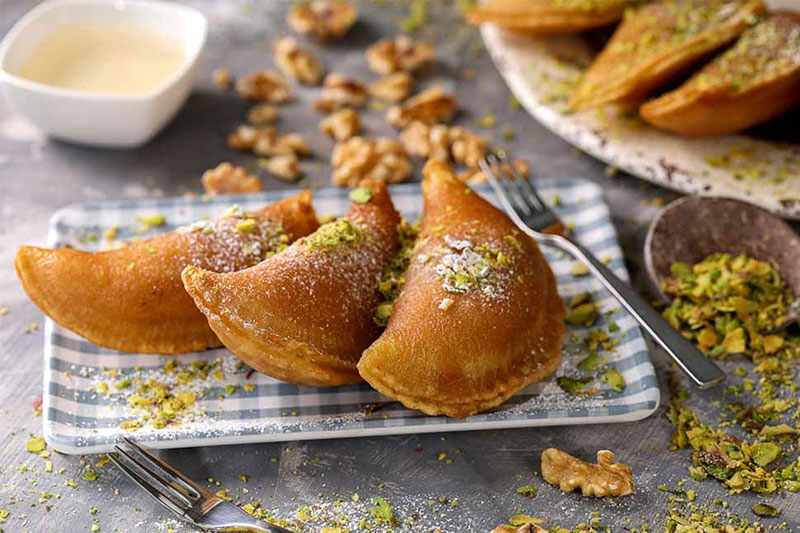
Ramadan food is not defined by one cuisine, one country, or even one way of setting the table. From Kabsa in Saudi Arabia and Mansaf in Jordan to Harira in Morocco, Koshari in Egypt, and Qatayef across the Levant, each dish reflects a different geography, family history, and way of gathering after sunset.
What connects these traditions is the role food plays in bringing people together. Iftar can be a quiet family meal, a large community gathering, or a table shared with friends and neighbors who may not be fasting at all. For Arab and Muslim families living far from their countries of origin, familiar recipes can also become a way of preserving memory and recreating a sense of home.
At FlySepehran Blog, we see food as one of the most direct ways to discover a culture. And during Ramadan, the iftar table may be one of the richest places to begin. 🌙