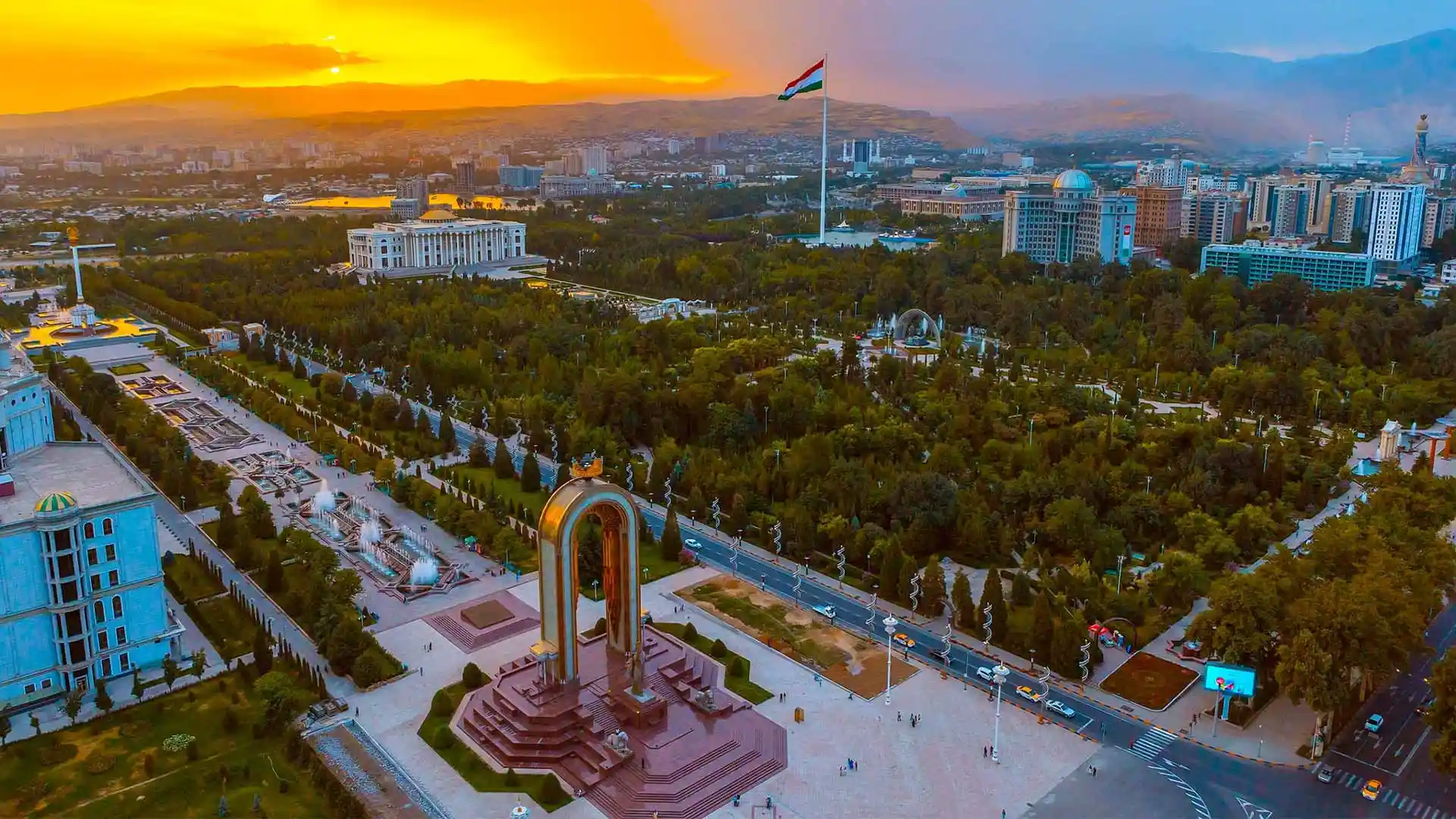




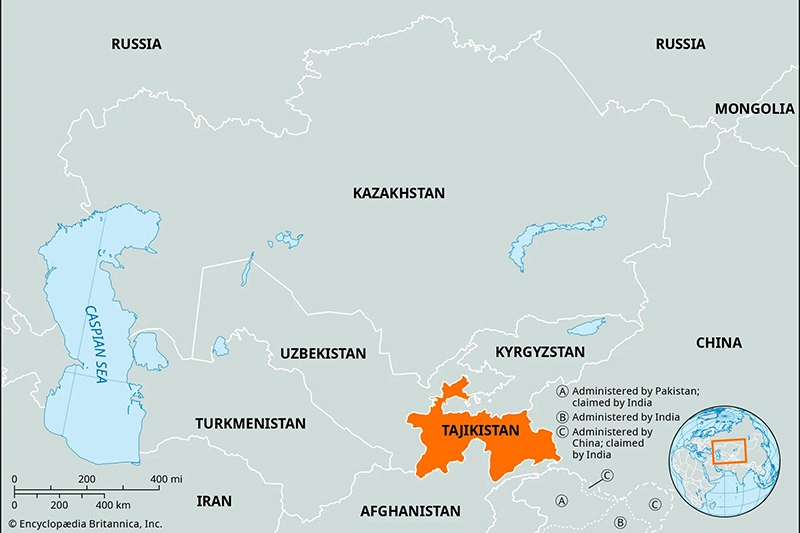
Tajikistan, a mysterious land in the heart of Central Asia, has recently become one of the most popular travel destinations. The attractions of Tajikistan — with their remarkable blend of pristine, breathtaking nature, ancient historical sites, and rich culture — make this country a compelling place to visit. Whether you are passionate about mountaineering, nature tourism, or adventure travel, Tajikistan offers a unique experience with its sky-piercing peaks and dramatic mountain landscapes.
Like many tourist destinations in Iran and around the world — each astonishing visitors with distinctive natural scenery and cultural heritage — Tajikistan also presents travelers with a captivating mix of traditional villages, vibrant local culture, and untouched scenic routes. The Nowruz holidays provide an excellent opportunity to explore this land in the pleasant spring weather and enjoy an unforgettable encounter with the nature and culture of Central Asia. In the following sections, join us to discover the best places to visit in Tajikistan and start planning your dream journey.
With its pristine mountain landscapes, striking blue lakes, hot springs, ancient monuments, and historic fortresses, Tajikistan offers an extraordinary collection of attractions. This mountainous country in the heart of Central Asia is a land where untouched nature and ancient history stand side by side, creating a travel experience unlike any other.
If you are searching for a destination that has preserved its authentic character, Tajikistan can be a truly distinctive choice. From the legendary Pamir Highway — one of the highest roads in the world — to lakes shimmering in turquoise and emerald hues, every corner of this land forms a breathtaking picture. Alongside this spectacular nature, numerous historical sites tell the story of ancient civilizations, the grandeur of the Silk Road, and the rich cultural heritage of the Tajik people.
Visiting ancient fortresses, historic mausoleums, and museums filled with valuable artifacts allows you to explore deeper layers of the country’s identity. At the same time, wandering through local bazaars, tasting traditional breads, and interacting with warm and hospitable people transforms your journey from a simple sightseeing trip into a meaningful cultural and human experience.
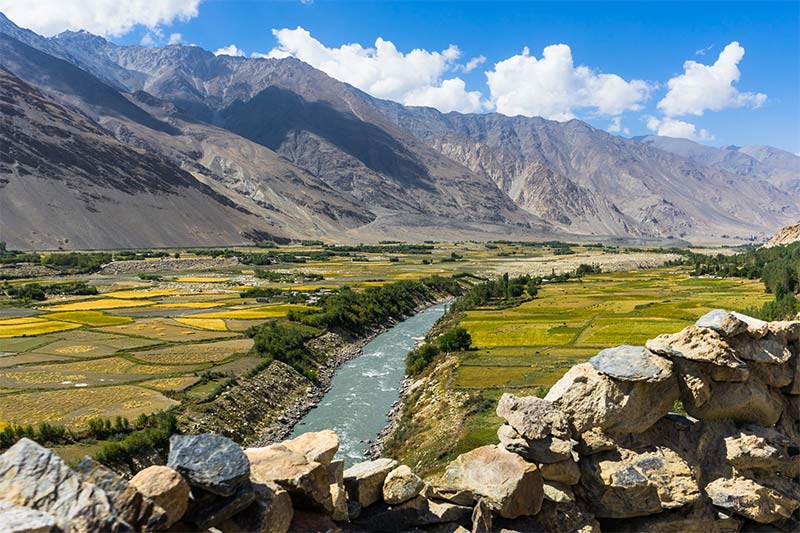
If you had to choose just one route as Tajikistan’s most extraordinary attraction, the Pamir Highway would undoubtedly top the list. This legendary road, stretching over 1,300 kilometers, connects Dushanbe to Osh in Kyrgyzstan and forms part of the international M41 highway. It cuts through the vast Pamir mountain range — a region home to towering peaks rising above 7,000 meters.
But the Pamir Highway is far more than a mountain road; it offers a rare blend of untouched nature, political history, local culture, and genuine adventure. Its construction dates back to the nineteenth century, during the rivalry between the Russian and British empires in Central Asia. Later, in the Soviet era, its military function evolved into a major trade and communication route, and today it stands as one of Tajikistan’s most iconic travel experiences.
The route begins in Dushanbe and passes through Kulob, the Panj River valley, Khorogh (the capital of the Gorno-Badakhshan Autonomous Region), and the high-altitude town of Murghab before reaching Osh. Along the way, travelers can explore the Wakhan Valley, the historic Yamchun Fortress, hot springs such as Garm Chashma, and remote mountain villages. Every stop along this road offers a chance to experience the culture of the Pamir people and their simple yet authentic way of life.
Traveling the Pamir Highway is a true expedition. Crossing the Ak-Baital Pass at 4,655 meters, navigating rough gravel roads, enduring long driving hours, and coping with limited facilities are all part of the journey. Yet these very challenges are what make the Pamir Highway one of the most thrilling road trips in the world.
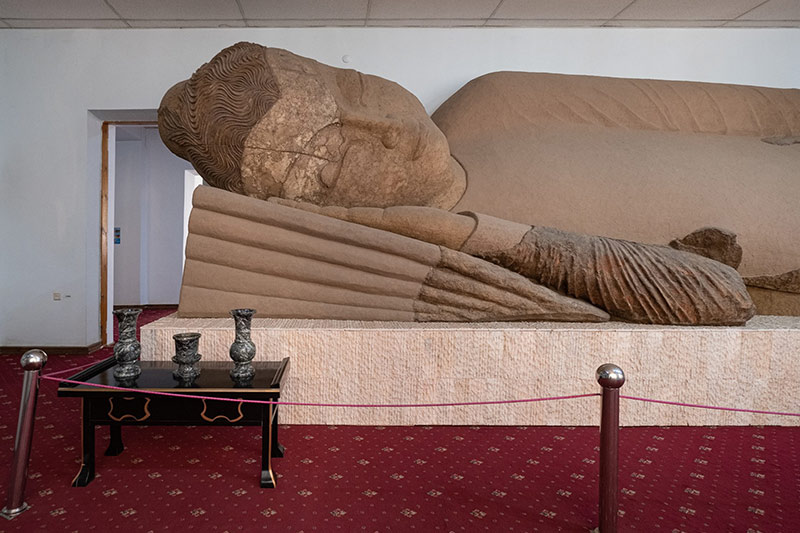
One of Tajikistan’s most remarkable attractions is the Reclining Buddha in Dushanbe, preserved in the National Museum of Antiquities. Known as the Buddha in Nirvana, this historical masterpiece dates back about 1,600 years to the 6th or 7th century CE — a time when Buddhism was widely practiced across parts of Central Asia.
This massive clay statue measures roughly 14 meters in length and nearly 3 meters in height, making it the largest clay reclining Buddha statue in the world. So, the sculpture depicts the Buddha lying on his side, one hand supporting his head and the other resting along his body — a posture symbolizing entry into Nirvana, or eternal peace.
The statue was discovered in the 1960s, when Soviet archaeologists excavated the ancient site of Ajina-Tepe in southern Tajikistan near the Afghan border, uncovering the remains of a Buddhist monastery. Severely damaged, the statue was stored in three separate pieces for over three decades because the necessary resources for restoration were unavailable.
After Tajikistan gained independence, a major restoration project began with the cooperation of specialists from Russia’s Hermitage Museum and financial support from international donors. Funding from European institutions, the United States, and Japan enabled the reconstruction to be completed between 2000 and 2001. The restored statue was finally unveiled to the public during the tenth anniversary of Tajikistan’s independence and has since become one of Dushanbe’s most important cultural and tourist landmarks.