

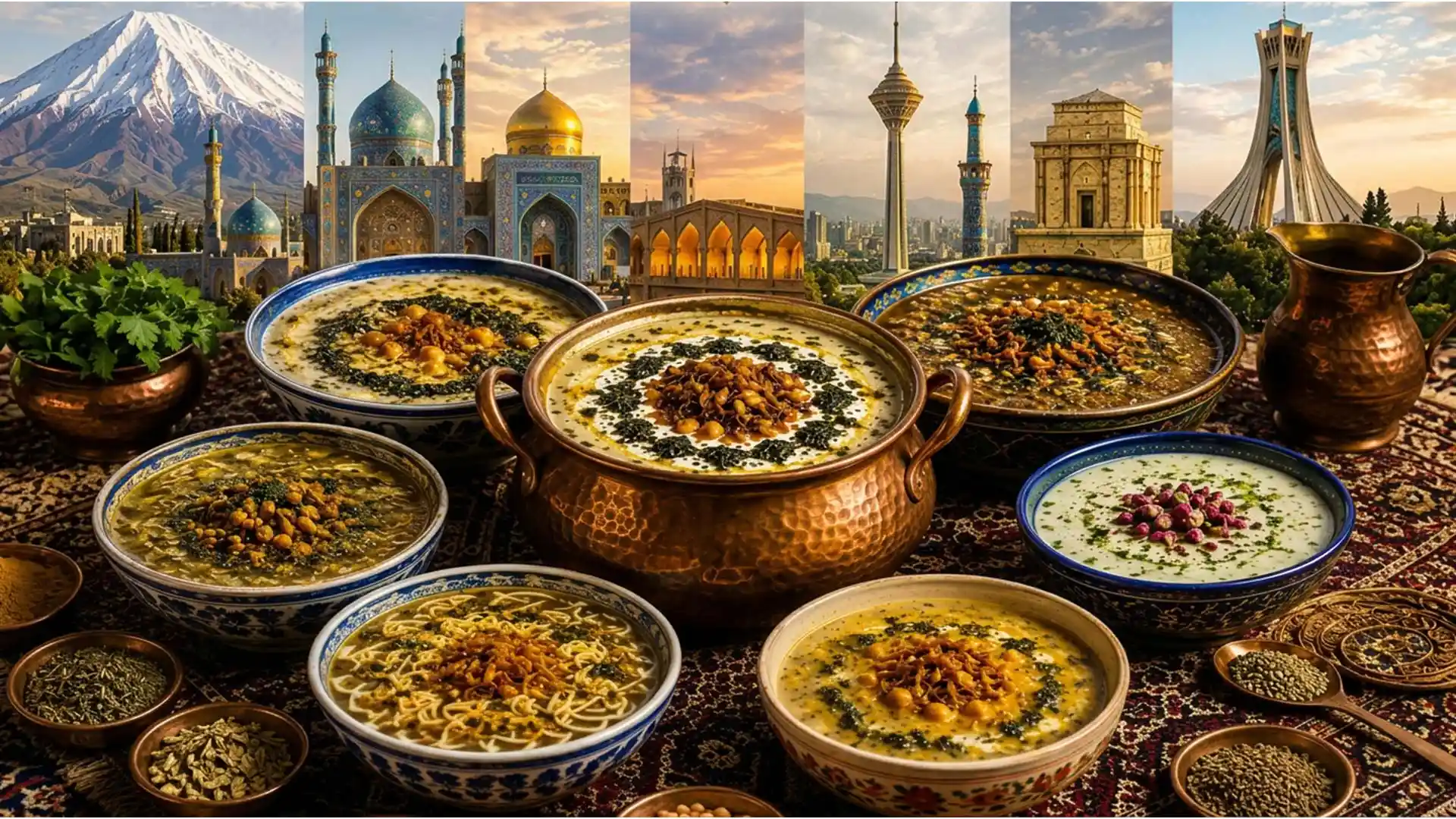


The Traditional Foods of Isfahan offer a delicious way to discover the history, lifestyle, and local food culture of this remarkable city. Known for its rich culinary heritage, Isfahan is home to a variety of authentic dishes shaped by its geography, climate, and long-standing traditions. Many Isfahani foods are hearty, flavorful, and often served with bread, while meat plays an important role in several of the city’s most famous recipes. For travelers, tasting these dishes is more than a simple dining experience; it is a meaningful introduction to the flavors and identity of one of Iran’s most iconic destinations.
In this article, Sepehran blog will introduce ten authentic dishes of Isfahan.
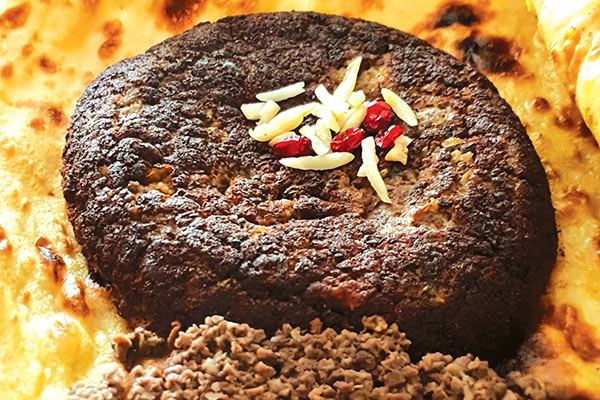
You have probably heard the name Biryani, or at least tried it once; Briyani is an authentic Isfahan food. People who are true food lovers prepare themselves for this exceptional dish even before traveling to Isfahan. It is rare to find someone who visits Isfahan and does not try Biryani. The dish is so popular that it is also served in many other cities. The ingredients used to prepare Biryani include meat, cinnamon, onion, oil, saffron, kashk (fermented whey), and dried mint. In Isfahan, it is usually eaten with cooked white lung (sheep lung), meat broth, fresh basil, fresh sangak bread, and cold doogh.
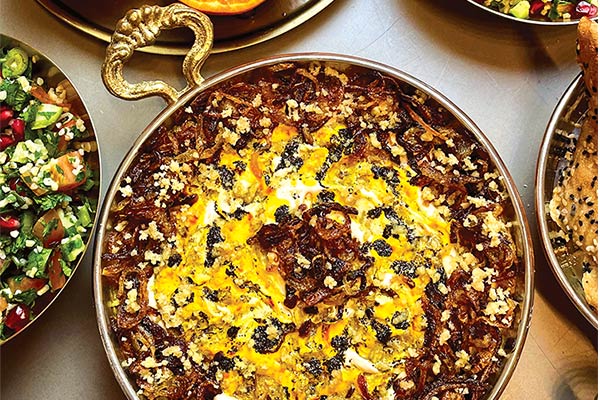
Another authentic dish of Isfahan is Halim Bademjan. When serving this dish, it should be noticeably stretchy; in fact, this stretchiness is a sign that it has been cooked properly. One reason for this texture is the use of lamb neck meat as a main ingredient. Many people in other cities also enjoy and serve this dish. The ingredients required for Halim Bademjan include meat, rice, kashk (fermented whey), eggplant, fried onions, white beans, turmeric, salt and pepper, fried mint, and brewed saffron. This dish is especially delicious when eaten with fresh sangak bread.
Cook the meat with roughly chopped onions, soaked beans or lentils, and turmeric until tender, then shred or pound it. Peel the eggplants, soak them in salted water, fry them, and saute with sliced fried onions, mint, and turmeric; add the cooked rice and lentils and mash until the mixture becomes stretchy. Mix in the pounded meat, kashk, walnuts, and fried mint, heat through, and serve garnished with fried onions and kashk.
Read on the Sepehran blog:
The Best Iranian foods: Discover the Variety and Richness of Iranian Cuisine!
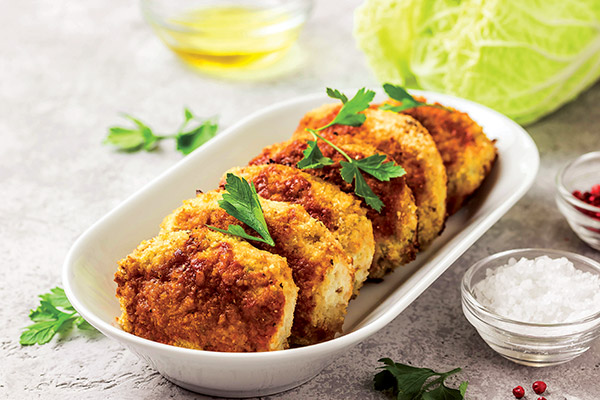
In general, kebab is one of Iran’s traditional foods, but Moshti Kebab or Zardak Kebab is specific to Isfahan. Although simple, this kebab has a very delicious flavor, and anyone who has tried it once never forgets its unique taste. Preparing this kebab does not require special skill; after mixing the ingredients, it is fried in oil. Its flavor is mildly sweet and sour, and it is usually served with bread. The main ingredients include ground meat, syrup, chickpea flour, vinegar, onion, and aromatic spices.
Grate the onion and carrot, squeeze out the onion juice, then mix with the meat, chickpea flour, and spices; knead well and let rest in the refrigerator for 30 minutes. Shape the mixture into fist-sized or oval pieces and fry in oil until golden. Saute tomato paste with vinegar, sugar or molasses, salt, and a little water; add the kebabs and cook over low heat for 10–15 minutes until the sauce thickens. Serve with rice or bread.
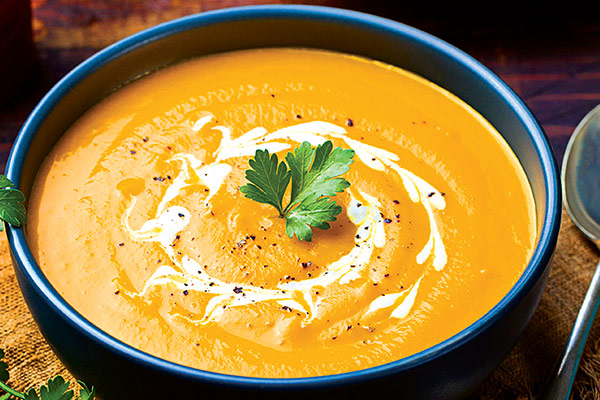
Another authentic and highly popular dish of Isfahan is Khoresht Mast (Yogurt Stew). This dish is completely different from other stews and has a unique flavor and appearance. It is prepared using strained yogurt, egg yolk, slivered pistachios, saffron, salt, sugar, chicken, and turmeric. The stew has a yellow color and a flavor that combines sweetness with mild tartness. Its texture is similar to haleem—thick and stretchy—and it is often served as a dessert. Traditionally, lamb neck meat is used, although some people substitute chicken. In the past, this dish was considered a royal court food.
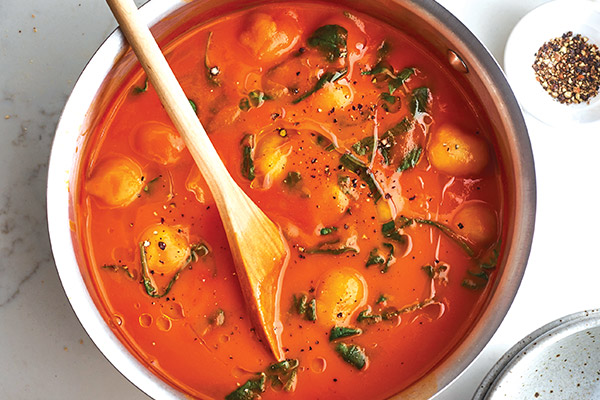
Eshkeneh is in fact one of the old dishes that for many years was a staple on numerous Iranian tables. This dish is still cooked in Isfahan today. Its preparation is relatively easy, and it is considered a light meal. Eshkeneh is also served in other provinces and has its own devoted fans. The ingredients for Isfahani Eshkeneh include eggs, oil, fenugreek, potatoes, and onions. When served on cold days, it is especially satisfying. You can also enjoy it with hot sangak bread, fresh basil, and cold doogh to enhance its flavor. This dish is a traditional example of Isfahan food.
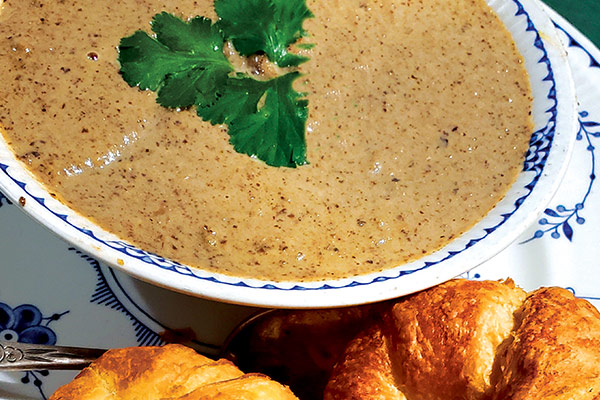
Another authentic dish of Isfahan is Sholeh Biryan with cumin, which has many fans. This dish is highly nourishing, and with its soft, pounded texture, it offers a unique and beloved flavor. Many travelers to Isfahan make sure to try it at least once. The ingredients for Sholeh Biryan with cumin include onion, lamb ribs, broken rice, ground black cumin, turmeric, and pepper. We highly recommend trying this dish—you will not regret it.
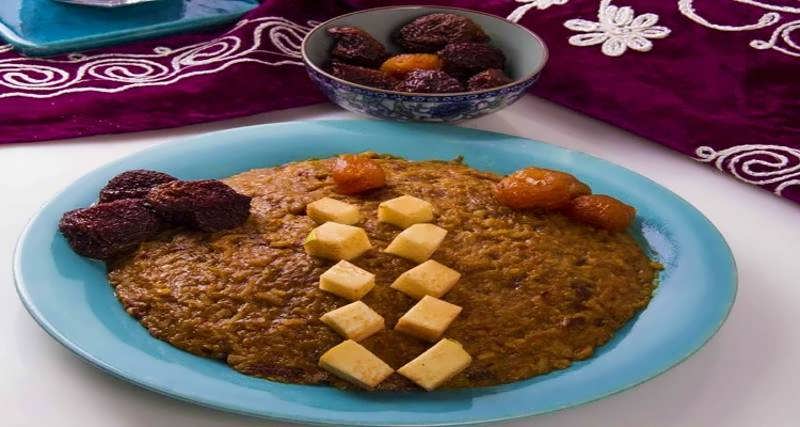
Another authentic dish of Isfahan is Yakhmeh Torsh, a traditional and extremely delicious food. This dish has many nutritional benefits and is considered an excellent option for people who are weak or underweight. The ingredients used to prepare Yakhmeh Torsh include rice, sugar, lamb, dried apricots, and plums. It is known as a highly energizing dish that helps strengthen the body. It is also believed to support the nervous system and help relieve stress, making it suitable for individuals experiencing nervous disorders. This dish is a traditional example of Isfahan food.
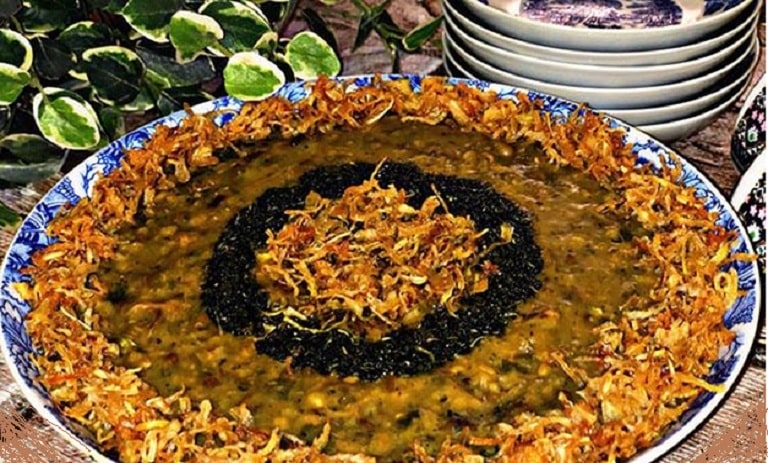
Hardly anyone living in Iran has not heard of Ash-e Sholeh Ghalamkar. You may find it interesting to know that although this dish is cooked and served in most Iranian cities, its origin traces back to Isfahan. The main ingredients include meat and mung beans, which are combined with rice and herbs. This dish is usually served in eateries that sell Halim Bademjan. It is commonly eaten as breakfast or as a meal for iftar during Ramadan. If you have never tried this remarkable dish, we highly recommend tasting it at least once. This dish is a traditional example of Isfahan food.
Soak the legumes for about 12 hours. Saute the onions and garlic, add the meat and turmeric, and cook with water until tender (2–3 hours). Add the legumes, rice, and bulgur and cook until partially done; then add the herbs and simmer over low heat for 4–6 hours, stirring frequently until thick and stretchy. Garnish with fried mint, kashk, and fried onions, and serve hot.
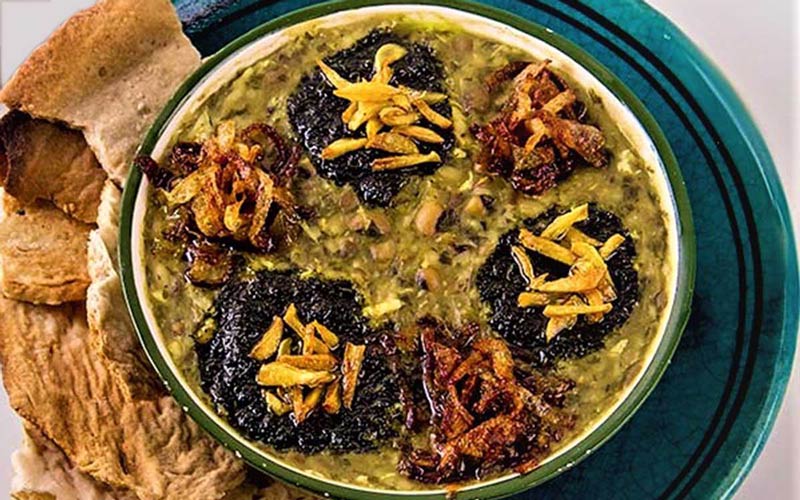
Another authentic and traditional dish of Isfahan is Ash-e Omaj, which has its own devoted fans. This soup is usually served in the Turkic-speaking areas of the city. The main ingredients include turmeric, onion, spinach, water, flour, and legumes. Many people prefer to use yogurt instead of kashk, which gives it a different flavor. Ash-e Omaj is typically cooked in winter and is considered very beneficial for colds. We recommend trying it at least once. This dish is a traditional example of Isfahan food.
Soak the lentils, then cook them with sautéed onion and turmeric until half done; add boiling water. Mix the flour with water and salt to form a soft dough, shape into small pellets (about the size of chickpeas), and add them to the soup; then add the cabbage and herbs. Cook over low heat for 20–30 minutes until the omaj pieces swell and the soup thickens. Serve with fried mint.
Another popular local dish of Isfahan is Yakhni-ye Loobia (Bean Yakhni), also known as Meat and Bean Stew. This dish is typically cooked to a thick, haleem-like consistency. The ingredients include parsley, fenugreek, white beans, lamb, spices, onion, and rice. Isfahanis traditionally cook the beans and meat in copper pots and then serve the dish with bread. In the past, it was a main offering during religious ceremonies, especially in the months of Muharram and Safar, and this tradition still continues today. Therefore, if you travel to Isfahan during these months, there is a high chance you will be able to taste this charitable dish.
The foods of Isfahan are not merely a collection of flavors; they reflect the history, culture, and lifestyle of the people of this ancient city. From the famous Biryani and the festive Halim Bademjan to the unique Khoresht Mast, the diverse varieties of ash, and simple yet authentic dishes such as Eshkeneh and Yakhni-ye Loobia, each one tells a story of the culinary identity of “Nesf-e Jahan” (Half of the World). The diversity of ingredients, the skillful use of spices, and the blend of tradition with local taste have given Isfahani cuisine a special place among Iran’s most popular foods. If you travel to Isfahan, experiencing these dishes is not just about eating a meal; it is an opportunity to connect with the culture, history, and authenticity of a city that always offers something beyond expectations.
Traveling by plane is not only about purchasing a ticket; comfort during the flight is equally important. For a more pleasant journey, seat selection is one of flysepehran key services. This service allows you to seat selection—whether you want extra legroom, an aisle seat, a window seat, or seats close to your companions—so you can enjoy a more comfortable flight.
If your luggage exceeds the permitted baggage allowance, you can reserve flysepehran extra baggage service online. Purchasing extra baggage online means paying less for carrying more, thanks to special discounts available for advance online bookings.