Yalda Night, the longest night of the year and one of the most important traditions of ancient Iran, is still celebrated with special enthusiasm among Iranians, despite the passage of thousands of years. With a history of seven millennia, Yalda is held on the last night of Azar (December 21), marking the end of autumn.
The ancient Iranians believed that the last night of autumn was the birth of the sun. For this reason, with the arrival of Yalda, they celebrated the lengthening of winter days and the shortening of nights, a symbol of the victory of light over darkness. They would gather together on this occasion to keep the flame of hope alive in their hearts.
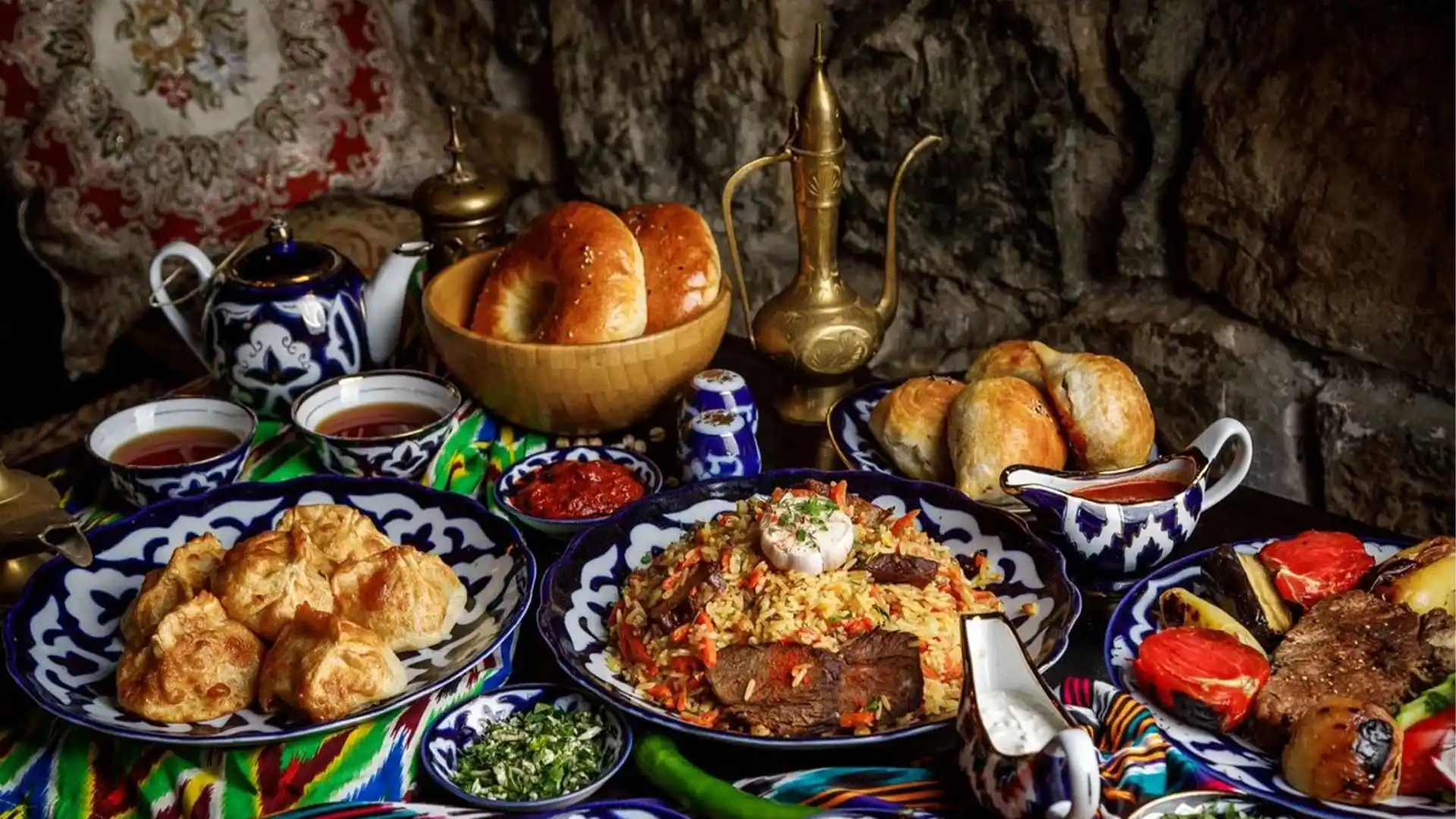
The Yalda celebration has its own unique rituals. On this night, families come together, and the younger generations visit the elders at the grandparents’ home. The table is filled with pomegranates and watermelons, nuts, traditional sweets, and authentic Persian dishes. In this warm gathering, the elders recite the poetry of Hafez and retell the ancient stories of Iran—rituals that symbolize joy, family unity, and the connection of generations to their ancestral culture.
For international travelers, visiting Iran in the last days of autumn is an excellent opportunity to witness these traditions and experience the famed hospitality of Iranians firsthand. Traditional bazaars take on a special atmosphere during these days, as people bustle to buy fruits, nuts, and other treats specific to Yalda Night, creating a lively and intimate mood. Moreover, some Iranians bring this celebration to historical and ancient sites, holding the festival in spaces that recall their ancestors—an experience that can leave travelers with unforgettable memories of Iran.
Traveling to Iran during Yalda Night is not just participating in an ancient celebration; it is a profound encounter with the history, culture, and way of life of the Iranian people.