


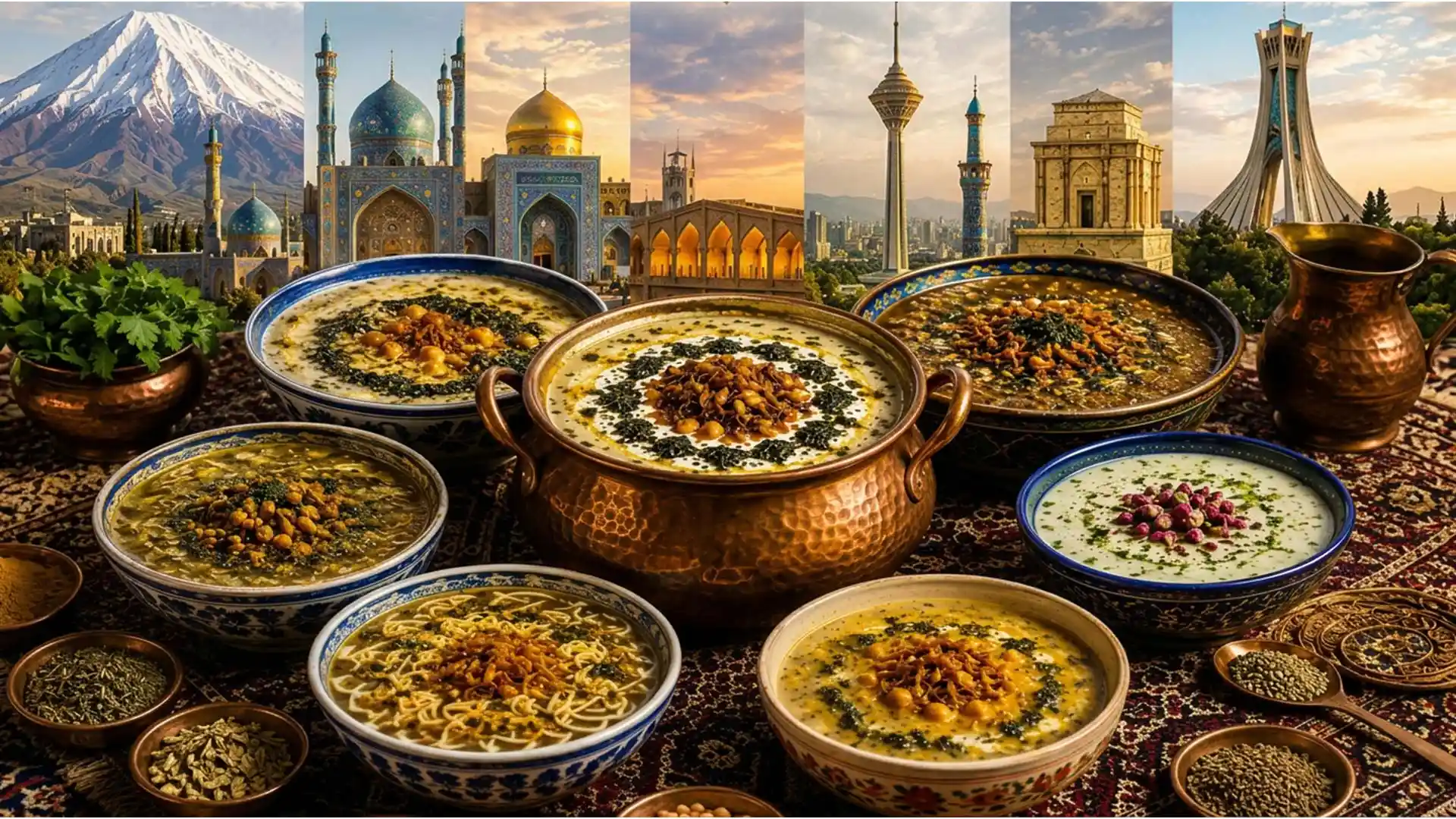



Iranian cuisine is shaped by centuries of tradition, regional diversity, and a deep connection between food and everyday life. Among its most distinctive dishes are traditional Persian soups, known locally as ash, which vary from one region of Iran to another in ingredients, flavors, and the stories behind them. At FlySepehran Blog, we invite you to discover these hearty dishes not simply as recipes, but as part of Iran’s living culinary culture.
“Ash (āsh) is the Persian name for a broad family of thick, nourishing dishes that fall somewhere between a soup and a hearty one-pot meal, often prepared with fresh herbs, legumes, grains, local noodles, or fermented dairy.”
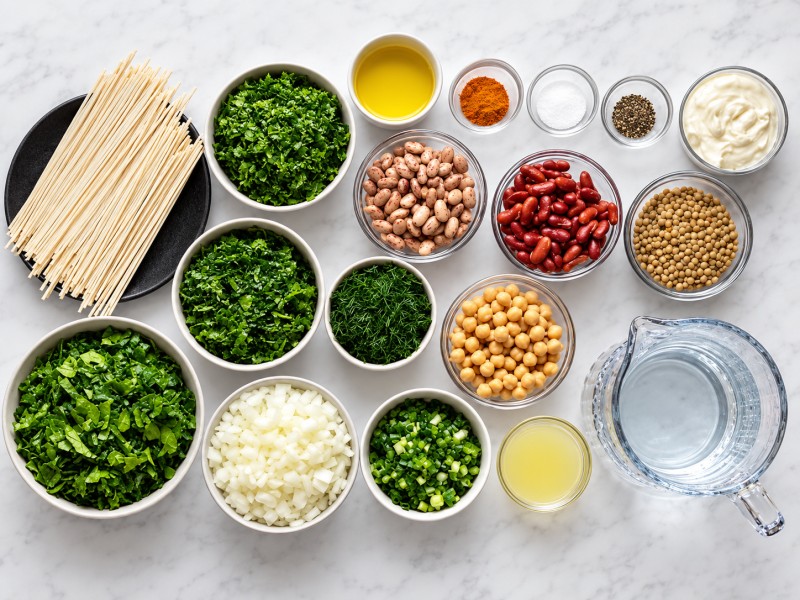
“Ash” offers a window into something deeper about Iranian food culture. These dishes are closely tied to geography, season, and the way people have lived across different parts of the country for generations. In Iran’s mountainous regions, ash is often rich with legumes, grains, local herbs, and dairy products, creating warming and nourishing meals suited to the climate. In central drier regions, ingredients such as wheat, barley, lentils, and kashk (a traditional fermented dairy product) reflect a cuisine shaped by ingredients that could be preserved and relied upon throughout the year.
But ash is also deeply social; It is rarely associated with cooking for just one person. Traditionally, a pot of ash is made to be shared with family, neighbors, guests, travelers, or an entire gathering. Some varieties are prepared for Ramadan evenings, religious offerings known as “nazri”, winter get-togethers, or other important moments in family and community life.
If you were to try only one ash during a journey through Iran, Ash Reshteh would be an excellent place to begin. Often described in English as a Persian herb and noodle soup, it is one of the most widely recognized examples of traditional Persian soups and can be found in homes, traditional restaurants, and local gatherings across much of the country.
Ash Reshteh is made with a generous combination of legumes, fresh herbs, and reshteh (Persian noodles) then designed with kashk, fried onions, garlic, and dried mint. The result is a thick, deeply satisfying dish with layers of herbal, savory, tangy, and slightly earthy flavors. Unlike a light soup served before a meal, Ash Reshteh is substantial enough to be a meal in its own right.
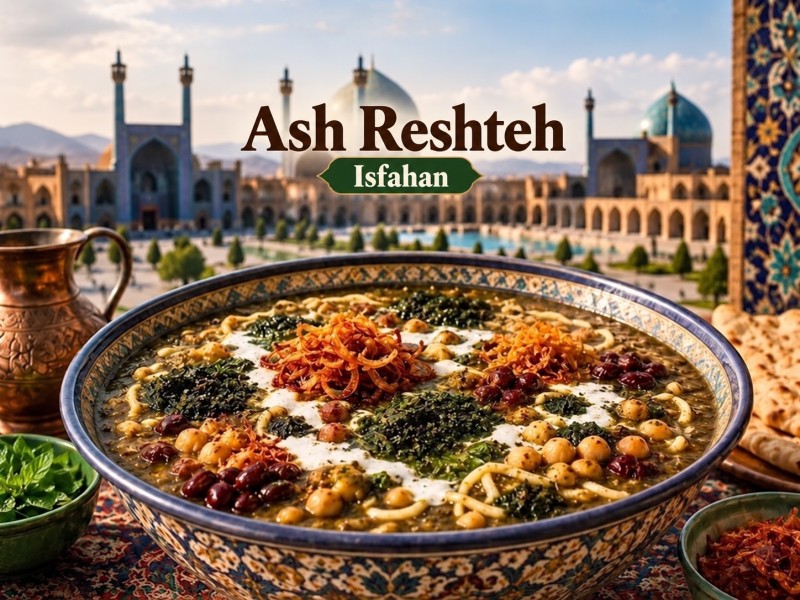
For someone tasting it for the first time, Ash Reshteh is all about contrasts. The beans and lentils give it richness, fresh herbs add fragrance and freshness, and the noodles create its characteristic thick texture. Kashk brings a salty, pleasantly tangy dairy note, while fried onions, garlic, and mint add warmth and aroma.
The decoration on top is not merely for appearance. Swirls of kashk, golden fried onions, and dark green mint oil are part of the flavor of the dish itself, making a well-prepared bowl of Ash Reshteh as inviting to look at as it is to eat.
| Recipe | Details |
| Main Ingredients | Chickpeas, beans, lentils, fresh herbs, reshteh noodles, kashk |
| Fresh Herbs | Parsley, coriander, spinach, chives or Persian leeks |
| Flavor Profile | Rich, herbal, savory and pleasantly tangy |
| How It’s Made | Cook the legumes until tender, add the chopped herbs, then add the noodles and simmer until thick and well combined. |
| Traditional Toppings | Kashk, fried onions, garlic and dried mint |
| Best Served | Hot, especially during colder months or at family and traditional gatherings |
If you are exploring Iranian cuisine for the first time, Ash Reshteh is a particularly good introduction to the country’s traditional flavors. Look for it in traditional restaurants, local food markets, or seasonal gatherings; especially during the colder months and around major cultural or religious occasions.
When ordering, remember that kashk has a strong, tangy dairy flavor. If you are unsure about it, you can ask for a lighter amount on top and gradually discover how it changes the character of the dish.
Ash Doogh is one of the most distinctive traditional Iranian soups, especially associated with the northwestern regions of the country. It is particularly well known in Ardabil and the surrounding areas, where the cool mountain climate and long tradition of dairy-based dishes have shaped a cuisine with a character all its own.
The defining ingredient is doogh, a tangy yogurt-based drink widely enjoyed across Iran. Combined with fresh herbs, rice, chickpeas, and small meatballs in some regional versions, it creates a soup that is creamy, fragrant, slightly sour, and surprisingly refreshing.
For travelers, Ash Doogh offers a very different experience from richer dishes such as Ash Reshteh. Its bright acidity and herbal aroma make it one of the most memorable examples of regional Iranian cuisine.
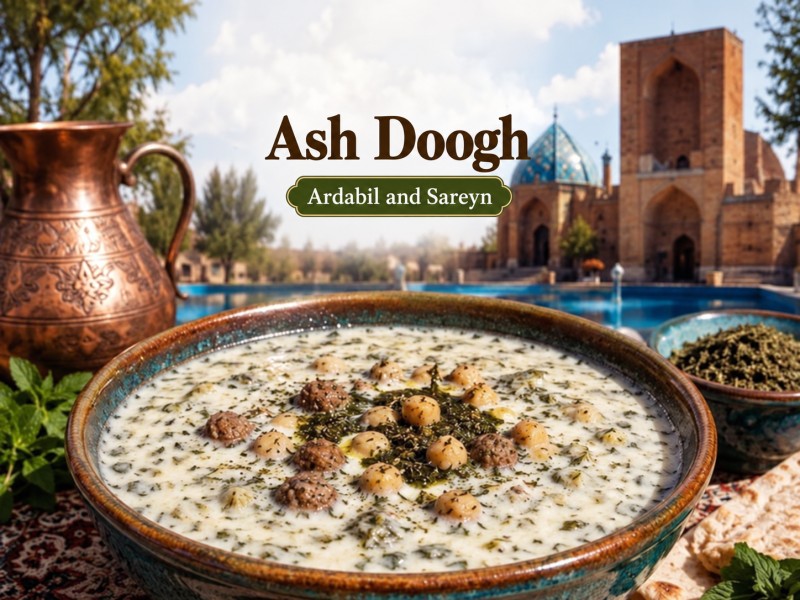
The first thing you notice is its pleasantly tangy flavor. The yogurt base gives the soup a gentle sourness, while herbs such as coriander, dill, and chives add freshness and aroma. Chickpeas and rice give the dish body, and some recipes include small meatballs for extra richness.
The balance between creamy dairy, fresh herbs, and mild acidity is what makes Ash Doogh so distinctive.
|
Recipe |
Details |
| Main Ingredients | Doogh or yogurt, chickpeas, rice, fresh herbs and, in some versions, small meatballs |
| Fresh Herbs | Coriander, dill, chives or local mountain herbs |
| Flavor Profile | Tangy, creamy, herbal and mildly savory |
| How It’s Made | Cook the chickpeas and rice, gradually add the yogurt or doogh mixture, then stir in the herbs and simmer gently until the flavors come together. |
| Optional Addition | Small seasoned meatballs, depending on the regional recipe |
| Best Served | Warm, especially in cool-weather destinations and traditional restaurants in northwestern Iran |
If your journey takes you to Ardabil or Sareyn, Ash Doogh is one of the regional dishes worth looking for. Local versions can vary in thickness, acidity, and the herbs used, so tasting it in more than one place can be part of the experience.
Because doogh is central to the recipe, the flavor may be sourer than many Western-style creamy soups. That tanginess is intentional and is one of the defining characteristics of the dish.
Sholeh Ghalamkar is one of the richest and most substantial dishes in the world of traditional Persian soups. Unlike lighter herb-based varieties, this ash is built around a generous combination of meat, legumes, grains, and aromatic spices, giving it a deep, slow-cooked character.
The dish is especially associated with Tehran and central Iran, although versions of it can be found in different parts of the country. Its name is often linked to its unusually diverse mix of ingredients; almost as if everything has found its way into the same pot.
For visitors interested in hearty Iranian comfort food, Sholeh Ghalamkar offers a very different side of Persian cuisine: dense, warming, and deeply satisfying.
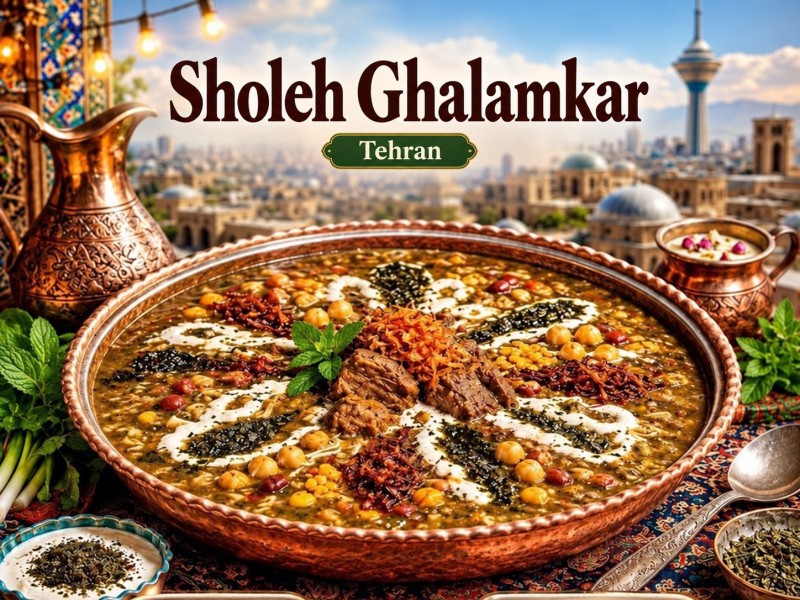
Its flavor is rich and savory, with a soft, almost creamy texture created by long cooking. Meat adds depth, while beans, lentils, and grains build body and complexity. Fried onions and warm spices round out the flavor, making it especially comforting in colder weather.
Compared with Ash Doogh or Ash Reshteh, Sholeh Ghalamkar is heavier, more intense, and much closer to a complete meal than a starter.
| Recipe | Details |
| Main Ingredients | Meat, chickpeas, beans, lentils, rice or wheat, onions and herbs |
| Flavor Profile | Rich, savory, hearty and mildly spiced |
| Texture | Thick, soft and almost creamy from long cooking |
| How It’s Made | Cook the meat and legumes separately until tender, combine them with grains and herbs, then simmer slowly until the mixture becomes thick and cohesive. |
| Traditional Finish | Fried onions, herbs and warm spices |
| Best Served | Hot, especially during colder months or as a filling lunch or dinner |
Sholeh Ghalamkar is a good choice if you want to try one of the more substantial dishes in Iranian cuisine. Because it is slow-cooked and ingredient-heavy, quality can vary greatly from one place to another.
Look for traditional restaurants or local eateries known for serving ash and stews, where the dish is more likely to be prepared slowly and with the depth of flavor it is known for.
Tarkhineh is one of the most distinctive examples of traditional Iranian food preservation. Closely associated with western and central regions of Iran, especially areas with colder winters, it reflects a practical culinary tradition shaped by seasonality, climate, and the need to preserve nourishing ingredients for months at a time.
At the heart of the dish is tarkhineh, a fermented mixture traditionally made from cracked wheat or bulgur combined with yogurt, doogh, or another sour dairy base. The mixture is dried and stored, then rehydrated when needed to create a thick, warming soup.
For travelers interested in regional food traditions, Tarkhineh is especially fascinating because its flavor tells a story of preservation as much as cooking.
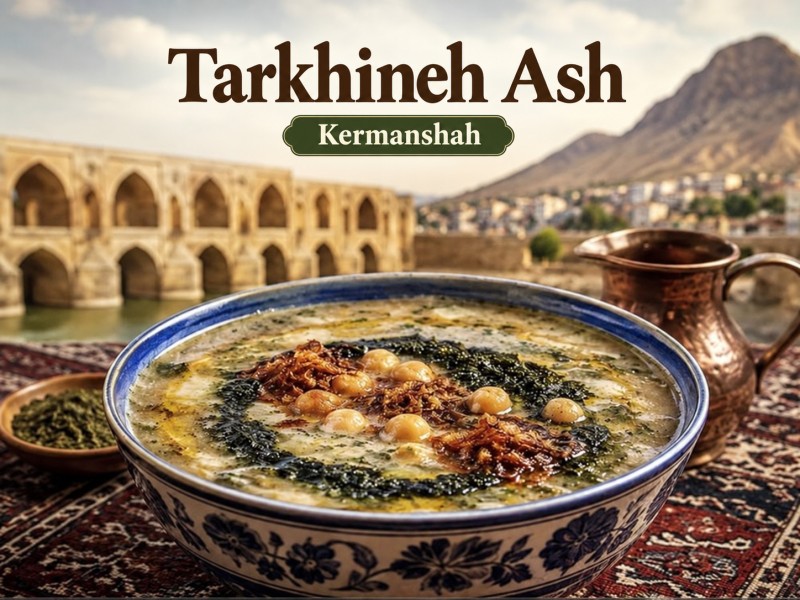
Tarkhineh has a pleasantly sour, earthy flavor with a soft grain-based texture. Fermented dairy gives it its characteristic tang, while herbs, legumes, and onions add depth and warmth.
Its flavor can feel rustic and unfamiliar at first, particularly if you are new to fermented foods, but that is also what makes it such an authentic expression of regional Iranian cuisine.
| Recipe | Details |
| Main Ingredients | Tarkhineh, chickpeas or lentils, onions, herbs and water or broth |
| Tarkhineh Base | Fermented cracked wheat or bulgur mixed with yogurt or doogh and traditionally dried for storage |
| Flavor Profile | Tangy, earthy, savory and warming |
| How It’s Made | Soak or soften the dried tarkhineh, cook it with legumes and onions, then simmer until the grains break down and the soup becomes thick and creamy. |
| Traditional Additions | Dried mint, fried onions and local herbs |
| Best Served | Hot, especially during autumn and winter |
Tarkhineh is worth seeking out if you are traveling through western Iran or exploring local food markets. In some regions, you may even find dried tarkhineh sold as a traditional pantry ingredient rather than as a ready-to-eat dish.
If you enjoy sourdough, fermented dairy, or other naturally tangy foods, this is one of the Iranian dishes most likely to surprise you in a good way.
Ash-e Mast is another yogurt-based dish in Persian cuisine, but its character is quite different from Ash Doogh. Depending on the region, it can be made with rice, chickpeas, fresh herbs, yogurt, and sometimes small meatballs, creating a thicker and more substantial dish with a soft, creamy texture.
Different versions of Ash-e Mast can be found across Iran, particularly in regions where yogurt and fresh herbs play an important role in everyday cooking. Like many traditional Iranian soups, there is no single definitive recipe; each region—and often each family—may prepare it a little differently.
For travelers exploring local Iranian food, Ash-e Mast is a good example of how one familiar ingredient, yogurt, can take on very different personalities from one regional dish to another.
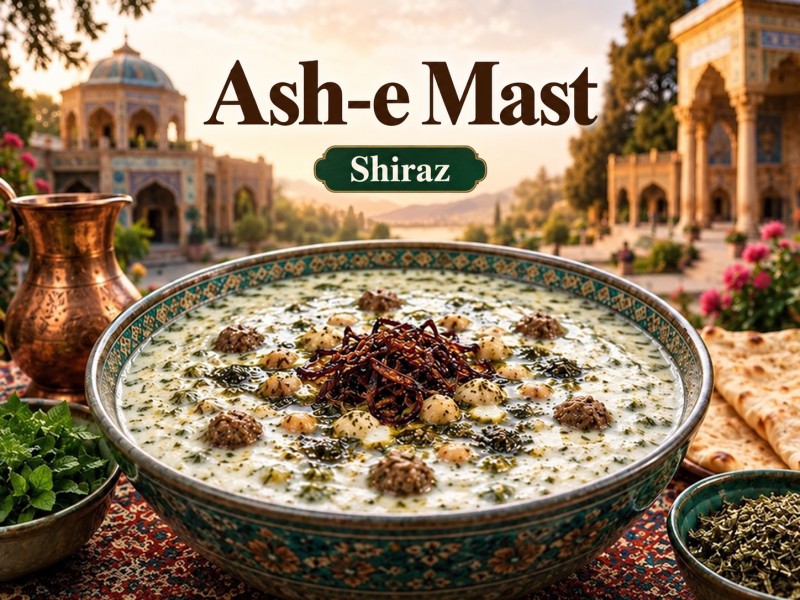
Ash-e Mast is creamy, mildly tangy, and herbaceous. Yogurt gives it freshness and acidity, while rice and chickpeas create a fuller, softer texture. Fresh herbs add fragrance, and versions made with meatballs have a more savory and substantial finish.
Compared with Ash Doogh, Ash-e Mast is often thicker and milder, with the yogurt contributing more creaminess than sharp acidity.
|
Recipe |
Details |
| Main Ingredients | Yogurt, rice, chickpeas, fresh herbs and, in some versions, small meatballs |
| Fresh Herbs | Parsley, coriander, dill, mint or regional herbs |
| Flavor Profile | Creamy, mildly tangy, fresh and savory |
| How It’s Made | Cook the rice and chickpeas until tender, add the herbs, then gradually incorporate the yogurt and simmer gently to create a smooth, thick texture. |
| Optional Addition | Small seasoned meatballs |
| Best Served | Warm, as a light meal or comforting starter |
If you enjoy yogurt-based dishes but prefer something gentler than the sharper flavor of Ash Doogh, Ash-e Mast may be a good place to start.
When trying it in different parts of Iran, pay attention to the herbs and texture. One bowl may be light and delicate, while another may be thick enough to feel like a complete meal—an excellent example of how regional cooking traditions shape even dishes that share the same name.
Wheat has been part of Iranian cooking for centuries, and Ash-e-Gandom (wheat) is one of the simplest ways to see how such a basic ingredient can become a deeply comforting meal. Found in different regional forms across Iran, this dish reflects a style of cooking built around grains, legumes, local herbs, and slow preparation.
Unlike more elaborate varieties of ash, Ash-e-Gandom often relies on a relatively small number of ingredients. Its character comes from long cooking, which allows the wheat to soften and release its starch, creating a thick and naturally creamy texture without the need for cream.
For travelers interested in traditional Iranian food beyond restaurant classics, Ash-e-Gandom offers a glimpse into the everyday, home-style side of Persian cuisine.
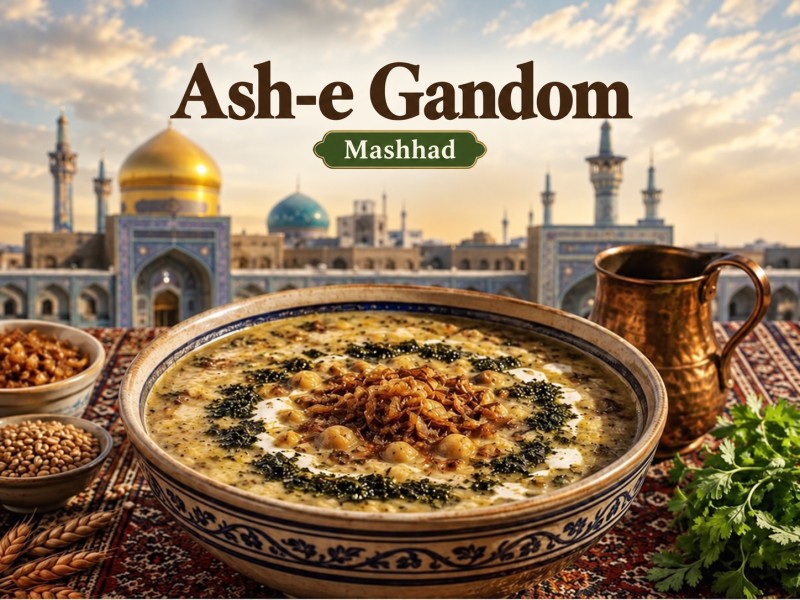
The flavor is mild, earthy, and comforting. Wheat gives the dish a soft nuttiness, while legumes and herbs add depth without overpowering it.
Depending on the regional recipe, it may be finished with fried onions, dried mint, or kashk, adding either a savory, aromatic, or tangy note to the final bowl.
|
Recipe |
Details |
| Main Ingredients | Wheat, chickpeas or beans, onions, herbs and water or broth |
| Flavor Profile | Mild, earthy, hearty and comforting |
| Texture | Thick and creamy from slow-cooked wheat |
| How It’s Made | Soak and cook the wheat until soft, add the legumes and onions, then simmer slowly until the grains begin to break down and the mixture thickens. |
| Traditional Finish | Fried onions, dried mint and, in some versions, kashk |
| Best Served | Hot, especially during colder months |
Ash-e-Gandom is the kind of dish you are more likely to encounter in home-style kitchens, local eateries, or regional food traditions than in highly polished restaurant menus.
Its simplicity is part of its appeal. If you want to experience the quieter, more everyday side of Iranian cooking, this is a dish worth noticing.
Yarma Ash is a traditional Iranian soup built around yarma, a form of cracked wheat or bulgur that gives the dish its characteristic texture and rustic flavor. It is especially associated with regional and home-style cooking, where grains and legumes have long provided the foundation for filling, economical meals.
Compared with Ash-e-Gandom, Yarma Ash usually has a more textured bite because the grain remains more distinct during cooking. Depending on the region, it may also include chickpeas, beans, herbs, onions, and sometimes dairy-based ingredients or local seasonings.
For travelers interested in lesser-known dishes, Yarma Ash offers a closer look at the grain-based cooking traditions that remain an important part of everyday Iranian cuisine.
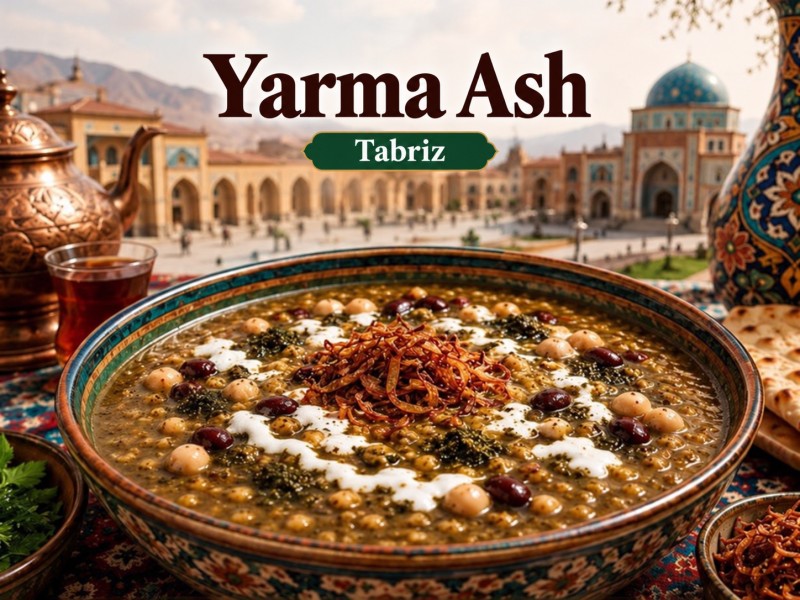
Yarma Ash is earthy, savory, and gently nutty, with a hearty texture from the cracked wheat. Legumes add richness, while onions and herbs bring warmth and aroma.
Its flavor is usually straightforward and comforting rather than highly spiced, making it a good example of how Iranian cooking often builds depth through slow cooking and ingredient balance rather than intense seasoning.
| Recipe | Details |
| Main Ingredients | Yarma or bulgur, chickpeas or beans, onions, herbs and water or broth |
| Flavor Profile | Earthy, savory, mildly nutty and hearty |
| Texture | Thick with a noticeable grain texture |
| How It’s Made | Cook the bulgur with legumes and onions, add the herbs, then simmer until the grains soften and the soup becomes thick and cohesive. |
| Traditional Additions | Fried onions, dried mint and regional herbs |
| Best Served | Hot, especially as a simple and filling meal in cooler weather |
Yarma Ash may not be as internationally recognized as Ash Reshteh, but that is part of what makes it interesting. It is more likely to appear in regional kitchens and local food traditions than on menus designed specifically for tourists.
If you enjoy bulgur-based dishes or rustic grain soups, Yarma Ash is a good example of the quieter, everyday side of Persian food culture.
One of the most fascinating things about ash is how much it changes as you travel across Iran. Local climate, agriculture, dairy traditions, and available grains and herbs have all influenced the way these dishes are prepared. The table below offers a quick comparison of the traditional Persian soups featured in this guide.
| Traditional Ash | Region | Key Ingredients | Flavor & Texture | What Makes It Distinctive |
| Ash Reshteh | Popular throughout Iran | Fresh herbs, legumes, reshteh noodles, kashk | Thick, herbal, savory and tangy | Iran’s best-known ash, closely associated with gatherings and cultural traditions |
| Ash Doogh | Ardabil and northwestern Iran | Doogh or yogurt, herbs, rice, chickpeas | Creamy, fresh and pleasantly sour | Its yogurt-based broth and fresh herbal character |
| Sholeh Ghalamkar | Tehran and central Iran | Meat, legumes, grains, herbs | Very thick, rich and savory | One of the most substantial and slow-cooked varieties of ash |
| Tarkhineh | Western and central Iran | Fermented wheat or bulgur, dairy, legumes | Tangy, earthy and warming | Made with traditionally fermented and dried tarkhineh |
| Ash-e Mast | Various regions of Iran | Yogurt, rice, chickpeas, herbs | Creamy, mild and gently tangy | A softer, creamier expression of Iran’s yogurt-based soups |
| Ash-e-Gandom | Various regional and home-style traditions | Wheat, legumes, onions, herbs | Mild, earthy and creamy | A simple grain-based dish shaped by slow cooking |
| Yarma Ash | Regional cooking traditions | Cracked wheat or bulgur, legumes, herbs | Hearty, rustic and slightly nutty | Its distinctive texture comes from yarma, or cracked wheat |
Rather than following one fixed national recipe, these dishes reflect Iran’s regional diversity. The same type of ash may also change from one city—or even one household—to another, making local variations part of the experience for travelers exploring Iranian cuisine.
To experience ash in Iran is to discover much more than a traditional dish. These hearty soups appear at family gatherings, religious occasions, seasonal celebrations, and community events throughout the year. For food-minded travelers, understanding when and why Iranians prepare different varieties of ash can make a journey through the country far more meaningful.
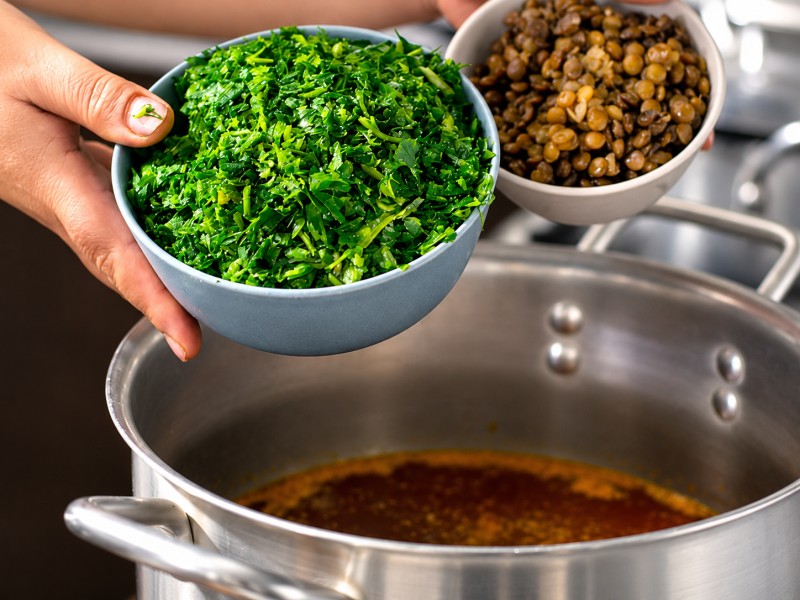
One of the most important cultural contexts for ash is nazri (ood prepared and distributed as part of a religious vow, act of devotion, or charitable tradition).
Ash is particularly well suited to nazri because it can be prepared in large pots and easily shared with dozens or even hundreds of people. Ash Reshteh, Sholeh Ghalamkar, Ash-e-Gandom, and regional dishes such as Ash-e Abbasi are among the varieties that may be prepared for religious gatherings, during Muharram, throughout Ramadan, or as part of individual family vows.
Ramadan is another interesting period for culinary travelers. Across Iran, the evening iftar meal brings families together after sunset, and warm dishes such as ash often have a place on the table.
Traveling during Ramadan therefore provides an opportunity to experience Iranian food within a very particular social rhythm: quieter days followed by lively evenings, family meals, sweets, warm dishes, and late-night gatherings.
Because Ramadan follows the Islamic lunar calendar, its Gregorian dates change every year. Travelers interested in this experience should check the dates for their specific year before planning a trip.
If tasting traditional Persian soups is one of the priorities of your trip, late autumn and winter are arguably the most rewarding seasons.
Cold weather naturally brings dishes such as Tarkhineh Soup back to home kitchens and traditional eateries. This is particularly noticeable in colder western and northwestern regions, where thick soups made with grains, legumes, dairy products, and local herbs are closely connected with the climate.
For a food-focused journey, November through February is therefore an excellent window for exploring these dishes. A winter itinerary through cities such as Ardabil, Tabriz, Kermanshah, and Tehran can reveal very different interpretations of Iran’s cold-weather cuisine.
Some varieties of ash are also connected with particular seasons and celebrations.
Yalda Night, Iran’s winter-solstice celebration, takes place around December 20–21 each year and is traditionally spent with family and friends. Pomegranate-based dishes and other winter foods naturally fit the atmosphere of this season, making late December an especially interesting time for travelers curious about Persian food traditions.
At the other end of winter, Chaharshanbe Suri is celebrated on the eve of the final Wednesday before Nowruz. In some families, Ash Reshteh is among the foods connected with this period and with the idea of beginning a new stage in life.
Travelers visiting Iran in March, particularly in the weeks surrounding Nowruz, therefore encounter a completely different food landscape; one shaped by spring, renewal, family visits, and some of the country’s most important cultural traditions. Nowruz itself is tied to the spring equinox, generally around March 20.
|
Travel Period |
What Food Travelers Can Experience |
| November–February | The strongest season for hearty traditional ash, especially in colder western and northwestern Iran |
| Around Yalda – late December | Winter food traditions, family gatherings, seasonal ingredients and dishes associated with Iran’s longest night |
| Ramadan – dates vary annually | Iftar culture, nazri dishes, traditional soups, sweets and lively evening food traditions |
| March & the Nowruz season | Spring traditions, Chaharshanbe Suri, family celebrations and foods connected with renewal and the Persian New Year |
| Autumn | An excellent period for discovering Tarkhineh and other foods connected with harvest, fermentation and winter preparation |
For travelers who want to make food a central part of their journey, there is no single “best” time to visit Iran. Winter offers the richest experience of traditional ash, while Ramadan and the weeks surrounding Nowruz allow visitors to see how food becomes part of ritual, hospitality, and collective celebration.
Traditional Persian soups are more than comforting dishes; they are a reflection of Iran’s geography, seasons, local ingredients, and social traditions. From the herb-rich bowls of Ash Reshteh to the tangy character of Ash Doogh and the rustic grain-based flavors of Tarkhineh and Yarma Ash, each recipe offers a different glimpse into the country’s culinary identity.
For travelers, trying these dishes can be one of the most rewarding ways to experience Iranian food culture beyond the familiar restaurant menu. Some are connected to particular regions, others to family gatherings or seasonal traditions, but all of them reveal how deeply food is woven into everyday life in Iran.
As you travel through the country, pay attention to the local versions you encounter. The same ash may taste completely different from one city to another, shaped by local herbs, dairy products, grains, and family recipes passed down through generations.
At FlySepehran Blog, we believe that discovering a destination also means discovering its table. And in Iran, a warm bowl of ash can be one of the most authentic tips to visiting Iran.