






Winter does not have to mean staying indoors until warmer days return. Snow-covered mountains, frozen lakes and winter resorts offer a wide range of activities for travelers who enjoy movement, adventure and new experiences.
Winter sports include everything from beginner-friendly activities such as sledding and recreational ice skating to demanding sports such as ice climbing and snow kayaking. Some take place on snow, others on ice, and several are recognized competitive disciplines at international events.
For travelers from warmer regions, trying a winter sport can become one of the most memorable parts of a cold-season holiday. The key is to choose an activity that matches your experience, fitness level and comfort with speed or height.
This guide of Sepehran Blog introduces some of the most popular winter sports, explains how they work and helps you choose a suitable activity for your next winter trip.
Winter sports are physical activities performed mainly on snow or ice. Some began as practical methods of transportation in cold regions before developing into recreational or competitive sports.
Today, winter sports range from skiing, snowboarding and ice skating to team games such as ice hockey and curling. Many of these activities can be enjoyed recreationally, while others require professional instruction, specialist equipment and controlled facilities.
The official Winter Olympic program includes recognized disciplines such as Alpine skiing, cross-country skiing, snowboarding, curling, figure skating and ice hockey. Other activities, including snow biking, air boarding and skijoring, are mostly practiced as recreational or regional winter sports.
| Winter Sport | Main Surface | Typical Difficulty | Suitable for Beginners |
|---|---|---|---|
| Alpine Skiing | Snowy slopes | Medium to advanced | With instruction |
| Cross-Country Skiing | Flat and rolling snow trails | Easy to medium | Yes |
| Snowboarding | Snowy slopes | Medium | With instruction |
| Snow Biking | Snow trails | Medium | Yes, on easy routes |
| Sledding | Snowy hills | Easy | Yes |
| Air boarding | Snowy slopes | Medium | With supervision |
| Skijoring | Snow or ice | Advanced | Usually no |
| Ice Skating | Ice rink | Easy to medium | Yes |
| Ice Hockey | Ice rink | Medium to advanced | With training |
| Curling | Ice rink | Easy to understand | Yes |
| Ice Climbing | Frozen walls or waterfalls | Advanced | Only with a guide |
| Snow Kayaking | Snowy slopes | Advanced | Usually no |
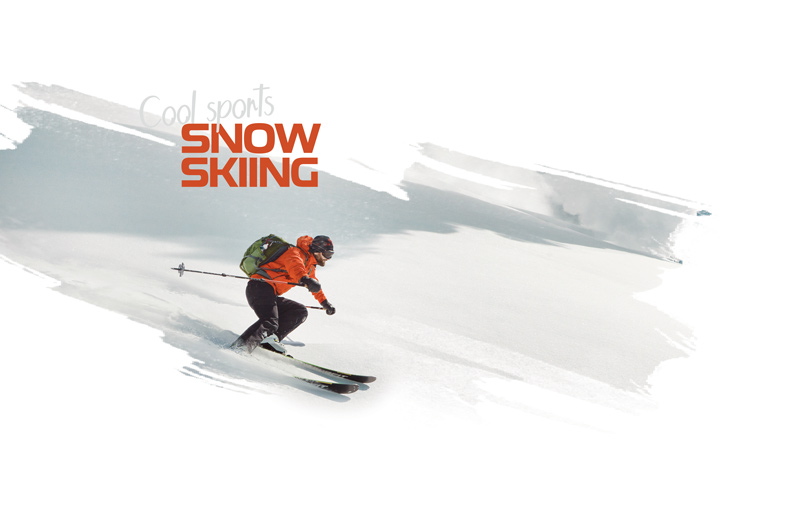
Alpine skiing is one of the best-known winter sports. Skiers travel downhill on marked snow-covered slopes using two skis, poles and specialized boots.
Ski resorts usually classify their slopes by difficulty, allowing beginners to practice on gentle runs before moving to steeper terrain. Turning, controlling speed and stopping safely are the first skills taught in beginner lessons.
Alpine skiing is suitable for travelers who enjoy speed, mountain scenery and structured resort facilities. Beginners should always start with a qualified instructor rather than attempting a steep slope independently.
Cross-country skiing takes place on flatter or gently rolling terrain instead of steep downhill slopes. The skier moves forward using a combination of leg movement and poles.
Because it involves continuous movement, cross-country skiing can be physically demanding, but its slower pace makes it more approachable for many beginners. It is also a good way to explore snowy forests, valleys and open landscapes.
Unlike Alpine ski bindings, cross-country bindings leave the heel free, allowing the skier to move naturally across the snow.
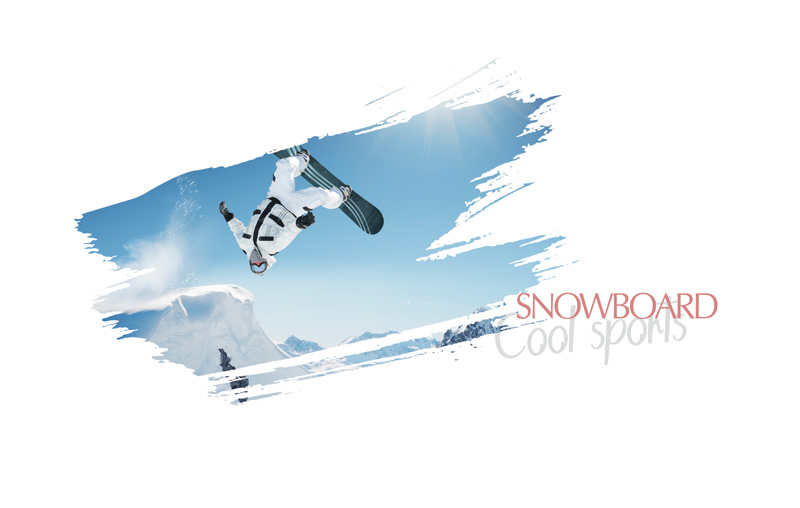
Snowboarding involves descending a snowy slope while standing sideways on a single board attached to both feet.
The sport combines balance, edge control and body movement. Although the first few lessons can involve frequent falls, many beginners learn basic turns after receiving proper instruction.
Snowboarding is popular among travelers who enjoy freestyle movement and modern snow-park culture. Helmets and wrist protection are especially important for beginners.
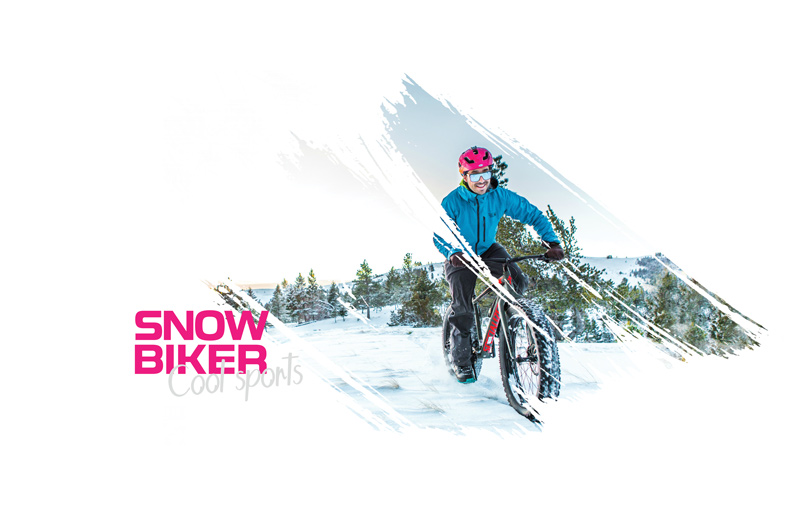
Snow biking usually refers to riding a fat-tire bicycle on packed snow trails. The extra-wide tires provide better grip and prevent the bicycle from sinking deeply into soft snow.
It can be enjoyed on relatively flat trails, forest routes and designated winter cycling areas. Snow biking is usually easier for people who already feel confident riding a mountain bike.
Riders should avoid ordinary ski slopes unless the resort specifically allows bicycles, as mixing bicycles and skiers can be dangerous.
Sledding is among the simplest and most accessible winter activities. Participants sit or lie on a sled and travel down a gentle snow-covered hill.
Many ski resorts provide designated sledding areas separated from ski runs. This makes the activity suitable for families and travelers who want a winter experience without learning a technical sport.
Even on easy slopes, riders should wear warm waterproof clothing and choose a route without trees, rocks, vehicles or pedestrians.
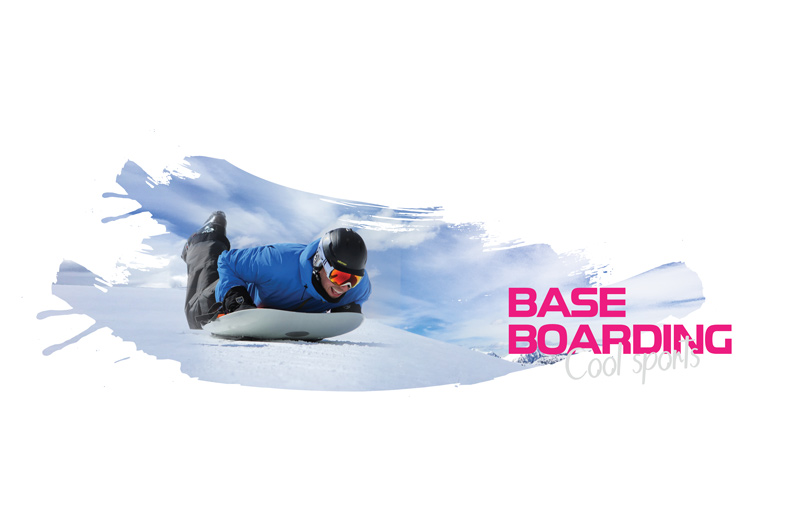
Air-boarding involves traveling downhill while lying face down on an inflatable sled. Riders steer by shifting their body weight and using the handles fitted to the board.
The activity is faster and more physically demanding than ordinary sledding. It should be practiced only on designated slopes, with a helmet and under the supervision of trained staff.
Air-boarding should not be confused with snowboarding, as the rider lies on the board instead of standing on it.
Skijoring is a winter sport in which a person wearing skis is pulled across snow or ice by a dog, horse or, in some versions, a motor vehicle.
The skier must remain balanced while responding to the speed and direction of the animal or vehicle. For this reason, skijoring requires good skiing ability, specialist training and careful coordination.
It is not usually recommended as a first winter sport, but watching a skijoring event can be an unusual and exciting travel experience.
Ice skating is one of the most accessible ice sports and can be practiced indoors or outdoors.
Beginners first learn how to balance, glide, turn and stop. Recreational skating is different from figure skating, which includes technical jumps, spins, footwork and choreographed performances.
Indoor ice rinks are generally the safest choice for beginners. Natural frozen lakes should only be used when local authorities have officially confirmed that the ice is safe.
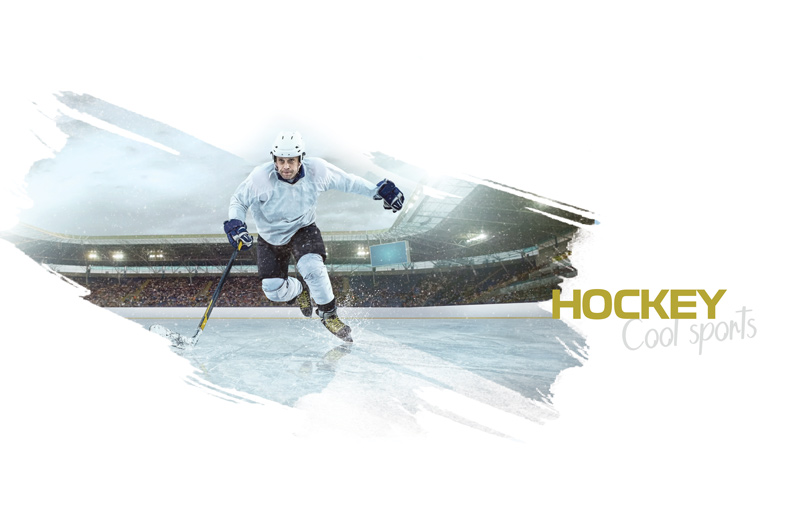
Ice hockey is a fast team sport played on an ice rink. Two teams use sticks to direct a puck into the opposing goal.
Players need skating skills, quick reactions, coordination and protective equipment. Because the sport involves speed and physical contact, formal instruction is essential.
Travelers who are not ready to play can still enjoy attending an ice hockey match, particularly in countries where the sport has a strong winter culture.
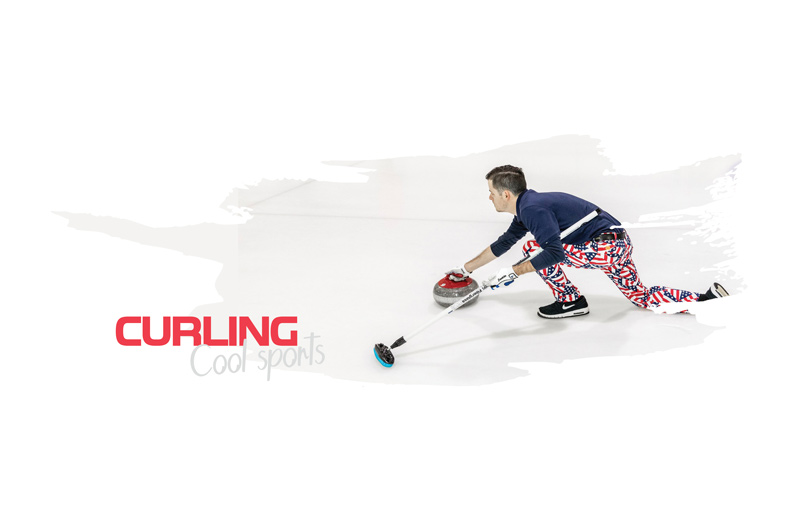
Curling is a strategic team sport in which players slide polished stones across the ice toward a circular target.
Team members use special brushes to influence the stone’s speed and direction by sweeping the ice in front of it. The sport requires accuracy, communication and tactical decision-making rather than high speed.
Curling can be more approachable than many other ice sports, and some ice centers offer introductory sessions for visitors.
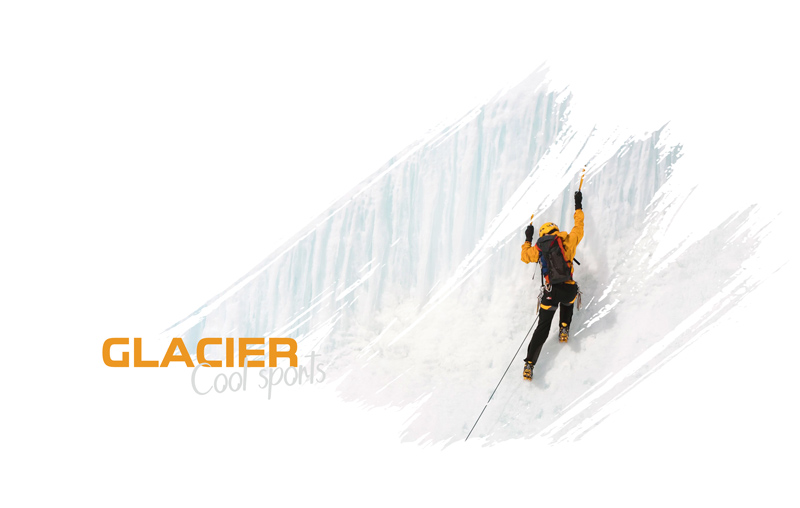
Ice climbing involves ascending frozen waterfalls, ice-covered rock faces or specially constructed climbing walls.
Climbers use specialized boots, crampons, ice axes, ropes, helmets and protective equipment. Competitive ice climbing may also take place on artificial structures designed to provide standardized routes.
This is an advanced activity with serious risks. It should never be attempted without professional instruction, proper equipment and an experienced guide.
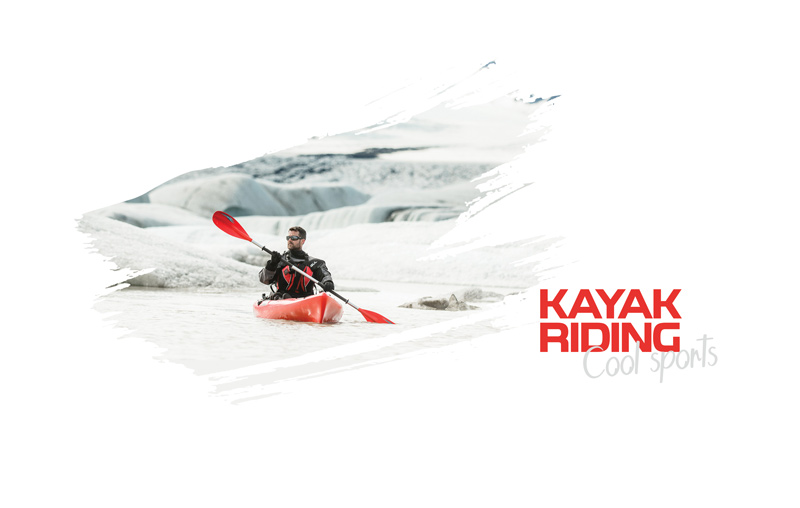
Snow kayaking uses a kayak to descend a snowy slope rather than travel through water. The participant sits inside the kayak and may use a paddle to help control direction and balance.
This activity is very different from kayaking in cold rivers. It is generally practiced on prepared snow courses and can reach considerable speeds.
Snow kayaking is an adventure activity rather than a beginner-friendly winter pastime. Helmets, safety equipment and an organized venue are essential.
Travelers trying winter sports for the first time should begin with activities that offer controlled speed and easy access to instruction.
Good beginner options include:
Ice climbing, skijoring, airboarding and snow kayaking require more experience or supervision and should not be treated as casual activities.
Before selecting an activity, consider the following points:
Cross-country skiing requires endurance, while Alpine skiing and snowboarding place more pressure on the legs and joints. Choose an activity that matches your physical condition.
Beginners should favor sports with lessons, marked routes and rental equipment. Avoid entering advanced slopes simply because they appear exciting.
Sledding and recreational skating may feel manageable for cautious travelers. Downhill skiing, air-boarding and snow kayaking involve greater speed, while ice climbing also involves height.
Not every winter destination offers every sport. Check whether the resort provides lessons, rental equipment, beginner areas, medical support and safe transport.
Strong wind, poor visibility, unstable snow and thin ice can make an otherwise safe activity dangerous. Follow resort instructions and local weather warnings.
The correct clothing helps you stay warm without restricting movement.
A basic winter sports outfit usually includes:
Avoid wearing cotton as your main base layer because it absorbs moisture and can remain cold against the skin.
Specialist equipment such as skis, snowboards, crampons and ice axes should be rented or purchased only after receiving guidance from a qualified instructor.

Winter landscapes are beautiful, but cold temperatures, speed and changing conditions create additional risks.
Follow these essential precautions:
A winter sports holiday does not need to focus entirely on challenging activities. Many destinations allow travelers to combine skiing or skating with cable-car rides, snow walks, local food, mountain villages and scenic photography.
Families may prefer resorts with sledding parks and beginner slopes, while experienced travelers may look for advanced ski runs, climbing routes or guided expeditions.
Booking lessons and equipment in advance can save time, especially during weekends, holidays and peak winter travel periods.
Winter sports offer much more than speed and competition. They provide an opportunity to experience snowy landscapes, learn new skills and enjoy the colder months in an active way.
Beginners can start with ice skating, sledding or an introductory ski lesson, while experienced travelers can explore more demanding activities such as ice climbing or snow kayaking.
Whatever activity you choose, proper equipment, professional guidance and respect for weather conditions are essential for a safe and enjoyable winter experience.
Olympics – Official Winter Olympic Sports List
International Ski and Snowboard Federation (FIS)
International Skating Union (ISU)
International Ice Hockey Federation – Rules and Guidelines
World Curling – What Is Curling?
UIAA – Competition Ice Climbing
National Ski Areas Association – Your Responsibility Code
Recreational ice skating, sledding, beginner cross-country skiing and introductory curling are among the most accessible winter sports. Skiing and snowboarding can also be suitable for beginners when lessons are provided by a qualified instructor.
Yes, lessons are strongly recommended. An instructor can teach you how to control your speed, turn, stop and use ski lifts safely. Proper instruction also reduces the risk of injury and helps you develop the correct technique.
Skiers use two separate skis and usually hold poles, while snowboarders stand sideways on a single board attached to both feet. Each sport requires a different balance, turning technique and learning process.
Many winter sports are suitable for children when the activity, equipment and instruction match their age and ability. Family ski areas, sledding parks and supervised ice rinks are usually good places to begin.
Ice climbing, cross-country skiing, competitive ice hockey, snow kayaking and advanced downhill skiing are among the most physically demanding winter sports. These activities may require considerable strength, endurance and technical skill.
You should only skate on a frozen lake when local authorities or trained professionals have officially confirmed that the ice is safe. Ice thickness can vary across different parts of the same lake.
Wear breathable layers, including a moisture-wicking base layer, an insulating middle layer and a waterproof outer layer. Warm socks, waterproof gloves, goggles and activity-specific protective equipment are also important.
Most established ski resorts and ice centers offer equipment rental services. During busy periods, booking equipment in advance is recommended. Equipment should also be correctly adjusted by trained staff before use.