


وبلاگ سپهران | Food Culture | Najaf Most Popular Dishes: Traditional Foods to Try
Have you ever thought about the unique and delicious foods that are served in the city of Najaf? Did you know that the cuisine of Najaf is one of the most popular local foods in Iraq? Najaf, with its delicious and unique dishes, is an attractive destination for food enthusiasts and anyone interested in exploring Iraq’s rich food culture.
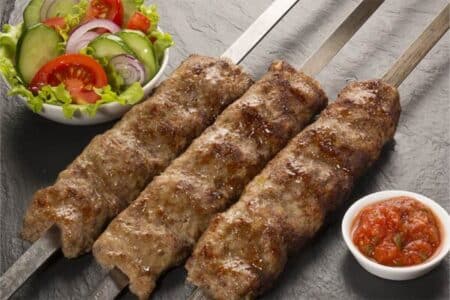
Imagine walking through the bustling streets of Najaf and being drawn in by the delightful smell of Iraqi Kebab and Najafi Qeema. The local people prepare their traditional foods with special care, and during special occasions like Arbaeen, the foods of Najaf reach the peak of their diversity and flavor. Statistics show that thousands of pilgrims travel to Najaf each year to enjoy the local cuisine in addition to performing religious rites. In this article from the Sepehran Blog, we intend to introduce Najaf most popular dishes so that you can discover the city’s unique flavors and try the best local dishes on your next trip to Najaf.

Najaf’s culinary history is rooted in centuries-old traditions shaped by geography, religion, and cultural exchange. Due to its location in Iraq and its connection to important trade and pilgrimage routes, Najaf has developed a rich and diverse food culture influenced by Arab, Iranian, and regional culinary traditions.
The cuisine of Najaf reflects the city’s historical role as a religious and cultural center. Over time, pilgrims, merchants, and local communities have contributed to the variety of dishes served in the city. This cultural exchange has helped shape many of Najaf’s traditional foods, from hearty meat-based meals to dishes prepared for religious gatherings and special occasions.
Several factors have influenced Najaf’s local cuisine, including its geographic environment, access to regional ingredients, cultural exchanges with neighboring countries, and the importance of religious occasions such as Arbaeen. During these events, traditional foods are often prepared with great care and shared with pilgrims and visitors.
Najafi cooks use local ingredients, spices, rice, meat, dates, and traditional recipes to prepare dishes that reflect the city’s identity. These flavors make Najaf an important destination for travelers who want to discover Najaf most popular dishes and experience the authentic taste of Iraqi cuisine.


Qeema Najafi is one of the most famous and popular dishes of Najaf. This dish is usually prepared for religious and special occasions, especially in the months of Muharram and Safar, and is distributed among the people as a votive offering (Nazri) food. Qeema Najafi is made from meat, lentils and chickpeas, onions, and special spices, and is served with rice. Due to the amazing taste of this dish and its serving as a local food during special occasions, this dish has become a culinary symbol of Najaf.


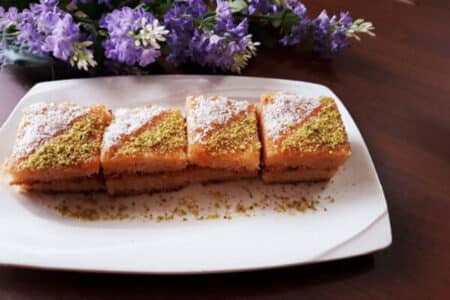
Najaf’s Daheen Halwa A special snack during religious occasions and special events that is prepared for and distributed among pilgrims. This halwa is one of the delicious and nourishing sweets, which is made with simple and readily available ingredients and has a unique taste that can be used as a complete meal. The main ingredients of Daheen Halwa are a combination of flour, full-fat milk, oil, date syrup, sugar, and cardamom powder, each of which plays an important role in creating the unique taste and texture of this sweet.

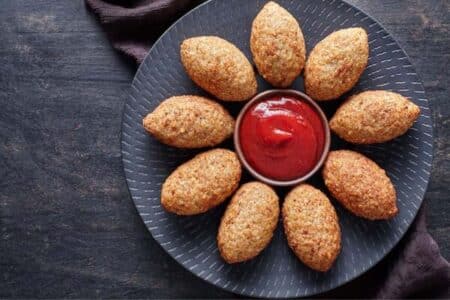
Another famous and very popular dish of Najaf is the Arabic Kibbeh. Arabic Kibbeh has two different types: rice kibbeh and bulgur kibbeh. Due to their unique flavors and aromas, they are highly popular among the local people and pilgrims. For preparing Arabic Kibbeh, using fresh meat is very important, as it has a significant impact on the taste of the dish. The main ingredients of Arabic Kibbeh include rice or wheat bulgur, minced meat, aromatic herbs, potatoes, onions, oil, and Arabic spices. Arabic Kibbeh is popular in Najaf, and this dish is prepared and served in various ways in many Arab countries. This diversity and commonalities indicate the deep connection and cultural solidarity between the cuisines of Najaf and other Arab cuisines.
Najaf has a rich and diverse food culture, with many restaurants and eateries offering a variety of local Iraqi dishes, grilled meals, traditional sweets, and casual dining options for travelers. Visitors can explore both traditional restaurants and modern cafés across the city to experience Najaf’s local flavors and enjoy authentic dishes during their trip. For a better dining experience, it is helpful to know where to eat before visiting the city. You can also check our guide to restaurants in Najaf to discover more dining options and choose the best place for your meal.
Najaf’s cuisine plays an important role in the city’s religious and cultural events. Traditional dishes are not only part of daily life in Najaf, but also a meaningful part of gatherings, ceremonies, and special occasions. These foods reflect the culture, identity, and hospitality of the people of Najaf.
During Arbaeen, one of the most important religious events in the city, food receives special attention. Meals are prepared and distributed free of charge among pilgrims in tents and Husseiniyas as a sign of generosity and service. Qeema Najafi is one of the main dishes often served during this occasion. Made with meat, chickpeas, and aromatic spices, this hearty dish is both nourishing and symbolic, showing the strong connection between Najaf’s food culture and its religious traditions.
For travelers, experiencing these dishes during religious events offers more than just a local dining experience. It is a way to understand Najaf’s cultural identity and see how food brings people together during some of the city’s most meaningful occasions.